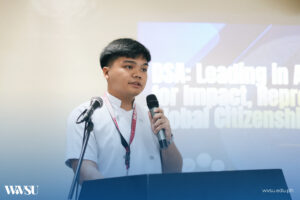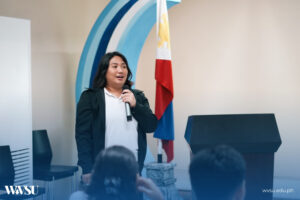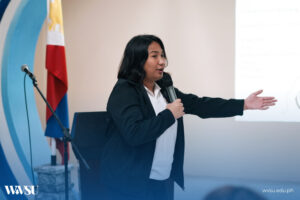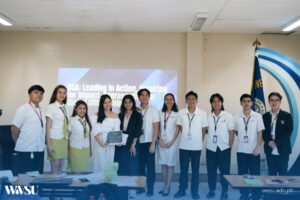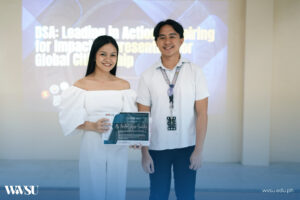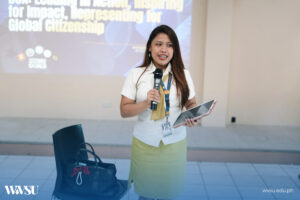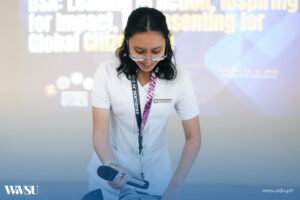
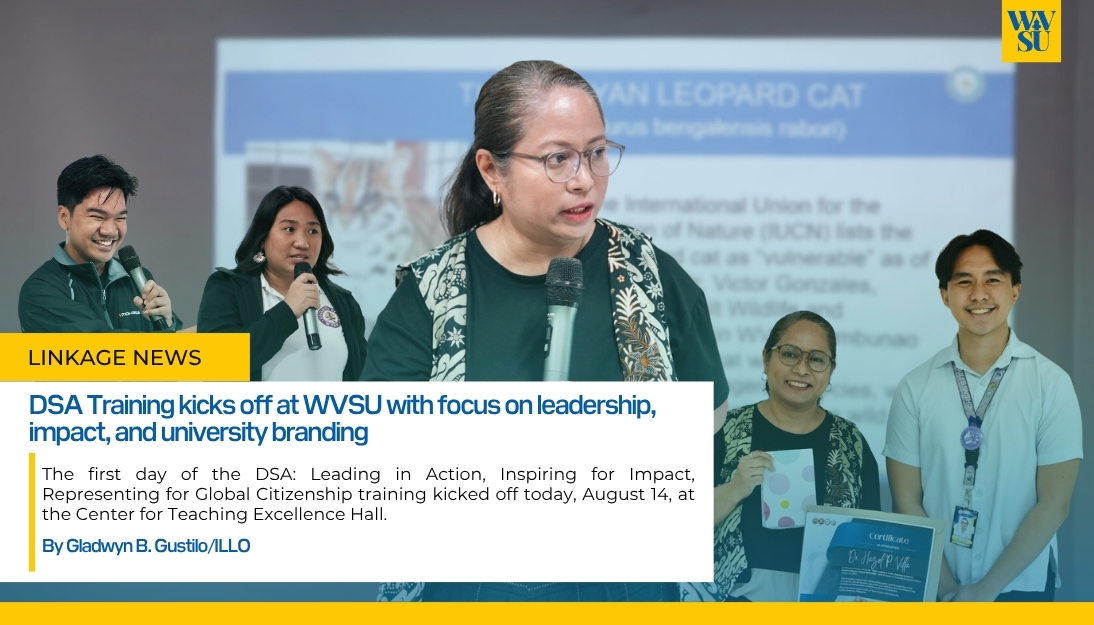

The first day of the DSA: Leading in Action, Inspiring for Impact, Representing for Global Citizenship training kicked off today, August 14, at the Center for Teaching Excellence Hall.
Organized by the West Visayas State University (WVSU) International and Local Linkages Office (ILLO), the program brought together DagYoung Student Ambassadors (DSA) from various colleges of the university for a series of sessions designed to prepare them as WVSU’s internationalization arm.
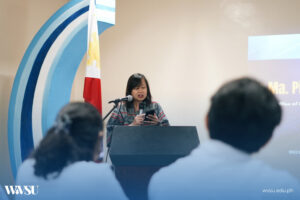
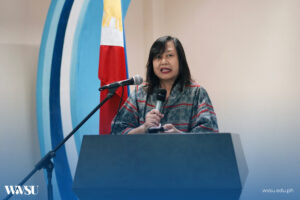
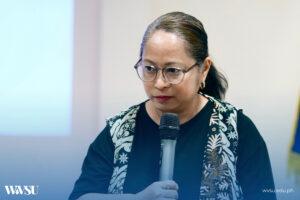
The event opened with remarks from Dr. Ma. Pilar Malata, Dean of the Office of Student Affairs, who underscored the importance of leadership, representation, and the ambassadors’ role in carrying the WVSU identity to national and global platforms.
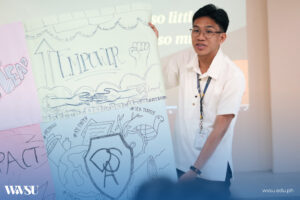
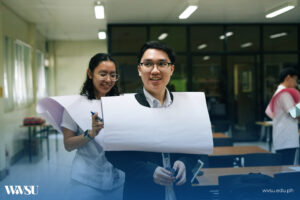
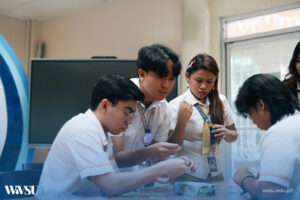
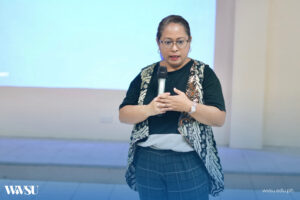
The first session, “Getting to Know,” was led by Ms. Mariter Sajise Guatche, Guidance Counselor III from WVSU Pototan Campus. Through activities such as the Poncho Exercise, which encouraged participants to express appreciation for each other, and the Jigsaw Puzzle Challenge, which tested teamwork in both verbal and non-verbal settings, participants were challenged to build unity, foster collaboration, and strengthen communication skills.
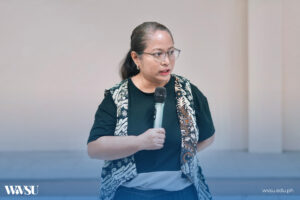
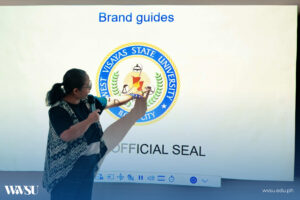
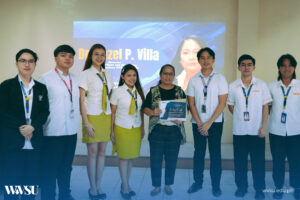
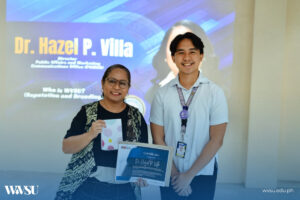
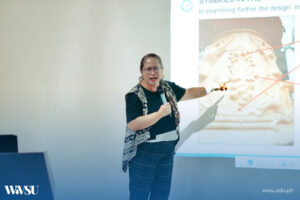
Dr. Hazel Villa, Director of the Public Affairs and Marketing Communications Office (PAMCO), discussed WVSU’s symbols and brand guidelines, emphasizing the importance of understanding and representing the university’s identity. She highlighted the amphora as a university emblem and introduced the newly trademarked “West Marals” logo, which was officially registered with the Intellectual Property Office of the Philippines on May 1.
Dr. Villa stressed that this visual identity is not merely a design but a unifying representation of WVSU’s values, mission, and pride, which ambassadors must embody and promote as the university’s arm in internationalization.
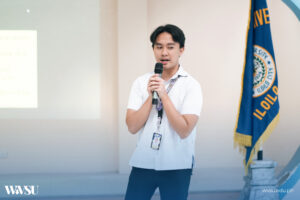
Prof. Edel Carmela Subong-Csoka, ILLO Director, delivered a session on ASEAN and the role of DagYoung Student Ambassadors in advancing the university’s internationalization initiatives.
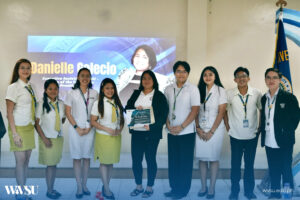
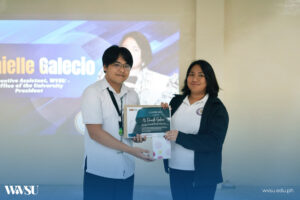
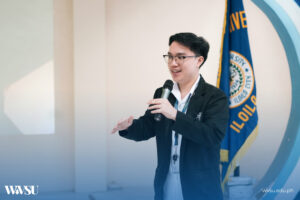
The day concluded with Ms. Danielle Galecio, who introduced topics such as basic diplomatic protocol, events and conference management, social functions, and the duties of a protocol officer. She emphasized the need for ambassadors to possess both foundational knowledge and practical skills to observe protocol, manage formal ceremonies, and represent the university in high-level engagements with professionalism and cultural sensitivity.
This marks the first day of the training program, which seeks to mobilize WVSU’s student ambassadors as leaders, cultural bridges, and proud bearers of the university brand in national and international arenas.
By Gladwyn B. Gustilo/ILLO