WVSU

Tag: 14

CONSERVE AND SUSTAINABLY USE THE OCEANS, SEAS AND MARINE RESOURCES FOR SUSTAINABLE DEVELOPMENT.

Healthy oceans and seas are essential to our existence.They cover 70 percent of our planet and we rely on them for food, energy and water. Yet, we have managed to do tremendous damage to these precious resources. We must protect them by eliminating pollution and overfishing and immediately start to responsibly manage and protect all marine life around the world.

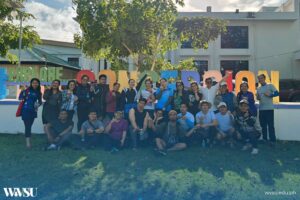
  • A Call to Action: Sanctuarium Maris’ first seminar-training mobilizes community for sea turtle protection

    A Call to Action: Sanctuarium Maris’ first seminar-training mobilizes community for sea turtle protection

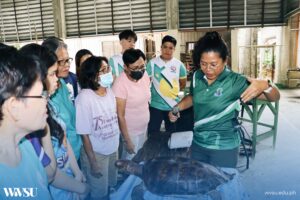
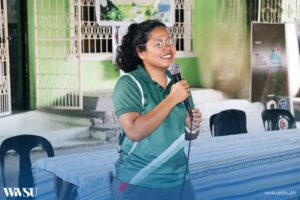
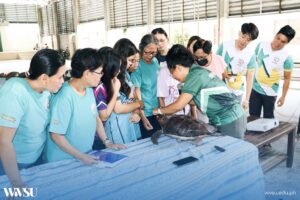
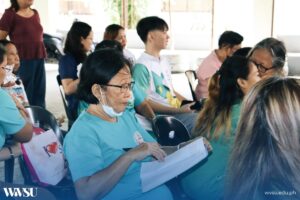
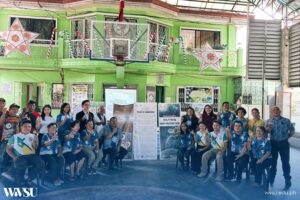
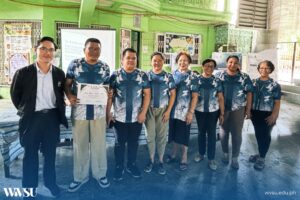
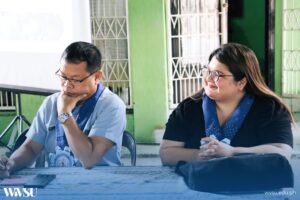
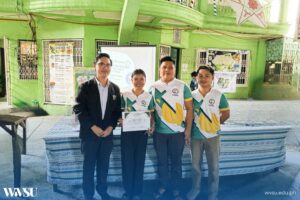
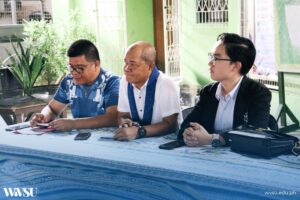
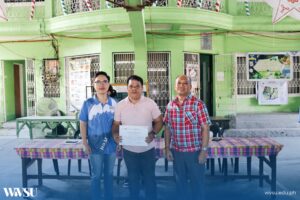
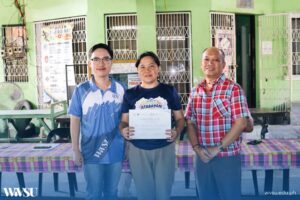
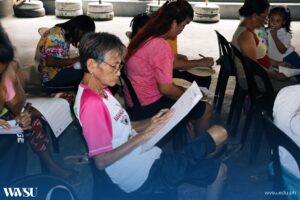
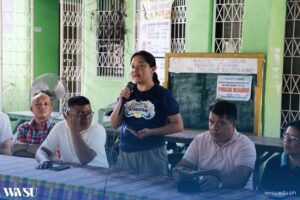
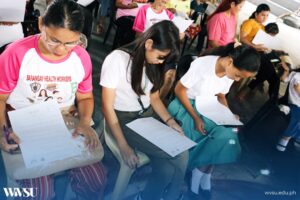
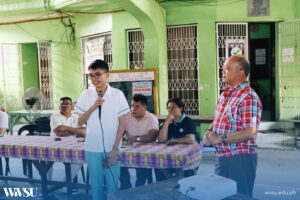
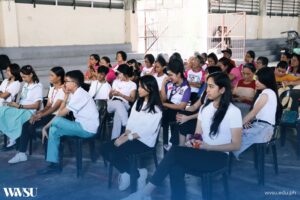
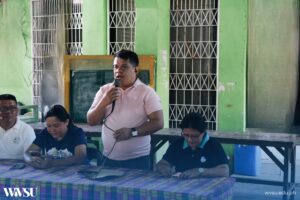
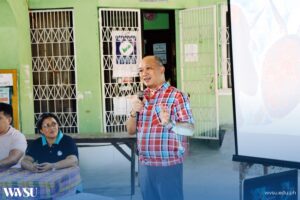
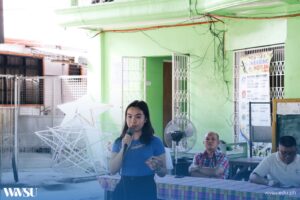
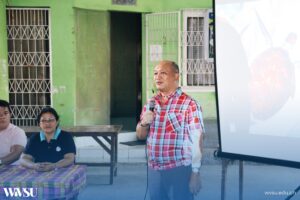
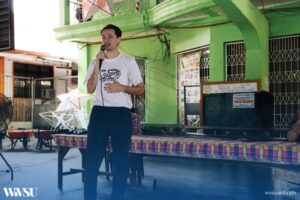
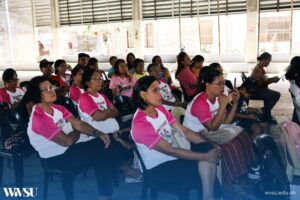
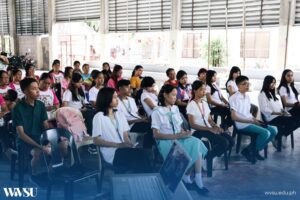
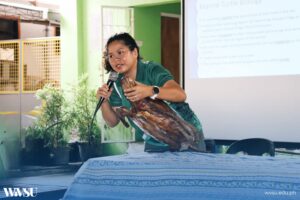
    In a powerful demonstration of community collaboration and environmental commitment, the West Visayas State University (WVSU) DagYoung Student Ambassadors, in partnership with the Positive Youth Development Network (PYDN), Department of Environment and Natural Resources (DENR), Federated Student Council (FSC), and the Development Communicators’ Society, held the first seminar-training of the Sanctuarium Maris: Sea Turtle Nest Protection Project on February 15, 2025, in Barangay Atabayan, Tigbauan, Iloilo.

    Funded by the Embassy of France to the Philippines and Micronesia, the project highlights WVSU’s strong dedication to sustainability, conservation, and volunteerism. The DagYoung Student Ambassadors, under the International and Local Linkages Office (ILLO) of WVSU, spearheaded the initiative, showcasing the power of student leadership in driving positive change that benefits both the environment and the local community.

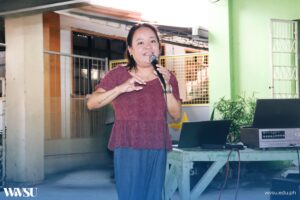
    The seminar-training session was opened by Ms. Edel Carmela Subong-Csoka, Director of the WVSU International and Local Linkages Office, who highlighted the importance of education and collaboration in environmental action.

    “The conceptualization of the Sanctuarium Maris is a product of collaborative concern and efforts that we would like to put into practice, serving as the beginning of something that will continue through generations,” she said.

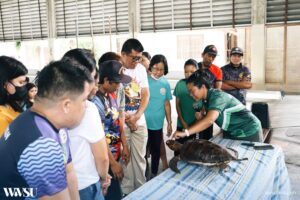
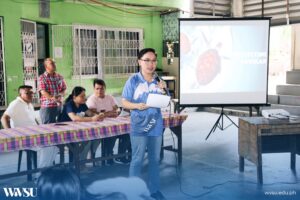
    Cyndy Sol G. Rodrigo, Ecosystem Management Specialist II and Regional Alternate Youth Desk Officer of DENR VI, delivered an insightful talk on protecting water and forests to save sea turtles. She also addressed the importance of ensuring compliance with laws and policies related to sea turtle and nest conservation.

    Rodrigo also shared best practices for implementing conservation efforts, including the effective management of marine protected areas, community-based monitoring systems, and the importance of educating local populations on how to properly handle sea turtle nests to ensure their safety.

    Her session underscored the necessity of strong governance and community action in securing the future of sea turtles, reinforcing that environmental protection goes hand-in-hand with the legal framework necessary to enforce conservation measures.

    Jessie L. Reyes, Communication Development Officer II and Regional Designate Youth Desk Officer, summarized the session’s key insights and reflections, while Johnric G. Vargas, Special Projects Coordinator, offered reminders and closing remarks.

    Barangay Atabayan, one of the Philippines’ key nesting sites for the endangered Olive Ridley Sea turtles, faces significant challenges to turtle conservation. These turtles, listed as vulnerable by the International Union for Conservation of Nature (IUCN), are at risk due to human activities such as fishing. Between 2001 and 2011, more than 100 turtles were reported stranded, many suffering from injuries. In 2020 alone, 11 turtles were rescued, underscoring the urgent need for conservation efforts in the region.

    As sea turtles continue to nest along the shores of Atabayan, the project will stand as a testament to the power of community collaboration in driving meaningful environmental change. With the joint efforts of WVSU, local government units, and the residents of Atabayan, the Sanctuarium Maris project aspires to leave a lasting legacy of sea turtle preservation and habitat conservation for future generations.

    By Gladwyn B. Gustilo/ILLO
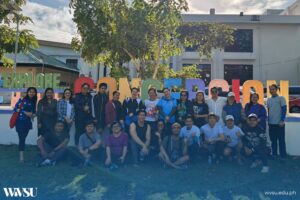
  • Sanctuarium Maris Project launched in Tigbauan: A bold new step in Sea Turtle Nest Protection

    Sanctuarium Maris Project launched in Tigbauan: A bold new step in Sea Turtle Nest Protection

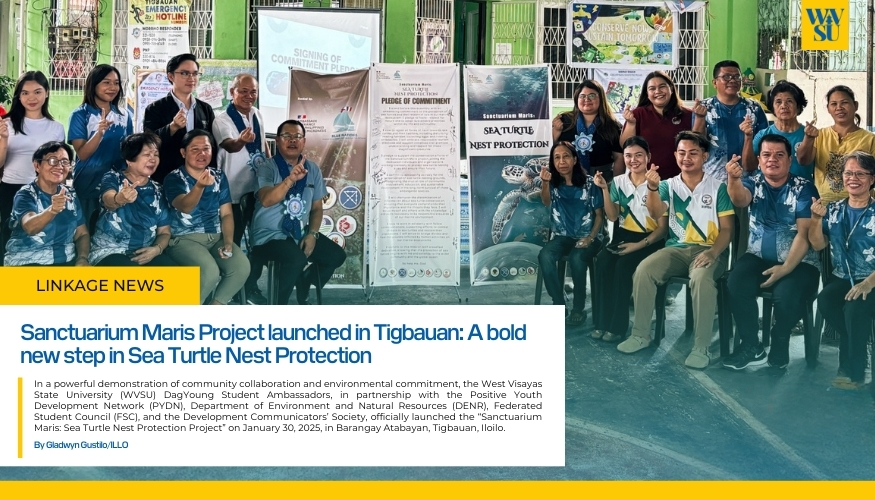
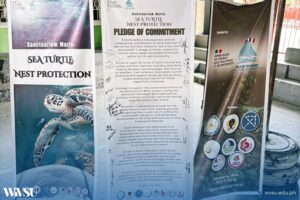
    In a powerful demonstration of community collaboration and environmental commitment, the West Visayas State University (WVSU) DagYoung Student Ambassadors, in partnership with the Positive Youth Development Network (PYDN), Department of Environment and Natural Resources (DENR), Federated Student Council (FSC), and the Development Communicators’ Society, officially launched the “Sanctuarium Maris: Sea Turtle Nest Protection Project” on January 30, 2025, in Barangay Atabayan, Tigbauan, Iloilo.

    The project, funded by the Embassy of France to the Philippines and Micronesia, highlights the university’s commitment to sustainability and volunteerism. As the internationalization arm of WVSU International and Local Linkages Office (ILLO), the DagYoung Student Ambassadors spearheaded the project, demonstrating the power of student leadership in fostering positive change for both local communities and the environment.

    A Vital Nesting Ground for Olive Ridley Turtles

    Barangay Atabayan is one of the key nesting sites for olive ridley turtles in the Philippines, yet it faces several challenges. These turtles, classified as vulnerable by the International Union for Conservation of Nature (IUCN), are often injured or stranded due to human activities like fishing. Between 2001 and 2011, over 100 turtles were reported stranded, many with injuries. In 2020 alone, 11 turtles were rescued, underscoring the urgency of conservation efforts.

    The Sanctuarium Maris project was conceived to address these challenges by not only protecting the turtles but also empowering the community of Atabayan to become active stewards of their natural resources.

    A ceremony of Commitment

    The ceremony was opened by Prof. Joesyl Marie Aranas, Division Chair, BS Development Communication of WVSU, who read the message from Ms. Edel Carmela Subong-Csoka, Director of the WVSU International and Local Linkages Office. In her message Ms. Edel emphasized the role of education and collaboration in environmental action. “The conceptualization of the Sanctuarium Maris is a product of collaborative concern and efforts that we would like to put into practice and to serve as a beginning of something that will continue in the generations to come”.

    Dr. Ma. Pilar S. Malata, Dean of the Office of Student Affairs, shared words of encouragement, emphasizing the importance of collective effort. “WVSU is proud to be a part of this important project, and we look forward to seeing the positive impact it will have on both the environment and the people of Atabayan,” she said.

    In a message of commitment, Edgardo M. Rostata, Assistant Regional Director of the Department of Environment and Natural Resources (DENR) Region VI, stressed the significance of governmental support in implementing sustainable environmental practices. “The success of Sanctuarium Maris lies in the collaborative efforts of local communities, educational institutions, and government agencies,” Rostata stated. He underscored the importance of public-private partnerships, noting that DENR’s involvement ensures that the project aligns with national environmental goals and standards. As a government agency, DENR provides critical resources, expertise, and oversight, reinforcing the long-term viability of the project.

    Cyresse Ann Achilleos, Strategic Support Unit Head of the Positive Youth Development Network (PYDN), also spoke on the pivotal role youth plays in the project. PYDN’s involvement is instrumental in ensuring that the youth of Barangay Atabayan are equipped with the knowledge and skills necessary to become advocates for sustainable practices.

    Dr. Ricky G. Abaleña, Project Consultant and adviser of Young Journalists’ Society, highlighted the importance of education and advocacy in this initiative. The Young Journalists’ Society plays a key role in documenting and sharing the project’s progress, further spreading awareness about environmental issues in the region.

    Hon. Edison Camiña, the Punong Barangay of Atabayan, highlighted the importance of the community’s active participation in conservation efforts. Camiña acknowledged that local leadership is essential for fostering a culture of environmental awareness and sustainability, expressing gratitude for the support of WVSU and its partners in this shared responsibility.

    The role of WVSU as a leading educational institution was emphasized by Johnric G. Vargas, Board Member of the Federated Student Council. As part of the university’s effort to integrate global and local issues, WVSU’s students are at the heart of the project, spearheading community education and conservation initiatives.

    Amabela Fiona Le B. Benid, a student ambassador and Special Projects head, presented the rationale behind the Sanctuarium Maris project. She outlined the critical role Barangay Atabayan plays as a nesting ground for the olive ridley turtle (Lepidochelys olivacea), a species listed as vulnerable by the International Union for Conservation of Nature (IUCN). She also addressed the challenges posed by high rates of stranded and injured turtles, noting that from 2001 to 2011, over 100 sea turtles were reported stranded in the area. In 2020 alone, 11 turtles were rescued from fish traps and other hazardous situations.

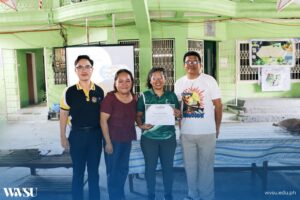
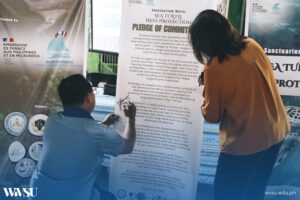
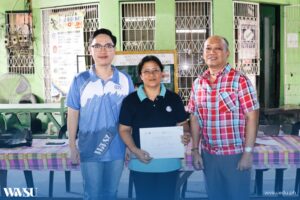
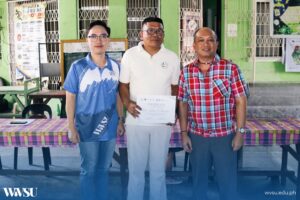
    The ceremony culminated with the signing of a Commitment Pledge and the symbolic ribbon-cutting to officially launch the project.

    A Model for Sustainable Conservation

    The Sanctuarium Maris project is a significant step forward in marine conservation. It offers a model for how universities, local communities, and environmental organizations can work together to protect vulnerable species while also benefiting the people who live alongside them.

    As sea turtles continue to nest along the shores of Atabayan, the project will serve as a testament to the power of community collaboration. With the combined efforts of WVSU, local government units, and residents, the Sanctuarium Maris project aims to create a lasting impact on the preservation of sea turtles and their habitats for generations to come.

    Through the vision of WVSU’s student leaders and the commitment of the Atabayan community, the Sanctuarium Maris project proves that even small, localized efforts can make a global difference in conservation and environmental sustainability.

    Story by Gladwyn Gustilo/ILLO
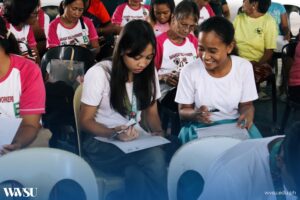
  • Sanctuarium Maris Project inspires action for sea turtle nest preservation

    Sanctuarium Maris Project inspires action for sea turtle nest preservation

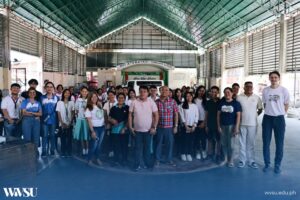
    On December 16, 2024, the DagYoung Student Ambassadors of West Visayas State University (WVSU), in partnership with the Positive Youth Development Network (PYDN), Federated Student Council (FSC), and the Development Communicators’ Society, successfully held the first training-seminar for the Sanctuarium Maris: Sea Turtle Nest Protection Project in Barangay Atabayan, Tigbauan, Iloilo.

    This project, funded by the Embassy of France to the Philippines and Micronesia, is driven by the student ambassadors, a university-recognized internationalization arm of WVSU International and Local Linkages Office, showcases the power of volunteerism, community collaboration, and sustainable environmental stewardship.

    Amabela Fiona Le B. Benid, a DagYoung Student Ambassador, opened the seminar by presenting project’s rationale and the importance of Barangay Atabayan as a nesting ground for olive ridley turtles (Lepidochelys olivacea), a species classified as vulnerable by the International Union for Conservation of Nature (IUCN). She noted that the barangay has served as a frequent nesting ground for sea turtles, while also experiencing high rates of stranded and injured turtles.

    Barangay Captain Hon. Edison T. Camiña followed with a discussion on the “Power of Atabayan Unity for Environmental Projects,” stressing the significance of community collaboration in addressing environmental challenges. Sangguniang Barangay Member Hon. Julius E. Trafalgar underscored the importance of volunteerism, while Hon. Rowena C. Torrechante highlighted the critical roles of women and youth in achieving positive and sustainable change.

    A key segment of the seminar was led by Forester Jojie P. Gereza from the Department of Environment and Natural Resources (DENR) Community Environment and Natural Resources Office (CENRO) in Guimbal. Gereza provided an in-depth discussion on sea turtle biology, conservation protocols, and proper procedures for responding to stranded or injured turtles.

    The forum was facilitated by Dr. Ricky Abaleña III, the project’s Strategies and Communication Consultant, and commenced by DagYoung Student Ambassador Johnric G. Vargas, Special Projects Coordinator. Participants engaged in discussions on community education strategies, nest identification, and the role of local government units in incentivizing conservation initiatives.

    The Sanctuarium Maris project is designed to unfold in phases, starting with community education to enhance awareness about sea turtle conservation. It also aims to empower women and youth to identify, monitor, and protect nesting grounds while fostering a deeper understanding of marine life’s ecological importance. The project further provides opportunities for local government units to support conservation efforts through data-driven incentives.

    Barangay Atabayan has long been recognized as a critical nesting site for sea turtles, with reports of hatchlings emerging on its shores as recently as 2020. However, the community also faces challenges, such as stranded and injured turtles, a trend reflected in multiple sightings over the years. According to local data, from 2001 to 2011, 109 sea turtles were spotted in the area, many of which were wounded. In 2020 alone, 11 turtles were rescued from fish traps or found stranded along the coast.

    Given the community’s reliance on fishing as a primary source of livelihood, the project introduces strategies that merge conservation with practical and economic benefits. By involving women and youth, the Sanctuarium Maris initiative seeks to build a network of “first responders” who are trained to protect sea turtles and ensure their safe return to the ocean.

    The first training-seminar underscores WVSU’s leadership in promoting environmental responsibility and volunteerism. Through this initiative, the university, together with its partner organizations and the Atabayan community, sets a foundation for protecting endangered marine species while inspiring collective action for environmental sustainability.

    With the combined efforts of WVSU’s student organizations, government leaders, and residents, Sanctuarium Maris sets an inspiring example of what leadership and collaboration can achieve. As sea turtles return to Tigbauan’s shores year after year, they will find not only a safe haven but a community dedicated to their protection.

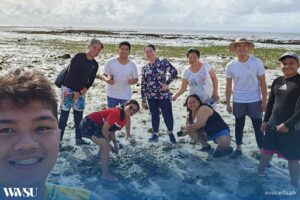
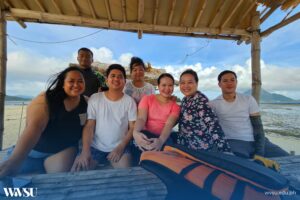
  • From Mangrove Forests, Seagrass Meadows to Coral Reefs: Charting Biodiversity One Quadrat at a time in the Heart of Concepcion’s Coastal Ecosystems

    From Mangrove Forests, Seagrass Meadows to Coral Reefs: Charting Biodiversity One Quadrat at a time in the Heart of Concepcion’s Coastal Ecosystems

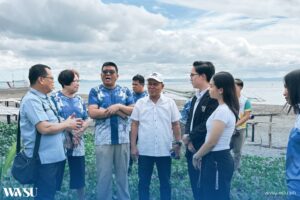
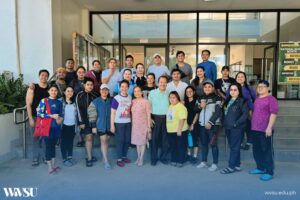
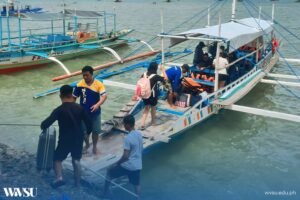
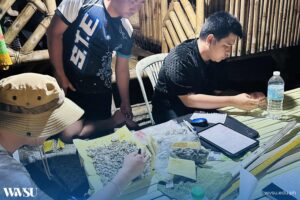
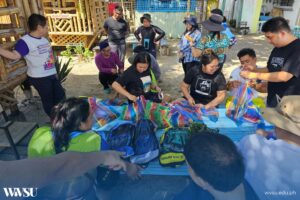
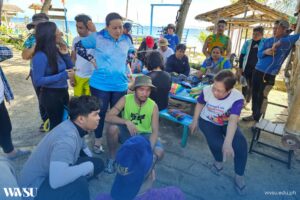
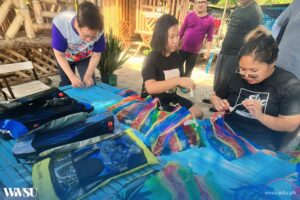
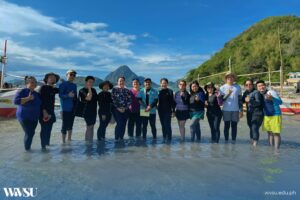
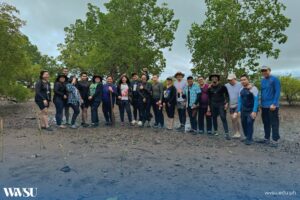
    Ph.D. Science Education major in Biology students from West Visayas State University-La Paz conducted an extensive three-part field study focused on assessing the health and biodiversity of mangrove, seagrass, and coral ecosystems in the Municipality of Concepcion, Iloilo, on Nov. 3-4, 2024. This activity is part of their course, SCI 629: Advanced Marine Ecology, under the guidance of Dr. Josette T. Biyo.

    The first part of the study, titled “Assessment of Mangrove Community Structure in Two Study Areas of Concepcion, Iloilo, Philippines,” aimed to describe and compare the ecological framework of two distinct sites: Brgy. Bacjawan Sur and Sitio Pasil, Brgy. Malangabang coastal areas. The research team collected data on species composition, species density, regeneration rates, ambient parameters, cohabiting organisms, and human impacts in these areas.

    The second part, “Community Structure of the Seagrass Ecosystem in the Intertidal Zones of Concepcion, Iloilo,” explored the ecological characteristics of seagrass beds in the same sites by measuring parameters such as species composition, species density, biomass, presence of epiphytes, and human-induced disturbances.

    Finally, the third part, “Biodiversity Assessment of Coral Reefs Regenerated a Decade After Typhoon Yolanda Destruction at Malangabang, Concepcion, Iloilo, Philippines,” evaluated coral regeneration in terms of hard and soft coral composition, recruitment, percent cover, and the health of the coral reef ecosystem, considering both keystone and harmful species, as well as economically valuable invertebrates.

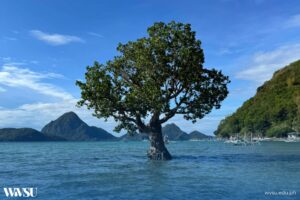
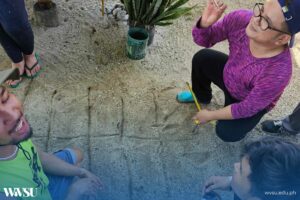
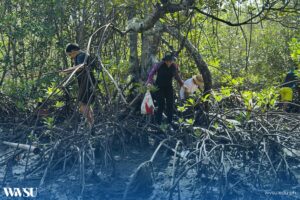
    In the first activity, participants used the quadrat sampling method (10 m x 10 m) in five sampling sites to obtain a representative ecological survey of mangrove biodiversity in the study sites. The findings indicated greater diversity of mangrove species in Sitio Pasil, Brgy. Malangabang, an island setting, compared to Brgy. Bacjawan Sur on the mainland. Prominent species included Rhizophora apiculata, Avicennia marina, and Sonneratia alba. Other notable organisms observed in the mangrove area included periwinkle snails, hermit crabs, fire ants, egrets, and ruddy turnstones. The contrast in species density and regeneration between the two sites provides insights into the differing ecological pressures and conditions on the island versus the mainland, informing conservation strategies for each habitat.

    In the second activity, researchers employed the random core sampling technique with a total of 25 replicates to assess seagrass ecosystems. The results revealed that Brgy. Malangabang had richer seagrass biodiversity, with species such as Enhalus acoroides, Halodule uninervis, and Halophila ovalis thriving in the intertidal zones, while only Enhalus acoroides was present in Brgy. Bacjawan Sur. The significant variation in species composition and density between the two sites emphasizes the need for localized management efforts that account for site-specific ecological dynamics, especially given the environmental pressures that can impact the resilience of these vital ecosystems.

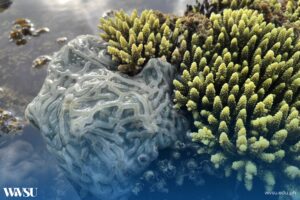
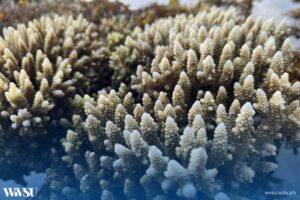
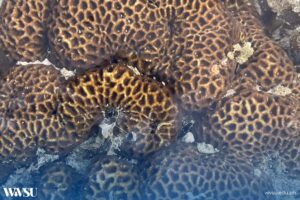
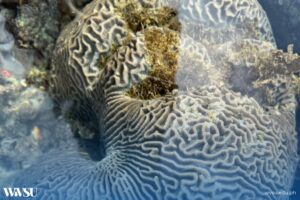
    The third activity employed quadrat sampling (1 m x 1 m) along a 50 m transect line in five locations to analyze coral reef biodiversity. Data indicated that the coral reefs in Sitio Malangabang support an abundant variety of species, including Brain coral (Leptoria), Moon coral (Acanthastrea), Staghorn coral (Acropora), Plate coral (Montipora capricornis), Green horn coral (Hydnophora), and Leather coral (Sarcophyton). The presence of corallivores like Drupella snails and sea urchins (Diadema setosum), which can damage reef structures, highlights the challenges these reefs face as they recover from the impacts of Typhoon Yolanda. During the study, participants also interviewed locals to better understand human activities that affect these ecosystems. Key disturbances included aquaculture, agriculture, conversion of mangrove forests into residential land, wastewater discharge, and plastic pollution.

    This field study underscores the delicate balance of these coastal ecosystems and the pressing need for effective conservation strategies. With increasing anthropogenic pressures, sustainable management and community engagement are critical to preserving the biodiversity and ecological functions of mangroves, seagrasses, and coral reefs in Concepcion, Iloilo. The findings call for collaborative action among local stakeholders, conservationists, and policymakers to protect these ecosystems, which are invaluable to both biodiversity and the livelihood of coastal communities.

    The researchers would like to express their heartfelt gratitude to everyone who contributed to the success of their field study. They sincerely appreciate the warm welcome and support extended by Mayor Milliard Villanueva. They also wish to acknowledge Mr. Mark Rufino, CRMO-DA, and Ms. Je Johann Velasco, DA representative, for their invaluable cooperation.

     Finally, the class extends their deepest thanks to the people of Brgy. Malangabang for their kindness and generosity. Your efforts made this study possible, and we are truly appreciative of all your contributions. | Text by Patrick John M. Paniza, student of Doctor of Philosophy in Science Education (Biology), WVSU College of Education Graduate School| Photos by Jayson I. Gula, Joven J. Loja, JM Abilo, and Angilleca C. Tolones