WVSU

Tag: 15

PROTECT, RESTORE AND PROMOTE SUSTAINABLE USE OF TERRESTRIAL ECOSYSTEMS

A flourishing life on land is the foundation for our life on this planet.We are all part of the planet’s ecosystem and we have caused severe damage to it through deforestation, loss of natural habitats and land degradation. Promoting a sustainable use of our ecosystems and preserving biodiversity is not a cause. It is the key to our own survival.

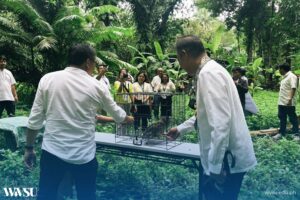
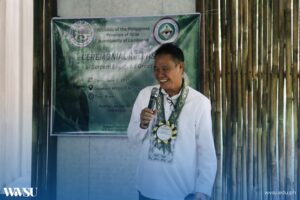
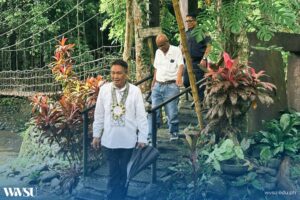
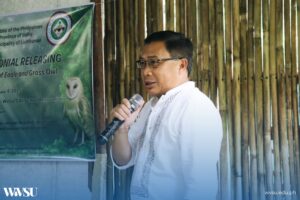
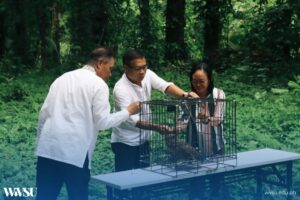
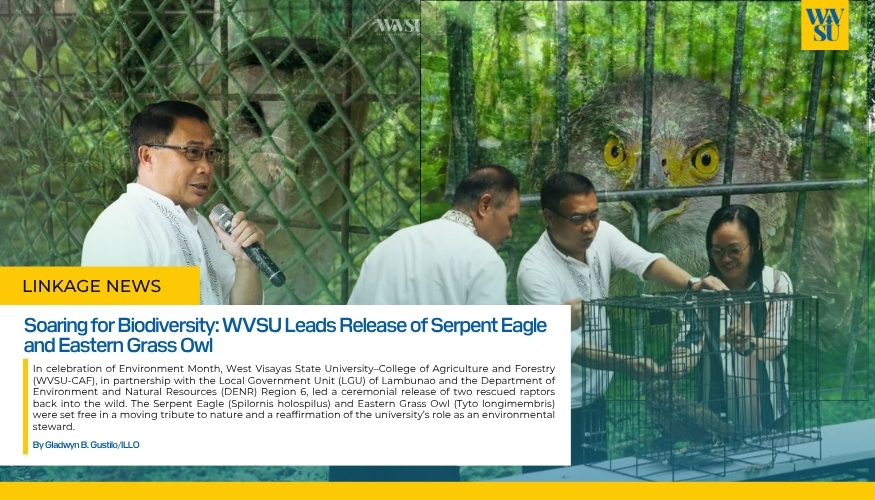
  • Soaring for Biodiversity: WVSU Leads Release of Serpent Eagle and Eastern Grass Owl

    Soaring for Biodiversity: WVSU Leads Release of Serpent Eagle and Eastern Grass Owl

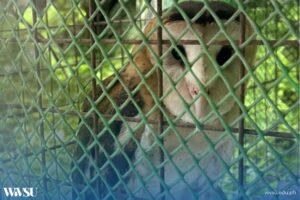
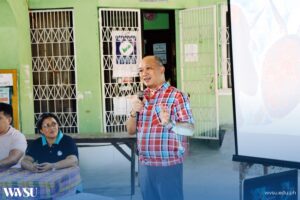
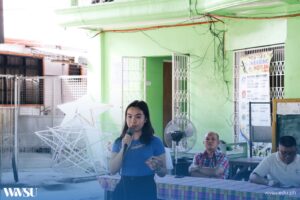
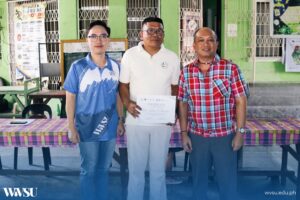
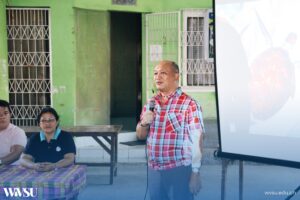
    In celebration of Environment Month, West Visayas State University–College of Agriculture and Forestry (WVSU-CAF), in partnership with the Local Government Unit (LGU) of Lambunao and the Department of Environment and Natural Resources (DENR) Region 6, led a ceremonial release of two rescued raptors back into the wild. The Serpent Eagle (Spilornis holospilus) and Eastern Grass Owl (Tyto longimembris) were set free in a moving tribute to nature and a reaffirmation of the university’s role as an environmental steward.

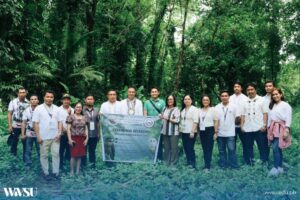
    The event was spearheaded by Dr. Joel A. Araquil, Sr., Campus Administrator of WVSU-CAF, along with MENRO Lambunao Head Mr. Leony Loot, and DENR representatives Foresters Gloria Flores and Carlo Legada. Faculty and staff of WVSU-CAF also took part in the occasion, symbolizing institutional unity in the mission of conservation.

    Healing Wings: Rehabilitation and Assessment

    The raptors, though categorized under the IUCN Red List as species of “Least Concern,” were rescued due to injury and environmental stress. They were brought under the care of WVSU-CAF’s veterinary team, led by Dr. Jb Ian Bullo, who conducted comprehensive assessments to ensure their recovery and readiness for release.

    Mariit Wildlife Conservation Center: A Safe Haven

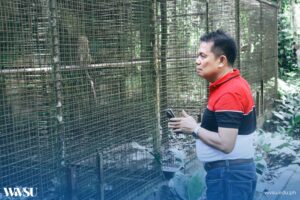
    The release took place at the Mariit Wildlife Conservation Center, a protected sanctuary managed by WVSU-CAF. The center hosts various endemic and threatened species, benefiting from its dense forest canopy, elevation, and isolated terrain—ideal conditions for raptor survival and biodiversity preservation.

    Beyond being a habitat, Mariit serves as a learning and research facility, allowing students and researchers to engage directly with conservation work while promoting environmental awareness among communities.

    Birds as Ecological Indicators

    Birds such as the Serpent Eagle and Eastern Grass Owl are vital components of the food chain and are key indicators of a healthy ecosystem. Their population health often reflects the state of biodiversity and the impacts of human activity on the environment.

    Educational Commitment to Environmental Stewardship

    WVSU-CAF integrates biodiversity conservation into its academic and community extension programs. The release is part of a broader initiative to instill a culture of environmental responsibility among students and stakeholders, from classroom instruction to real-world application.

    As the two birds took flight, they carried with them a message—one of resilience, harmony, and shared duty. The event was not just a scientific success or a ceremonial milestone; it was a reminder that the health of our environment lies in cooperative action.

    Through continuous partnerships with LGUs, DENR, and local communities, WVSU-CAF stands firm in its role as a guardian of nature—educating minds and nurturing ecosystems.

    By Gladwyn B. Gustilo/ILLO
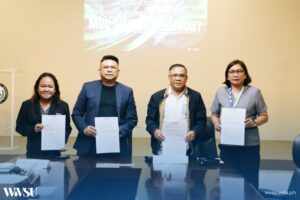
  • WVSU, DENR VI ink MOU to strengthen environmental and student initatives

    WVSU, DENR VI ink MOU to strengthen environmental and student initatives

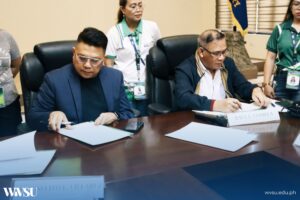
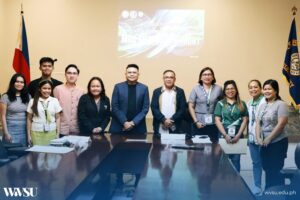
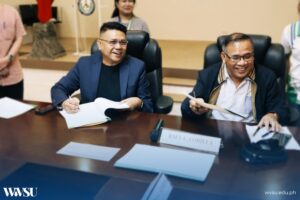
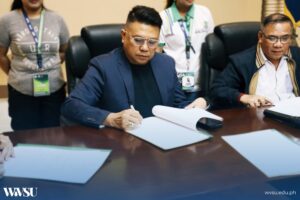
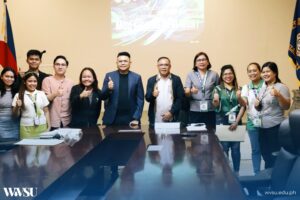
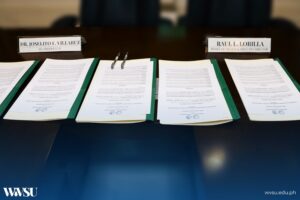
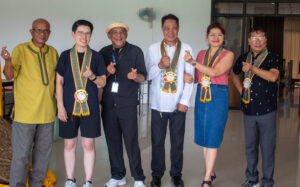
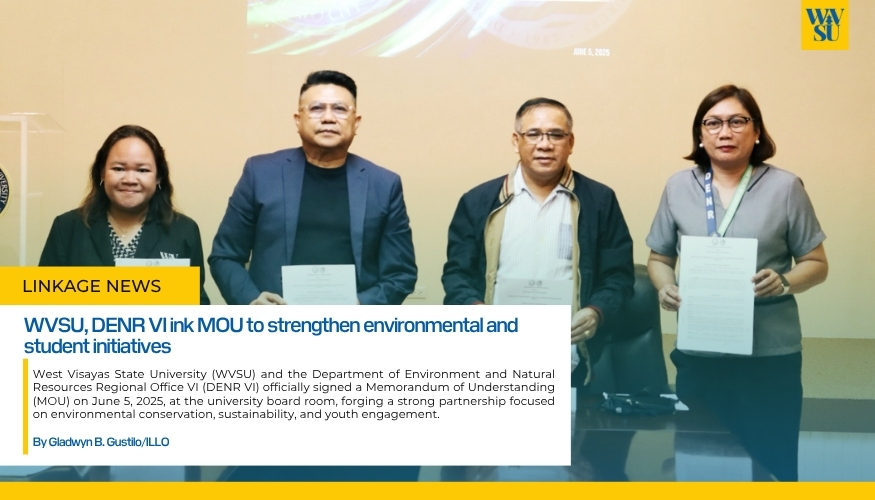
    West Visayas State University (WVSU) and the Department of Environment and Natural Resources Regional Office VI (DENR VI) officially signed a Memorandum of Understanding (MOU) on June 5, 2025, at the university board room, forging a strong partnership focused on environmental conservation, sustainability, and youth engagement.

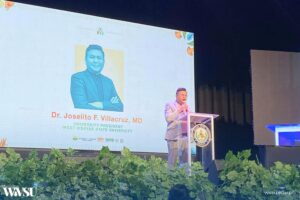
    The ceremonial signing was led by WVSU President Dr. Joselito F. Villaruz and DENR VI OIC Regional Executive Director Raul L. Lorilla.

    Dr. Villaruz, in his message, emphasized the importance of education in addressing environmental issues and fostering a culture of sustainability among the youth. “West Visayas State University (WVSU) proudly stands today as a partner in environmental stewardship, sustainability, and academic excellence. As we formalize this collaboration with the Department of Environment and Natural Resources Regional Office VI, we acknowledge the indispensable role that education plays in shaping a future built on environmental responsibility and conservation,” he said.

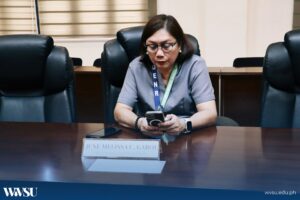
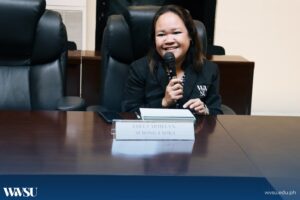
    Present during the signing were June Melissa C. Garol, Assistant Regional Director for Management Services of DENR VI, Armin Halili, Community Environment and Natural Resources Office of Guimbal, and Jessie L. Reyes, Communication Development Officer II and Regional Designate Youth Desk Officer. Representing WVSU, Ms. Edel Carmela Subong-Csóka, Director of the International and Local Linkages Office, formally read the provisions of the agreement and highlighted the importance of collaborative efforts in sustaining environmental programs.

    The MOU outlines the responsibilities of both parties in implementing environmental and educational initiatives. WVSU commits to providing academic resources, research support, and facilitating student and faculty participation in environmental programs, while DENR VI offers technical expertise, policy guidance, and access to environmental data and protected areas. The agreement also aims to support the conduct of community-based projects, awareness campaigns, and youth-led initiatives through DENR VI’s Youth Desk Office.

    One of the notable initiatives supported by this partnership includes the Santuarium Maris Sea Turtle conservation project, showcasing the shared goal of both institutions to preserve biodiversity in Western Visayas.

    By Gladwyn B. Gustilo/ILLO
  • WVSU-CAF, NEMSU share best practices in agricultural and forestry education

    WVSU-CAF, NEMSU share best practices in agricultural and forestry education

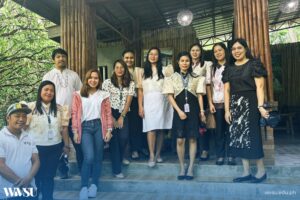
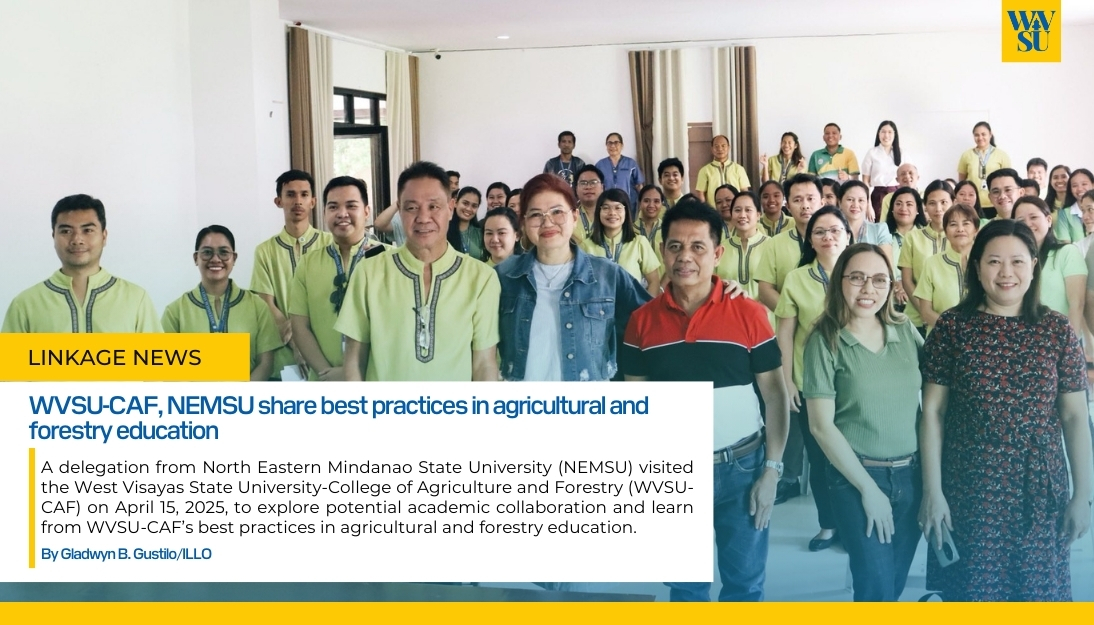
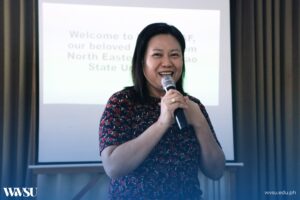
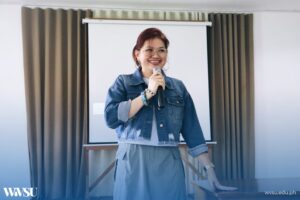
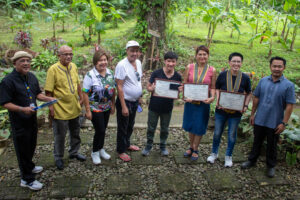
    A delegation from North Eastern Mindanao State University (NEMSU) visited the West Visayas State University-College of Agriculture and Forestry (WVSU-CAF) on April 15, 2025, to explore potential academic collaboration and learn from WVSU-CAF’s best practices in agricultural and forestry education.

    The NEMSU team was led by University President Dr. Nemesio G. Loayon, accompanied by Dr. Annie Y. Samarca, Dean of the College of Teacher Education; Dr. Marie Cristina C. Dela Cerna, Director of Extension Services; and Ms. Jenni Montero, Regional Manager of Camosun College, Canada and External Consultant for Internationalization.

    The visiting team was warmly welcomed by Dr. Joel Araquil Sr., Campus Administrator of CAF; Dr. Anthony Leal, Director of the College of Agriculture; Dr. Jerry A. Ceballos, Director of the College of Forestry; and Mr. Michael Gonzales, Internationalization (IZN) Coordinator.

    The discussion centered on academic program alignment, extension initiatives, and the sharing of best practices in curriculum development. Both universities expressed interest in forging partnerships for instruction, joint research, and internationalization efforts.

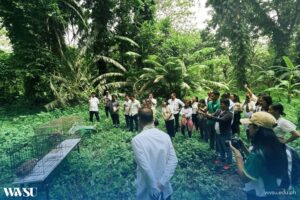
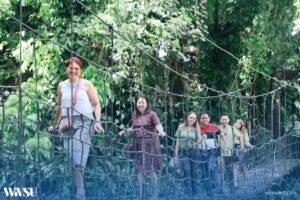
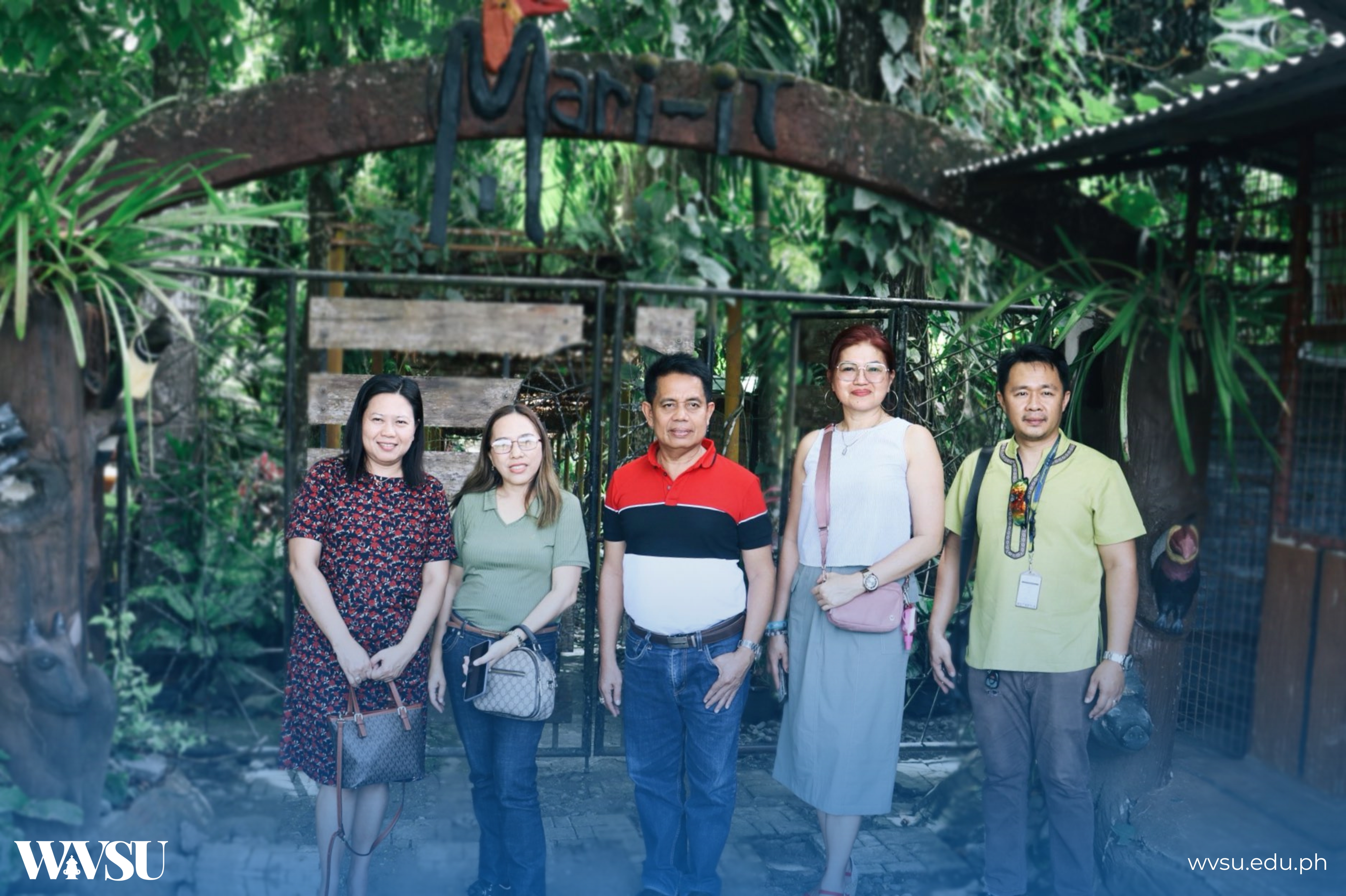
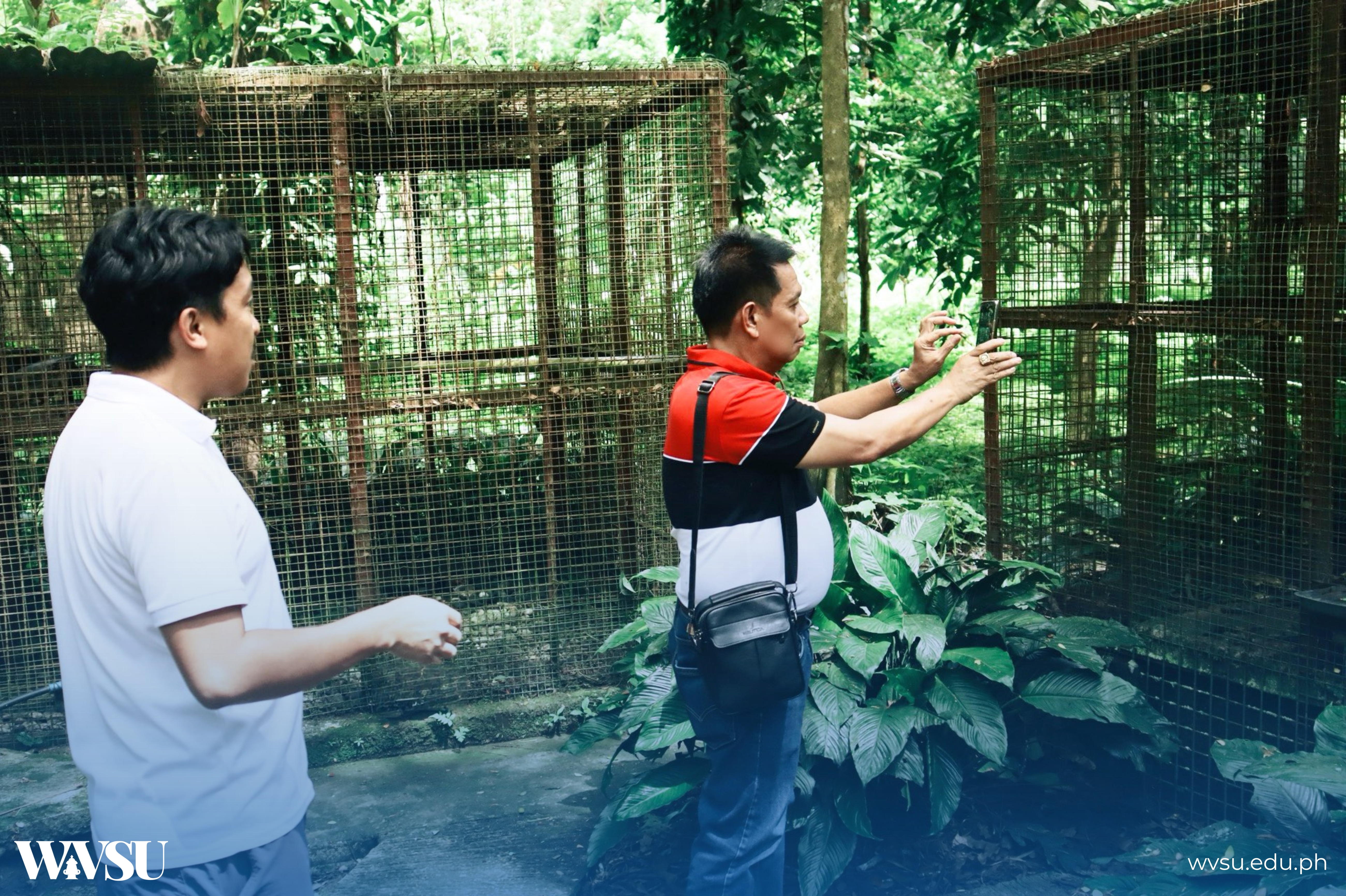
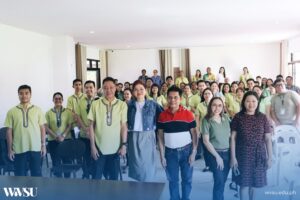
    As part of the visit, the NEMSU delegation toured the Mari-it Wildlife and Conservation Park. The tour sparked ideas for collaborative research focused on biodiversity conservation, sustainable practices, and environmental education—initiatives that aim to benefit not only both institutions but also the broader academic and local communities.

    #WVSUInternationalization#WVSUILLO
    #WVSUIZNCreatingLeadersChangingLives

    By Gladwyn B. Gustilo/ILLO
  • ‘Kadiwa sa WVSU’ highlights local agriculture as WVSU opens its 2025 University Days

    ‘Kadiwa sa WVSU’ highlights local agriculture as WVSU opens its 2025 University Days

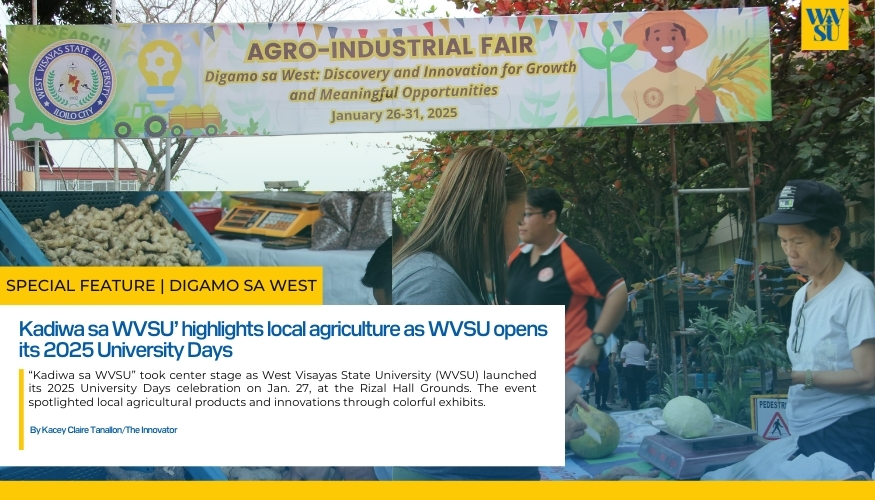
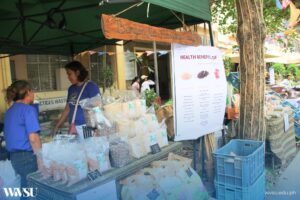
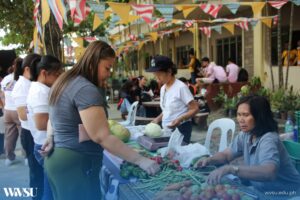
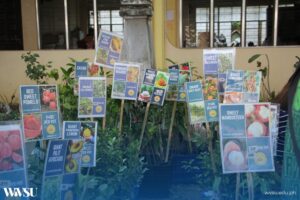
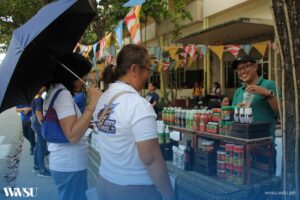
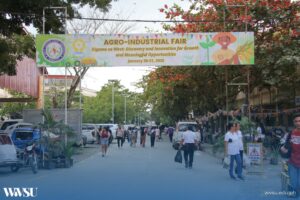
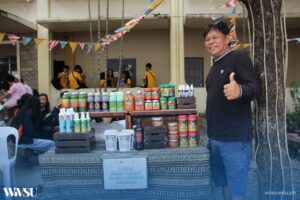
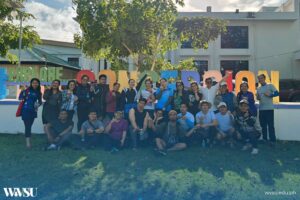
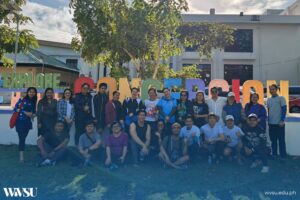
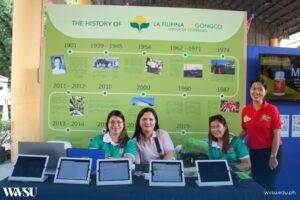
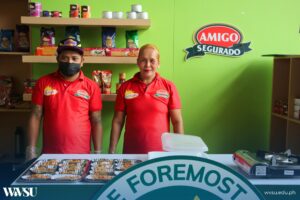
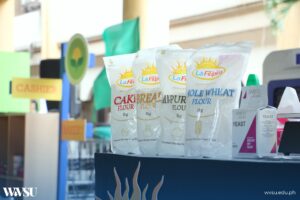
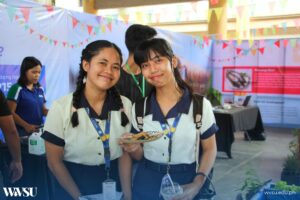
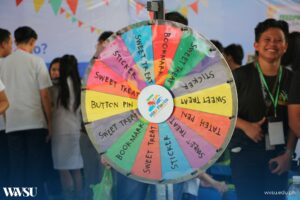
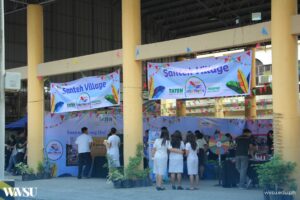
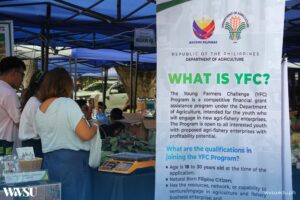
    “Kadiwa sa WVSU” took center stage as West Visayas State University (WVSU) launched its 2025 University Days celebration on Jan. 27, at the Rizal Hall Grounds. The event spotlighted local agricultural products and innovations through colorful exhibits.

    Opening at 1 p.m., the soft launch transformed the Rizal Hall Grounds into a vibrant hub of discovery, underscoring WVSU’s dedication to promoting sustainable practices and community development.

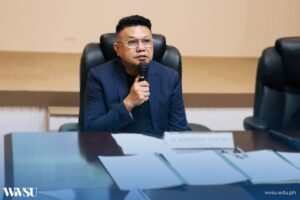
    In his remarks, WVSU President Dr. Joselito F. Villaruz emphasized the vital role of agriculture in society. “Through initiatives like ‘Kadiwa sa West,’ we are not only creating opportunities for our local producers but also fostering a deeper appreciation for agriculture as the backbone of our economy and culture,” he said.

    The event formally began with a ribbon-cutting ceremony at the Rizal Hall Grounds, led by Dr. Villaruz along with university administrators, deans, directors, and Department of Agriculture officials.

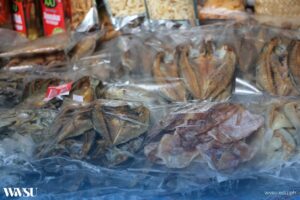
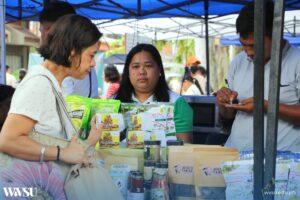
    Students, faculty, and visitors explored the exhibits, which featured agricultural innovations, cultural showcases, and locally produced goods. Each display reflected WVSU’s commitment to empowering local communities and supporting sustainable initiatives.

    The “Kadiwa sa WVSU” exhibits will be open to the public until January 31, offering a week-long celebration of collaboration, innovation, and local ingenuity.

    Story by Kacey Claire Tanallon/The Innovator

    Photos by PAMCO
  • Sanctuarium Maris Project inspires action for sea turtle nest preservation

    Sanctuarium Maris Project inspires action for sea turtle nest preservation

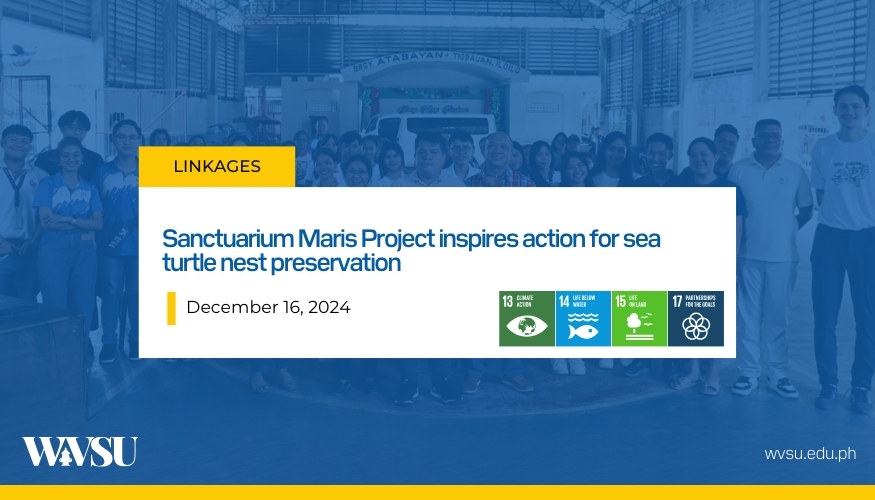
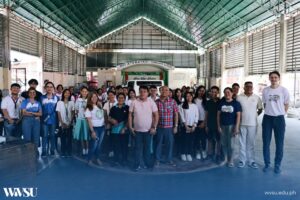
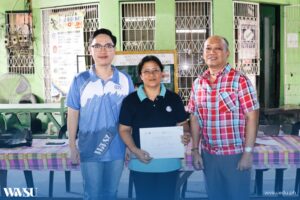
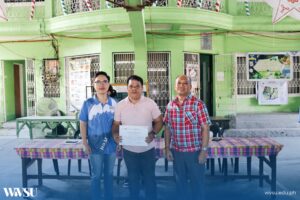
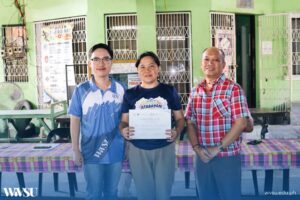
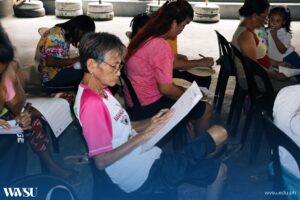
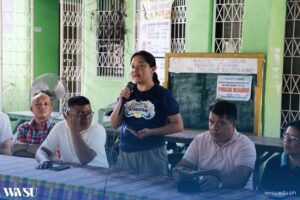
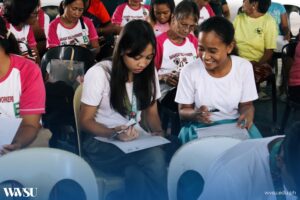
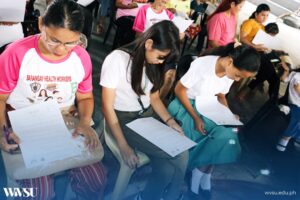
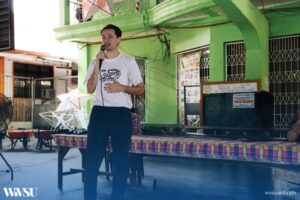
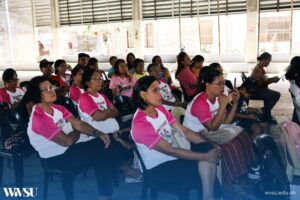
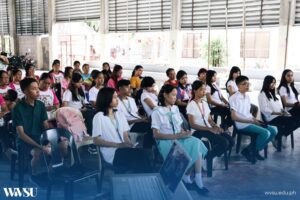
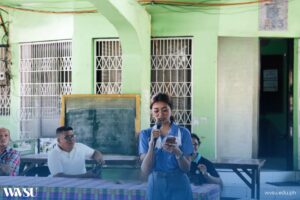
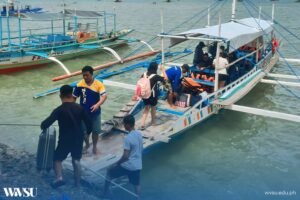
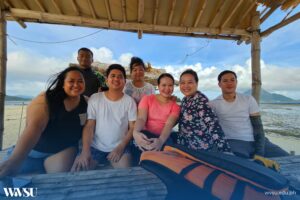
    On December 16, 2024, the DagYoung Student Ambassadors of West Visayas State University (WVSU), in partnership with the Positive Youth Development Network (PYDN), Federated Student Council (FSC), and the Development Communicators’ Society, successfully held the first training-seminar for the Sanctuarium Maris: Sea Turtle Nest Protection Project in Barangay Atabayan, Tigbauan, Iloilo.

    This project, funded by the Embassy of France to the Philippines and Micronesia, is driven by the student ambassadors, a university-recognized internationalization arm of WVSU International and Local Linkages Office, showcases the power of volunteerism, community collaboration, and sustainable environmental stewardship.

    Amabela Fiona Le B. Benid, a DagYoung Student Ambassador, opened the seminar by presenting project’s rationale and the importance of Barangay Atabayan as a nesting ground for olive ridley turtles (Lepidochelys olivacea), a species classified as vulnerable by the International Union for Conservation of Nature (IUCN). She noted that the barangay has served as a frequent nesting ground for sea turtles, while also experiencing high rates of stranded and injured turtles.

    Barangay Captain Hon. Edison T. Camiña followed with a discussion on the “Power of Atabayan Unity for Environmental Projects,” stressing the significance of community collaboration in addressing environmental challenges. Sangguniang Barangay Member Hon. Julius E. Trafalgar underscored the importance of volunteerism, while Hon. Rowena C. Torrechante highlighted the critical roles of women and youth in achieving positive and sustainable change.

    A key segment of the seminar was led by Forester Jojie P. Gereza from the Department of Environment and Natural Resources (DENR) Community Environment and Natural Resources Office (CENRO) in Guimbal. Gereza provided an in-depth discussion on sea turtle biology, conservation protocols, and proper procedures for responding to stranded or injured turtles.

    The forum was facilitated by Dr. Ricky Abaleña III, the project’s Strategies and Communication Consultant, and commenced by DagYoung Student Ambassador Johnric G. Vargas, Special Projects Coordinator. Participants engaged in discussions on community education strategies, nest identification, and the role of local government units in incentivizing conservation initiatives.

    The Sanctuarium Maris project is designed to unfold in phases, starting with community education to enhance awareness about sea turtle conservation. It also aims to empower women and youth to identify, monitor, and protect nesting grounds while fostering a deeper understanding of marine life’s ecological importance. The project further provides opportunities for local government units to support conservation efforts through data-driven incentives.

    Barangay Atabayan has long been recognized as a critical nesting site for sea turtles, with reports of hatchlings emerging on its shores as recently as 2020. However, the community also faces challenges, such as stranded and injured turtles, a trend reflected in multiple sightings over the years. According to local data, from 2001 to 2011, 109 sea turtles were spotted in the area, many of which were wounded. In 2020 alone, 11 turtles were rescued from fish traps or found stranded along the coast.

    Given the community’s reliance on fishing as a primary source of livelihood, the project introduces strategies that merge conservation with practical and economic benefits. By involving women and youth, the Sanctuarium Maris initiative seeks to build a network of “first responders” who are trained to protect sea turtles and ensure their safe return to the ocean.

    The first training-seminar underscores WVSU’s leadership in promoting environmental responsibility and volunteerism. Through this initiative, the university, together with its partner organizations and the Atabayan community, sets a foundation for protecting endangered marine species while inspiring collective action for environmental sustainability.

    With the combined efforts of WVSU’s student organizations, government leaders, and residents, Sanctuarium Maris sets an inspiring example of what leadership and collaboration can achieve. As sea turtles return to Tigbauan’s shores year after year, they will find not only a safe haven but a community dedicated to their protection.

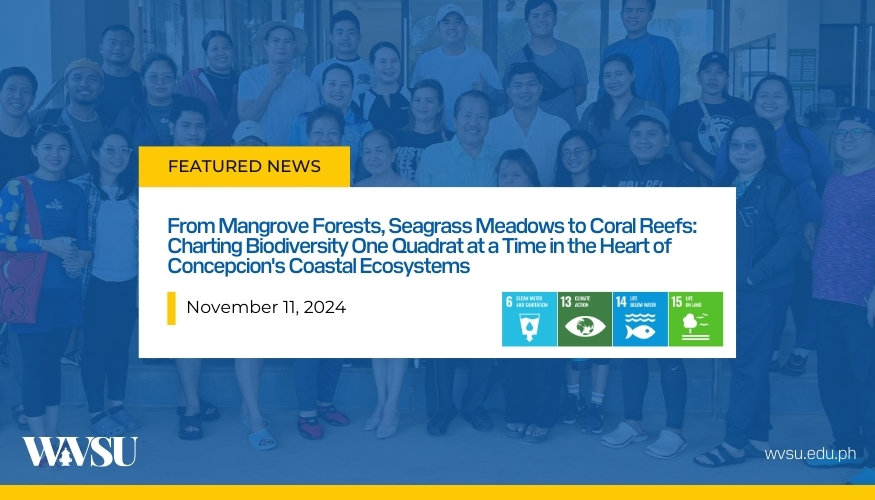
  • From Mangrove Forests, Seagrass Meadows to Coral Reefs: Charting Biodiversity One Quadrat at a time in the Heart of Concepcion’s Coastal Ecosystems

    From Mangrove Forests, Seagrass Meadows to Coral Reefs: Charting Biodiversity One Quadrat at a time in the Heart of Concepcion’s Coastal Ecosystems

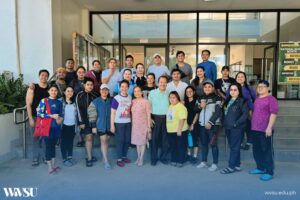
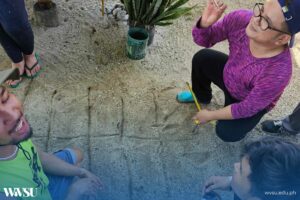
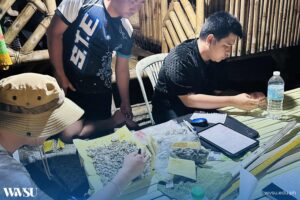
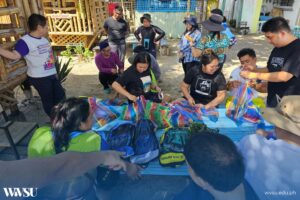
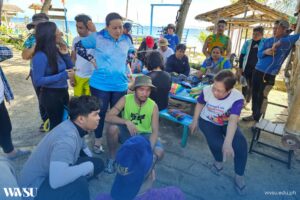
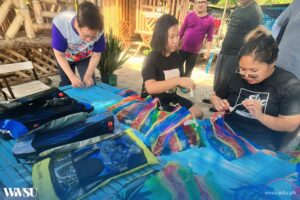
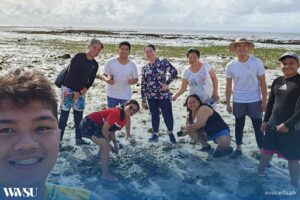
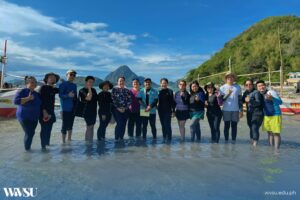
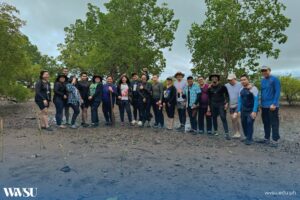
    Ph.D. Science Education major in Biology students from West Visayas State University-La Paz conducted an extensive three-part field study focused on assessing the health and biodiversity of mangrove, seagrass, and coral ecosystems in the Municipality of Concepcion, Iloilo, on Nov. 3-4, 2024. This activity is part of their course, SCI 629: Advanced Marine Ecology, under the guidance of Dr. Josette T. Biyo.

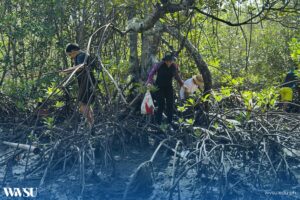
    The first part of the study, titled “Assessment of Mangrove Community Structure in Two Study Areas of Concepcion, Iloilo, Philippines,” aimed to describe and compare the ecological framework of two distinct sites: Brgy. Bacjawan Sur and Sitio Pasil, Brgy. Malangabang coastal areas. The research team collected data on species composition, species density, regeneration rates, ambient parameters, cohabiting organisms, and human impacts in these areas.

    The second part, “Community Structure of the Seagrass Ecosystem in the Intertidal Zones of Concepcion, Iloilo,” explored the ecological characteristics of seagrass beds in the same sites by measuring parameters such as species composition, species density, biomass, presence of epiphytes, and human-induced disturbances.

    Finally, the third part, “Biodiversity Assessment of Coral Reefs Regenerated a Decade After Typhoon Yolanda Destruction at Malangabang, Concepcion, Iloilo, Philippines,” evaluated coral regeneration in terms of hard and soft coral composition, recruitment, percent cover, and the health of the coral reef ecosystem, considering both keystone and harmful species, as well as economically valuable invertebrates.

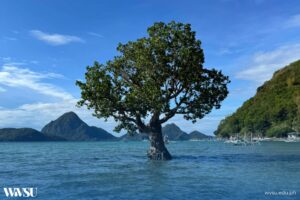
    In the first activity, participants used the quadrat sampling method (10 m x 10 m) in five sampling sites to obtain a representative ecological survey of mangrove biodiversity in the study sites. The findings indicated greater diversity of mangrove species in Sitio Pasil, Brgy. Malangabang, an island setting, compared to Brgy. Bacjawan Sur on the mainland. Prominent species included Rhizophora apiculata, Avicennia marina, and Sonneratia alba. Other notable organisms observed in the mangrove area included periwinkle snails, hermit crabs, fire ants, egrets, and ruddy turnstones. The contrast in species density and regeneration between the two sites provides insights into the differing ecological pressures and conditions on the island versus the mainland, informing conservation strategies for each habitat.

    In the second activity, researchers employed the random core sampling technique with a total of 25 replicates to assess seagrass ecosystems. The results revealed that Brgy. Malangabang had richer seagrass biodiversity, with species such as Enhalus acoroides, Halodule uninervis, and Halophila ovalis thriving in the intertidal zones, while only Enhalus acoroides was present in Brgy. Bacjawan Sur. The significant variation in species composition and density between the two sites emphasizes the need for localized management efforts that account for site-specific ecological dynamics, especially given the environmental pressures that can impact the resilience of these vital ecosystems.

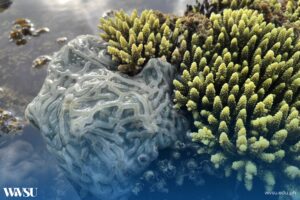
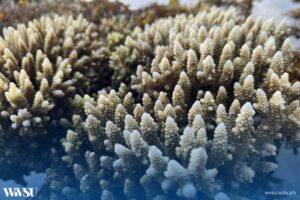
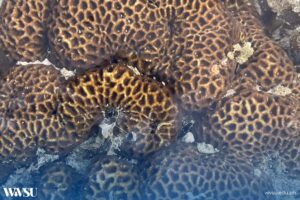
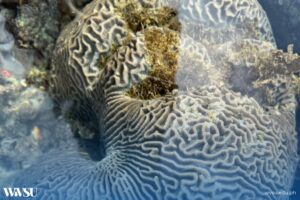
    The third activity employed quadrat sampling (1 m x 1 m) along a 50 m transect line in five locations to analyze coral reef biodiversity. Data indicated that the coral reefs in Sitio Malangabang support an abundant variety of species, including Brain coral (Leptoria), Moon coral (Acanthastrea), Staghorn coral (Acropora), Plate coral (Montipora capricornis), Green horn coral (Hydnophora), and Leather coral (Sarcophyton). The presence of corallivores like Drupella snails and sea urchins (Diadema setosum), which can damage reef structures, highlights the challenges these reefs face as they recover from the impacts of Typhoon Yolanda. During the study, participants also interviewed locals to better understand human activities that affect these ecosystems. Key disturbances included aquaculture, agriculture, conversion of mangrove forests into residential land, wastewater discharge, and plastic pollution.

    This field study underscores the delicate balance of these coastal ecosystems and the pressing need for effective conservation strategies. With increasing anthropogenic pressures, sustainable management and community engagement are critical to preserving the biodiversity and ecological functions of mangroves, seagrasses, and coral reefs in Concepcion, Iloilo. The findings call for collaborative action among local stakeholders, conservationists, and policymakers to protect these ecosystems, which are invaluable to both biodiversity and the livelihood of coastal communities.

    The researchers would like to express their heartfelt gratitude to everyone who contributed to the success of their field study. They sincerely appreciate the warm welcome and support extended by Mayor Milliard Villanueva. They also wish to acknowledge Mr. Mark Rufino, CRMO-DA, and Ms. Je Johann Velasco, DA representative, for their invaluable cooperation.

     Finally, the class extends their deepest thanks to the people of Brgy. Malangabang for their kindness and generosity. Your efforts made this study possible, and we are truly appreciative of all your contributions. | Text by Patrick John M. Paniza, student of Doctor of Philosophy in Science Education (Biology), WVSU College of Education Graduate School| Photos by Jayson I. Gula, Joven J. Loja, JM Abilo, and Angilleca C. Tolones

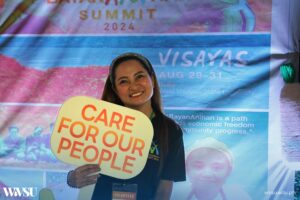
  • BayanAnihan Summit 2024 Visayas leg kicks off at WVSU

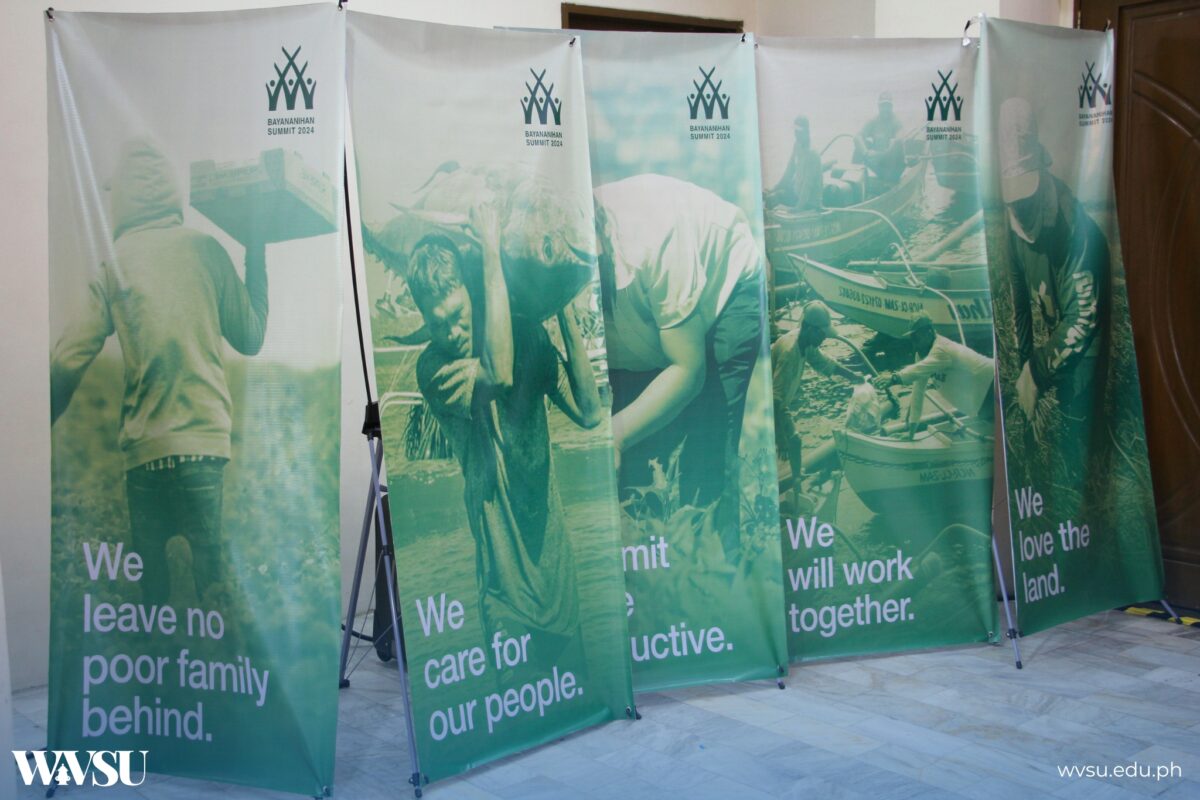
    BayanAnihan Summit 2024 Visayas leg kicks off at WVSU

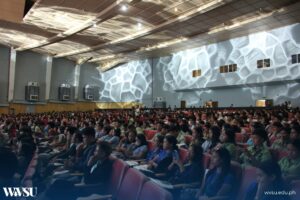
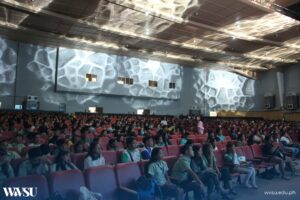
    The BayanAnihan Summit Visayas leg kicked off today at West Visayas State University (WVSU) in Iloilo City, with the theme “Building a Culture of Productivity.” The opening program was held at the WVSU Cultural Center, followed by insightful plenary sessions facilitated by various partners and organizations from the fisheries sector. 

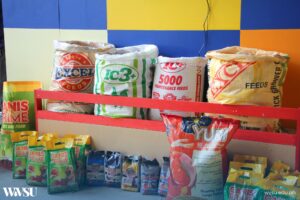
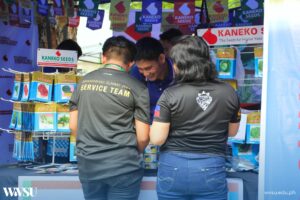
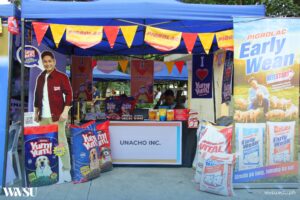
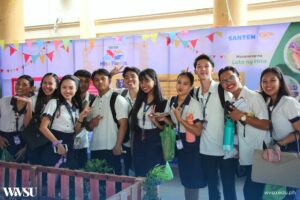
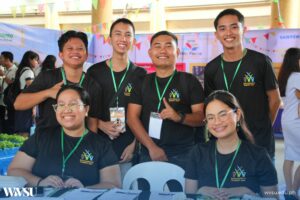
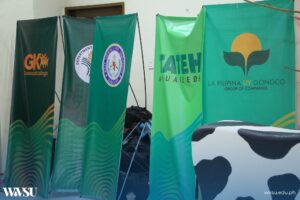
    Throughout the afternoon, breakout sessions and roundtable discussions with industry leaders are scheduled to take place, alongside competitions, networking activities, and an all-day countryside fair. Aside from stalls for meals and snacks, planting materials, breeding stocks, and souvenir items, the event sponsors and partners also prepared information materials, games, prizes, and growth opportunities for guests who stopped by their booths. 

    The countryside fair aims to showcase and promote local food products and agriculture merchandise, and to encourage public and private partnerships in supporting and investing in young agri-leaders. 

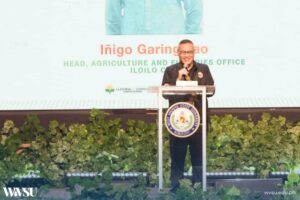
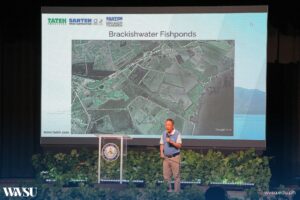
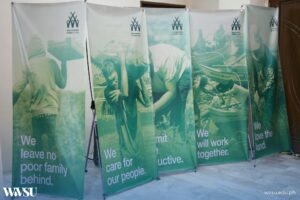
    Running from August 29 to 31, 2024, the summit aims to provide young fishers, farmers, and foresters opportunities to connect with agriculture industries, invest in training, and share knowledge to help them implement entrepreneurial strategies in their communities.

  • 1st ASEAN Agriculture and Forestry Summit continues on its second day

    1st ASEAN Agriculture and Forestry Summit continues on its second day

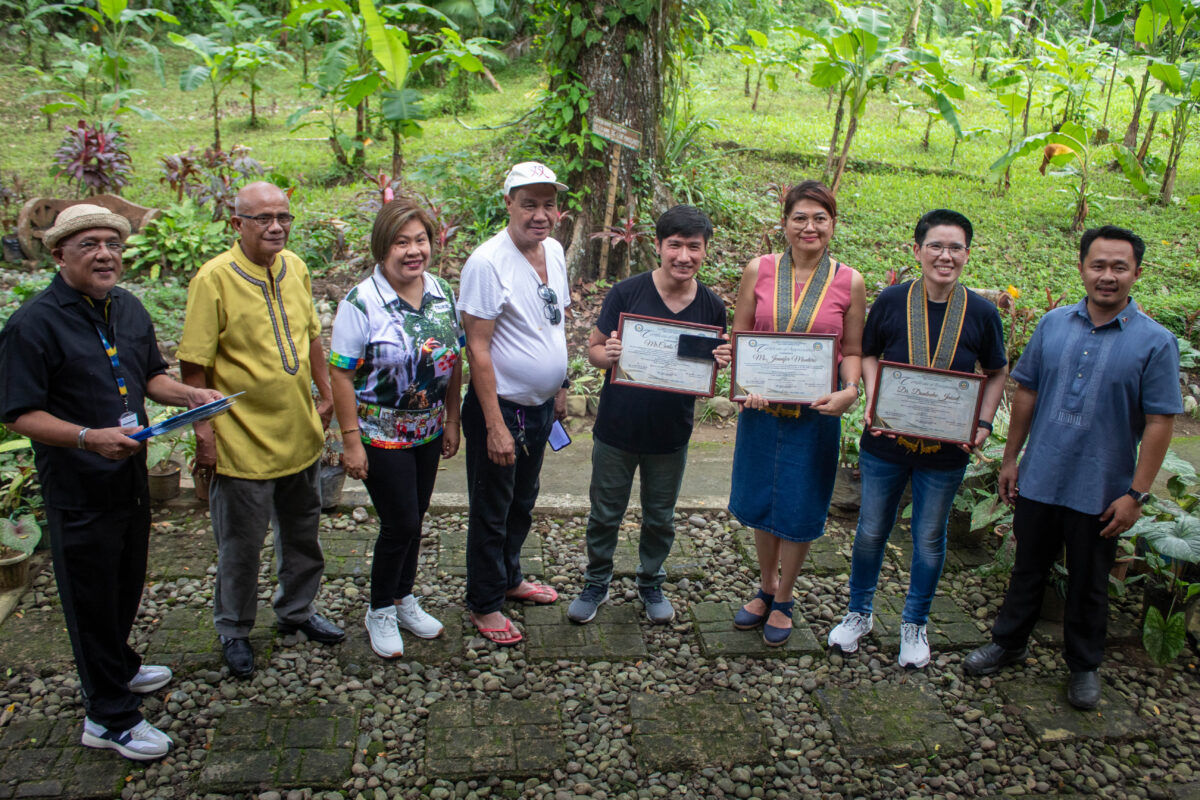
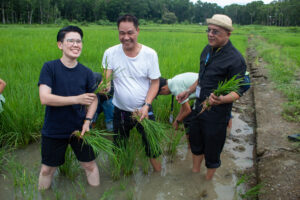
    The first ASEAN Agriculture and Forestry Summit continued on its second day in West Visayas State University-College of Agriculture and Forestry (WVSU-CAF) on August 28, 2024. It was marked by discussions filled with knowledge-sharing and cultural exchange.

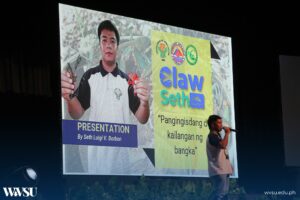
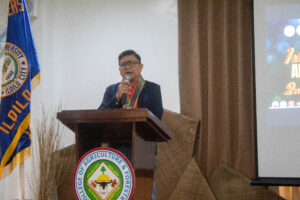
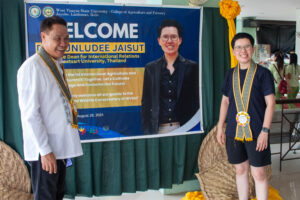
    The second day kicked off with a research forum, with selected students from the WVSU-CAF presenting their proposals in forestry, animal science, and crop science. The proposals were evaluated by the esteemed guest, Dr. Donludee Jaisut, Associate Dean- International Relations of the Faculty of Agriculture of Kasetsart University, who shared her expertise and insights on the importance of research and international collaboration.

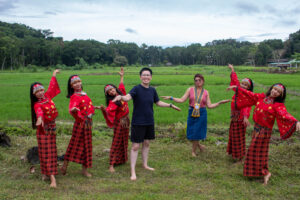
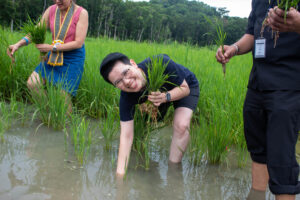
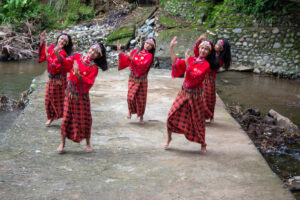
    Today’s activities highlighted the essence of “Tabo, Tiraw, and Tungkad.” These themes represent the foundation of this summit, connecting people (“Tabo”) with shared knowledge, savoring the cultural identity (“Tiraw”) through traditional flavors and local delicacies, and rising to new heights (“Tungkad”) to collectively aim to uplift the fields of agriculture and forestry.

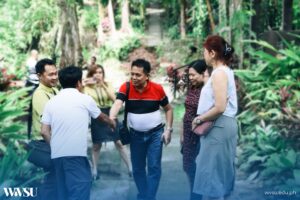
    The day also featured a campus tour to the Mariit Wildlife and Conservation Park, which is under the care of WVSU CAF. The tour was guided by experts Dr. JB Ian Bullo- Campus Veterinarian, and Forester Rod Reynan L. Laspinas. This allowed both WVSU and Kasetsart University to appreciate the conservation efforts and expertise in fostering innovation and sustainability.

    This summit is made possible through the collaborative efforts of West Visayas State University (WVSU) led by president Dr. Joselito Villaruz; Kasetsart University of Thailand represented by Dr. Donludee Jaisut, Associate Dean International Relations, Faculty of Agriculture Kasetsart University, Thailand; Prof. Edel Subong-Csoka, Director, International and Local Linkages Office; Dr. Joel Araquil, Campus administrator WVSU-CAF, with the assistance of Prof Michael Victor Gonzales, CAF IZN Coordinator, the CAF faculty and staff, and the DagYoung Student Ambassadors.

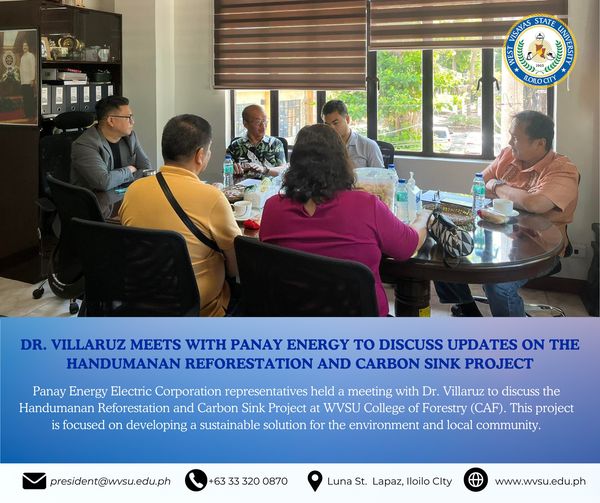
  • Dr. Villaruz meets with PEEC reps on Handumanan reforestation and carbon sink project

    Dr. Villaruz meets with PEEC reps on Handumanan reforestation and carbon sink project

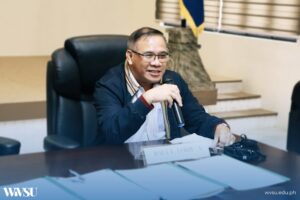
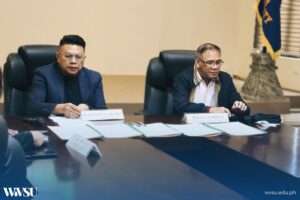
    Panay Energy Electric Corporation representatives held a meeting with Dr. Joselito F. Villaruz to discuss the Handumanan Reforestation and Carbon Sink Project at West Visayas State University College of Forestry (WVSU CAF) on May 10, 2024. This project is focused on developing a sustainable solution for the environment and local community.

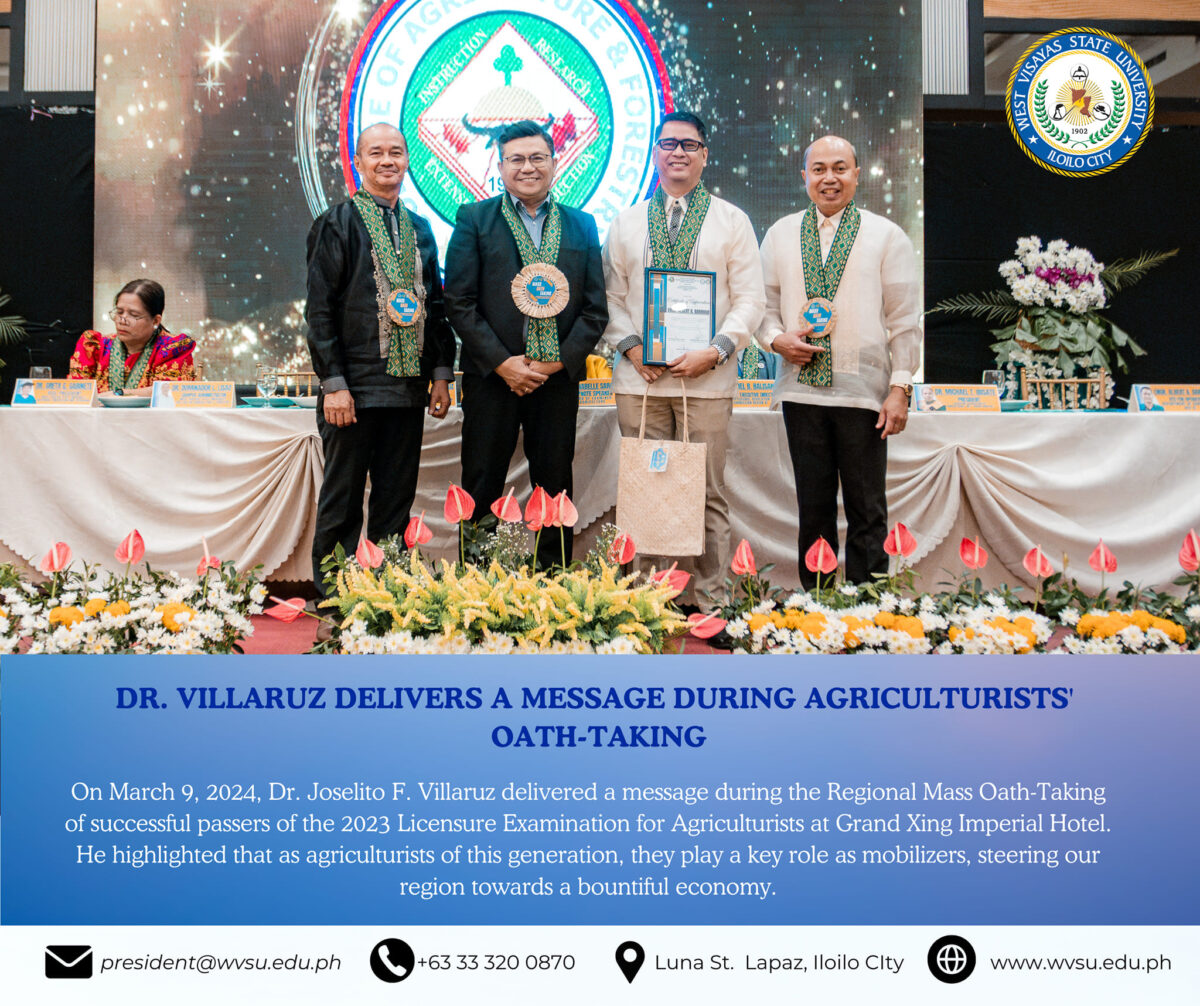
  • Dr. Villaruz delivers a message during agriculturists’ oath-taking

    Dr. Villaruz delivers a message during agriculturists’ oath-taking

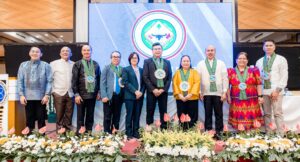
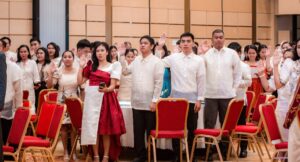
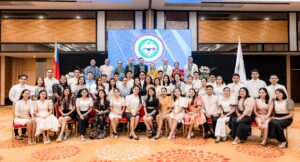
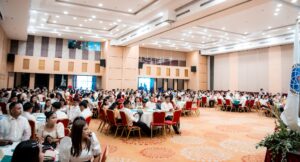
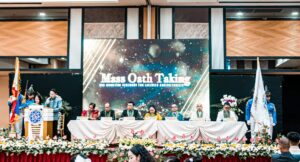
    On March 9, 2024, Dr. Joselito F. Villaruz delivered a message during the Regional Mass Oath-Taking of successful passers of the 2023 Licensure Examination for Agriculturists at Grand Xing Imperial Hotel. Dr. Villaruz highlighted that as agriculturists of this generation, they play a key role as mobilizers, steering our region towards a bountiful economy.