West Visayas State University (WVSU) has been officially approved as a member of the United Nations Sustainable Development Solutions Network (SDSN), following the endorsement of its Networks Strategy Council on December 15, 2025.
The milestone affirms WVSU’s sustained commitment to advancing the Sustainable Development Goals (SDGs) through research, instruction, policy engagement, and community-based initiatives.
Dr. Louis Placido F. Lachica, WVSU UN SDSN Focal Person, said the membership enhances the university’s role in promoting evidence-based, inclusive, and locally grounded solutions to development challenges. He added that it also opens wider opportunities for international collaboration toward building sustainable and resilient communities.
The three-month application process was completed through close collaboration with Vice President for Academic Affairs Dr. Ma. Asuncion Christine V. Dequilla and University Planning and Development Office Director Dr. Reymund B. Flores. According to Dr. Lachica, the approval reflects WVSU’s strong and comprehensive institutional portfolio and its consistent engagement in sustainable development initiatives.
The SDSN is a global network of more than 2,000 institutions worldwide that promote high-quality education and research for sustainable development, support governments in addressing SDG-related challenges, and initiate solution-oriented programs, including long-term development pathways.
In 2022, the university, through the International and Local Linkages Office (ILLO), formally promoted the inclusion of the United Nations’ Sustainable Development Goals in the objectives, posters, banners or tarpaulins, programs, and invitations of all WVSU activities and events. This initiative applied to academic, extension, research, and student-led programs across colleges, campuses, and units.
Under the policy, organizers are encouraged to explicitly state the applicable SDG or SDGs in the objectives of their activities and visibly integrate the official SDG logos in all information and promotional materials. The move aimed to deepen awareness of the 17 interlinked global goals adopted by the United Nations in 2015 as a blueprint for achieving a more sustainable and inclusive future by 2030.
With its inclusion in the SDSN, WVSU strengthens its position in the global sustainability community and reinforces its commitment to contributing knowledge-driven solutions for inclusive and sustainable development.
Tag: 6
ENSURE AVAILABILITY AND SUSTAINABLE MANAGEMENT OF WATER AND SANITATION FOR ALL.
One in three people live without sanitation. This is causing unnecessary disease and death. Although huge strides have been made with access to clean drinking water, lack of sanitation is undermining these advances. If we provide affordable equipment and education in hygiene practices, we can stop this senseless suffering and loss of life.
-
WVSU earns membership in Global UN SDSN Network
-
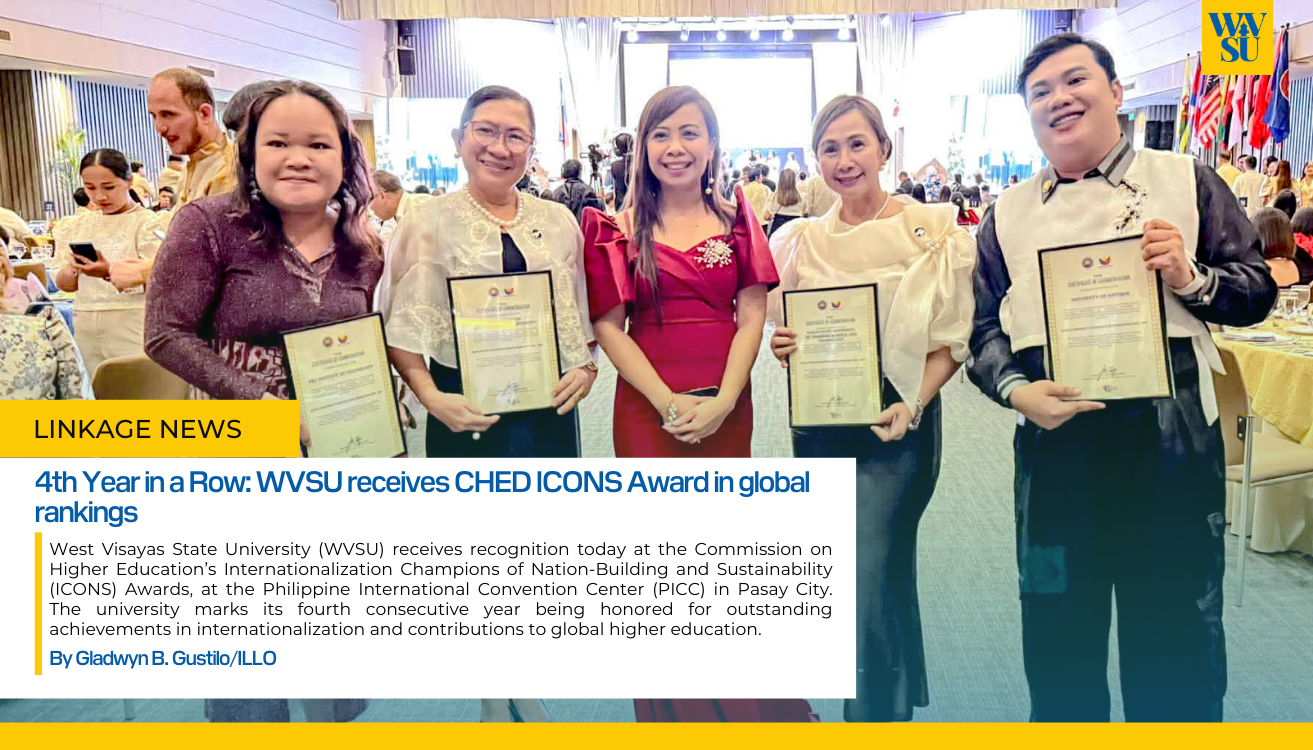
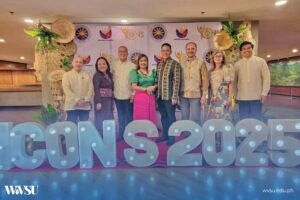
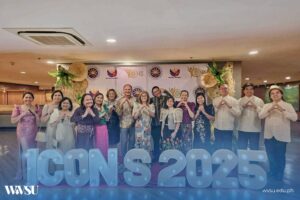
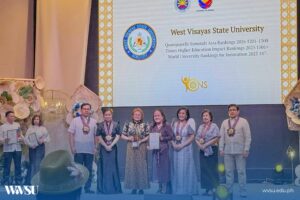
4th Year in a Row: WVSU receives CHED ICONS Award in global rankings
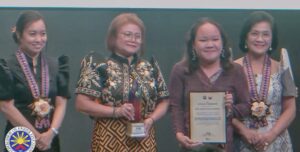
West Visayas State University (WVSU) receives recognition today at the Commission on Higher Education’s Internationalization Champions of Nation-Building and Sustainability (ICONS) Awards, at the Philippine International Convention Center (PICC) in Pasay City. The university marks its fourth consecutive year being honored for outstanding achievements in internationalization and contributions to global higher education.
Dr. Elizabeth Magallanes, Director of the Quality Assurance Office, and Ms. Edel Carmela Subong-Csoka, Director of the International and Local Linkages Office, receive the award on behalf of the university.
WVSU stands out as one of the leading Philippine Higher Education Institutions (PHEIs) for strong performance in major global ranking platforms, including the 2025 THE Impact Rankings, 2026 QS World University Rankings–Asia, and the 2025 World University Rankings for Innovation (WURI).
2025 THE Impact Rankings
WVSU earns a spot in the 2025 THE Impact Rankings, placing in the 1501+ overall bracket. The university gains recognition for contributions to key Sustainable Development Goals (SDGs):
• SDG 3 – Good Health and Well-Being (1001–1500)• SDG 4 – Quality Education (1501+)
• SDG 16 – Peace, Justice, and Strong Institutions (1001+)
• SDG 17 – Partnerships for the Goals (1501+)
2026 QS Asia Rankings
WVSU strengthens its regional presence, placing 185th in Southeast Asia and within the 1201–1300 bracket in Asia in the 2026 QS World University Rankings–Asia.
2025 WURI Rankings
WVSU demonstrates a culture of innovation, climbing to Rank 187 in the 2025 WURI, rising from 210th in 2024. The university also secures top spots in three WURI Top 100 categories:
• Rank 20 – Student Mobility & Openness (A2)• Rank 36 – Student Support & Engagement (A1)
• Rank 91 – Culture/Values (B4)
In addition to its global recognition, WVSU advanced its commitment to quality education through a new partnership with CHED. Earlier today, President Dr. Joselito F. Villaruz and Vice President for Academic Affairs Dr. Ma. Asuncion Christine V. Dequilla signed a Memorandum of Understanding (MOU) with CHED Secretary Shirley C. Agrupis to implement the Diploma in Teaching Program, reinforcing the university’s role in shaping competent educators for the nation.
Through these achievements and partnerships, WVSU continues to strengthen its international profile while advancing its mission of excellence, innovation, and sustainable development in higher education.

-
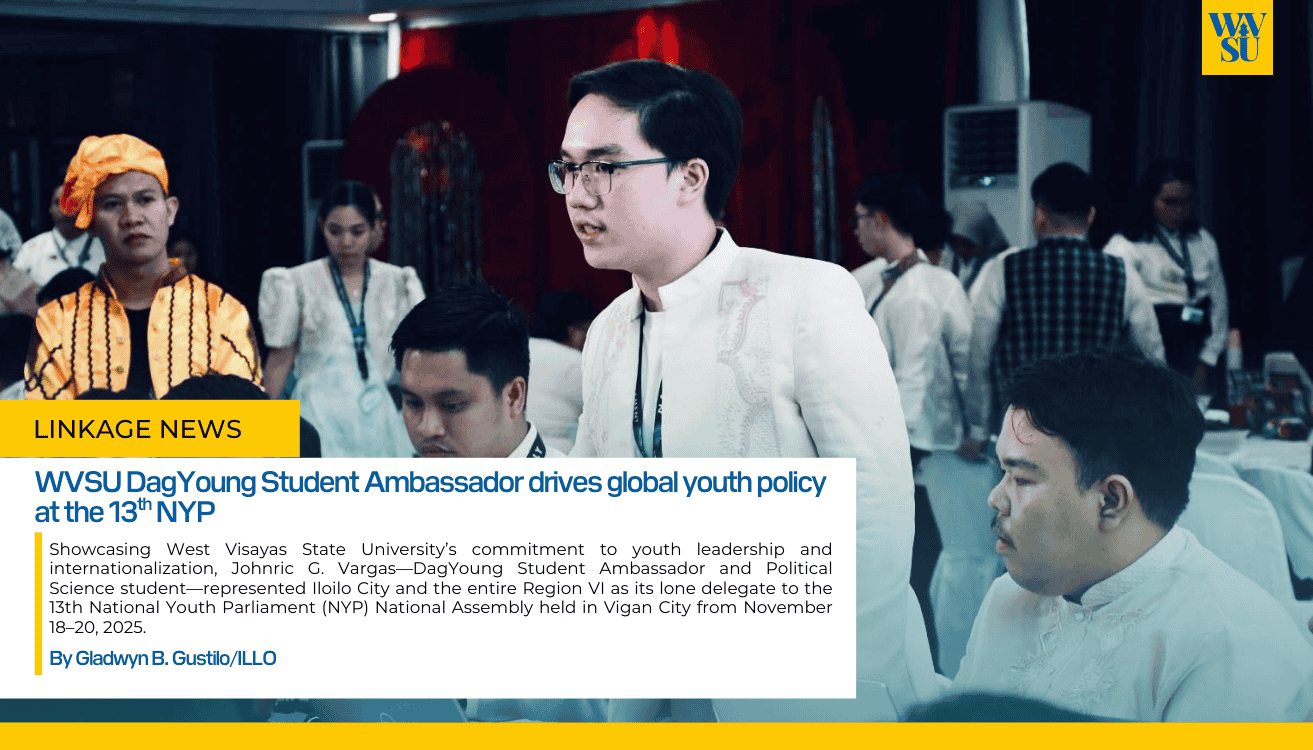
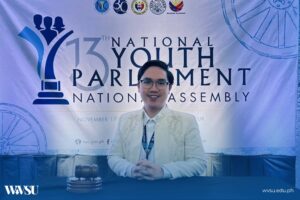
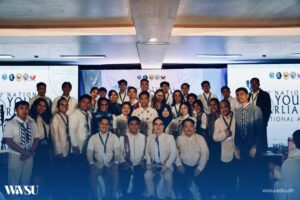
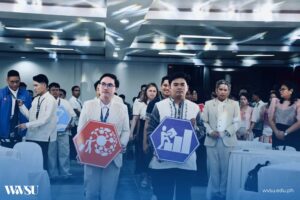
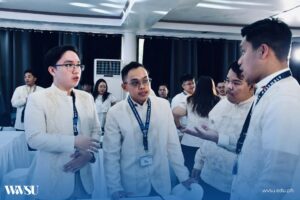
WVSU Dagyoung Student Ambassador drives global youth policy at the 13th NYP
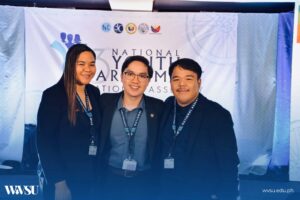
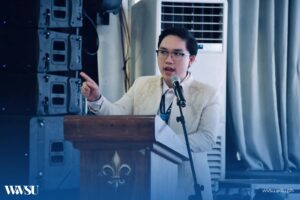
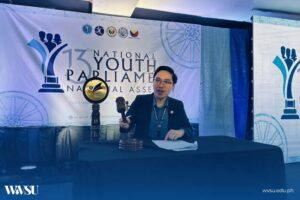
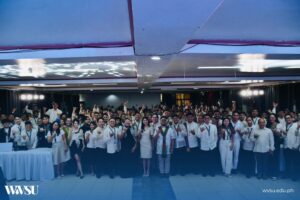
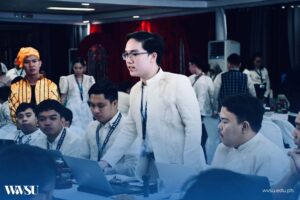
Showcasing West Visayas State University’s commitment to youth leadership and internationalization, Johnric G. Vargas—DagYoung Student Ambassador and Political Science student—represented Iloilo City and the entire Region VI as its lone delegate to the 13th National Youth Parliament (NYP) National Assembly held in Vigan City from November 18–20, 2025.
The National Youth Parliament, a biennial policy-making convention mandated by Republic Act 8044 or the Youth in Nation-Building Act, brings together exceptional young leaders from across the Philippines to craft informed, future-oriented policy recommendations. Echoing WVSU’s global outlook, the NYP fosters a culture of international cooperation, policy innovation, and youth engagement aligned with global development agendas such as the Sustainable Development Goals (SDGs) and international mobility frameworks.
Throughout the assembly, delegates examined youth issues through a global lens—economic empowerment, good governance, digital innovation, and greater mobility across cultures and borders—reflecting the increasingly interconnected role of youth in nation-building.
Vargas took on major leadership responsibilities that highlight his capacity to engage in both national and international youth development work. He served as the National Cluster Chairperson on Economic Empowerment and Global Mobility, Regional Vice Chairperson of the Committee on Governance, and was elected Regional Convener for the 13th NYP. He likewise contributed to the Philippine Youth Development Plan – Regional Inter-Agency Committee (PYDP-RIAC), ensuring that Western Visayas’ priorities resonate with broader cross-regional and global youth development perspectives.
Following the deliberations of the National Assembly, the 13th National Youth Parliament successfully passed key resolutions aligned with the 10 Centers of Youth Participation—selected from hundreds of proposals submitted by regional clusters nationwide. These recommendations strengthen youth involvement in governance, economic mobility, and strategic partnerships, echoing international best practices in policy-driven youth development.
These resolutions will be formally transmitted to the Philippine Congress and the Executive Branch for appropriate legislative and executive action, reinforcing NYP’s role as a national platform contributing to policy systems comparable to youth parliaments and councils across Asia and beyond.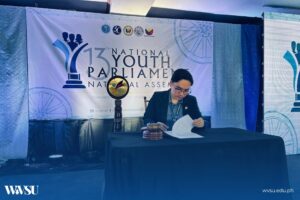
-
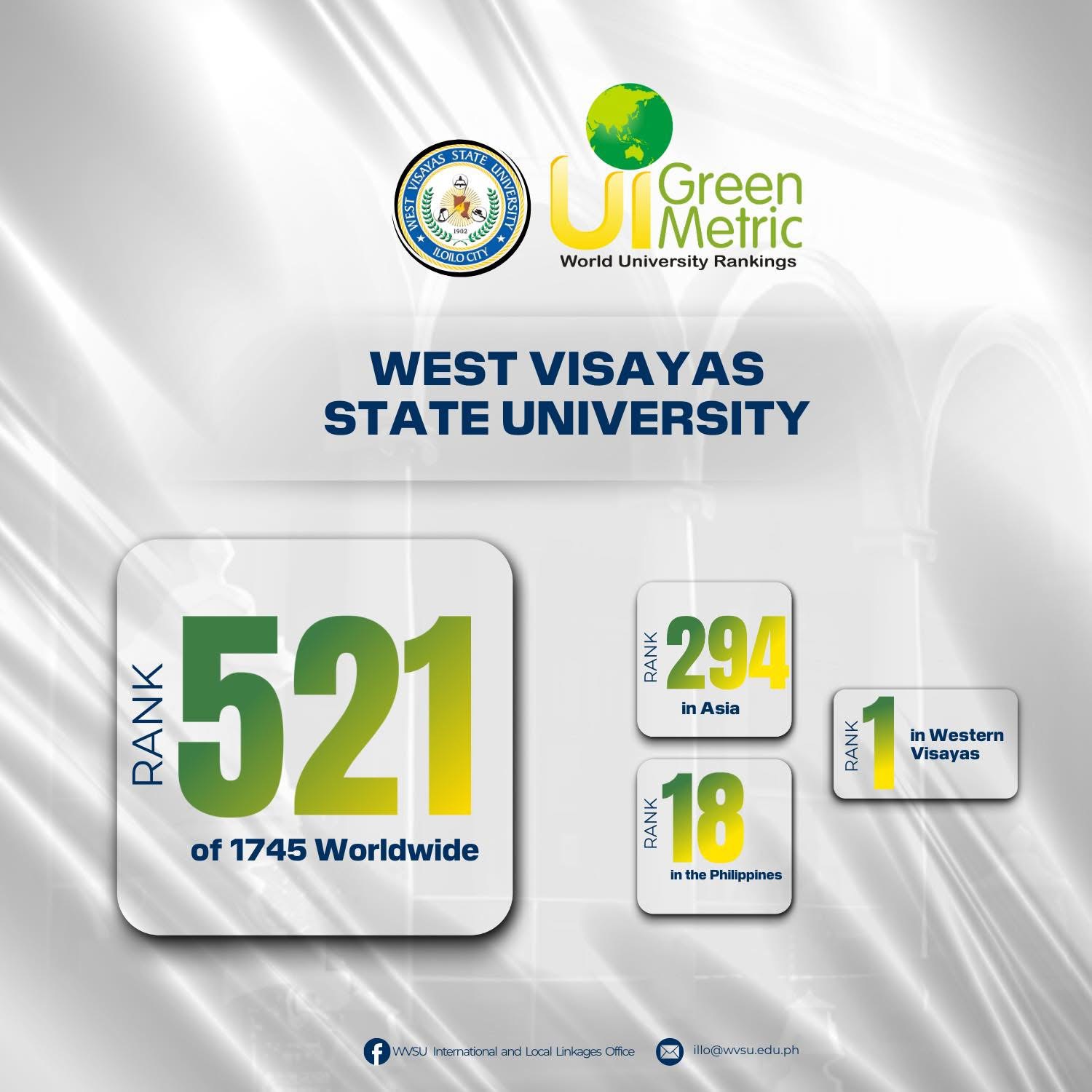
WVSU sets regional benchmark in UI GreenMetric 2025
West Visayas State University (WVSU) has climbed to World Rank 521 in the UI GreenMetric World University Rankings 2025, placing 1st in Region VI, 18th in the Philippines, and 294th in Asia, solidifying its standing as one of the country’s leading sustainable universities.
Now on its 15th edition, the UI GreenMetric World University Rankings assessed 1,745 institutions from 105 countries, making it the world’s largest university ranking focused on sustainability performance. This year introduces the theme “Advancing Sustainable Development Goals in Higher Education: Stories from Our Institutions and Communities,” highlighting how universities integrate sustainability in teaching, research, operations, and community engagement.
WVSU’s performance reflects its efforts across all six dimensions measured by UI GreenMetric—setting and infrastructure, energy and climate change, waste management, water conservation, transportation systems, and sustainability-focused education and research. These criteria, composed of 39 indicators, evaluate how universities manage their physical environment, implement green policies, conserve resources, reduce emissions, and embed sustainability into academic and community programs.
As WVSU continues to participate in the global UI GreenMetric network, its achievements contribute to broader national and international efforts to promote clean energy, climate action, sustainable development, and green innovation. The 2025 ranking offers both recognition and motivation for the university to enhance its programs and deepen its integration of sustainability within all aspects of institutional life. -
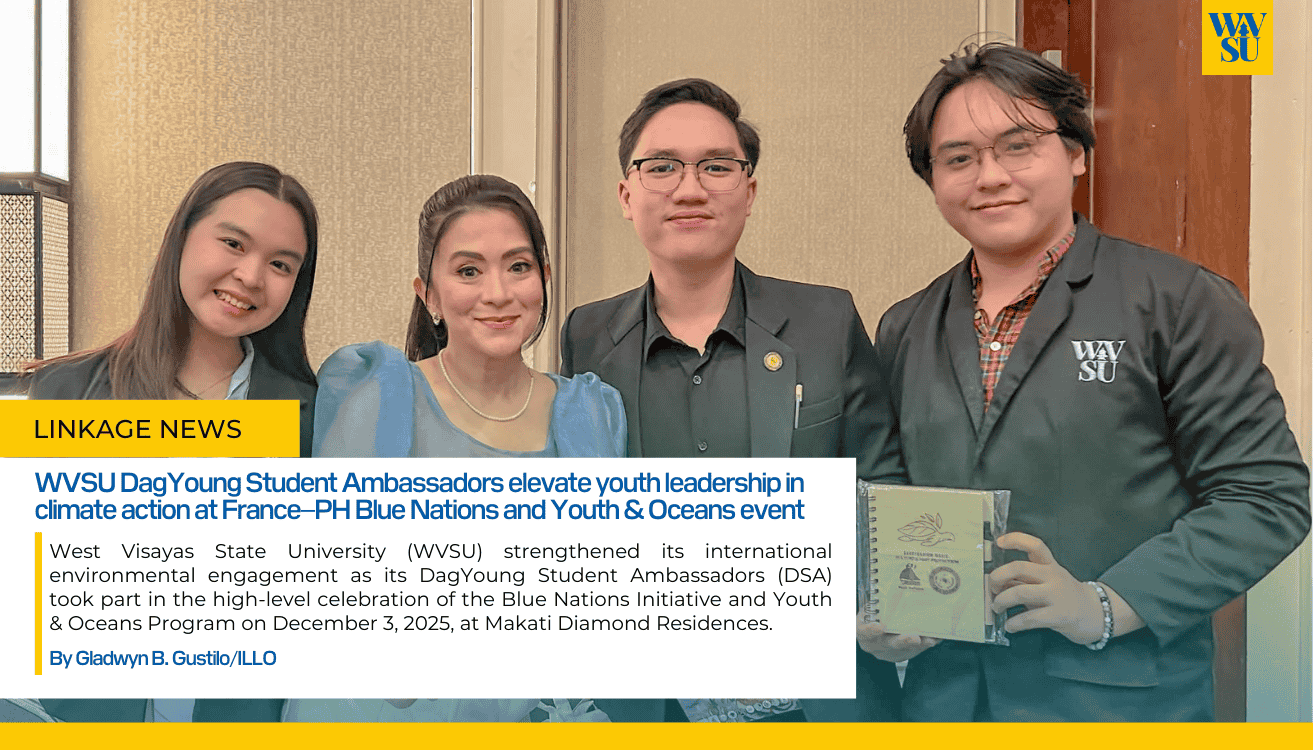
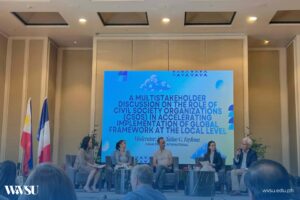
WVSU DagYoung Student Ambassadors elevate youth leadership in climate action at France-PH Blue Nations and Youth & Oceans event
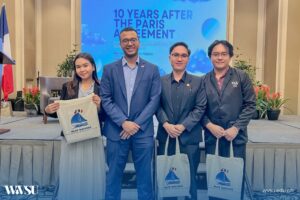
West Visayas State University (WVSU) strengthened its international environmental engagement as its DagYoung Student Ambassadors (DSA) took part in the high-level celebration of the Blue Nations Initiative and Youth & Oceans Program on December 3, 2025, at Makati Diamond Residences.
The event marked the culmination of a two-year partnership between France and the Philippines dedicated to advancing marine conservation and climate action. Held in commemoration of the 10th anniversary of the Paris Agreement (COP21), the gathering highlighted the achievements of both the Blue Nations Initiative and the Youth & Oceans Program, which has supported eleven civil society projects across the country in mobilizing grassroots environmental action.
Representing WVSU were DSA Chairperson Aihrich M. Toreres, Special Projects Coordinator Johnric G. Vargas, and Education and Training Coordinator Amabela Fiona Le B. Benid, who showcased the university’s flagship marine conservation program, Sanctuarium Maris. Funded by the Embassy of France to the Philippines and Micronesia, the project positions WVSU’s student ambassadors, the internationalization arm of the university’s International and Local Linkages Office (ILLO).
During the program, Her Excellency Marie Fontanel, Ambassador of France to the Philippines, reaffirmed France’s commitment to strengthening bilateral cooperation with the Philippine government, emphasizing new opportunities for collaboration in strategic sectors ahead of France’s assumption of the G7 Chairmanship in 2026. The WVSU delegation also met His Excellency Gilberto Fonseca Guimarães de Moura, Ambassador of Brazil to the Philippines, who expressed support for youth-led conservation initiatives and coastal protection efforts.
Since its launch in January 2025, the Sanctuarium Maris project has conducted a series of capacity-building activities for the Tigbauan coastal community. These include training on sea turtle biology, conservation and rescue protocols, artificial nest net-making, and simulations for nest protection. The project also held a workshop on drafting environmental ordinances aimed at institutionalizing local conservation efforts.
A significant outcome of this initiative is the passage of Barangay Atabayan Ordinance No. 2025-004, titled “An Ordinance Creating a Sea Turtle Nest Protection Program, Providing Guidelines for Conservation and Appropriating Funds Thereof.” With guidance from the WVSU College of Law, the ordinance established a legal framework that now strengthens sea turtle conservation efforts in the Tigbauan coastline.
The event concluded with a Cocktail and Civil Society Networking Session, where WVSU presented visibility materials and project outputs, highlighting the university’s growing role in youth-driven climate action and marine conservation. Through its continued participation in global environmental initiatives, WVSU reaffirms its commitment to building resilient communities, empowering local leaders, and fostering globally engaged student advocates for sustainable development.
-
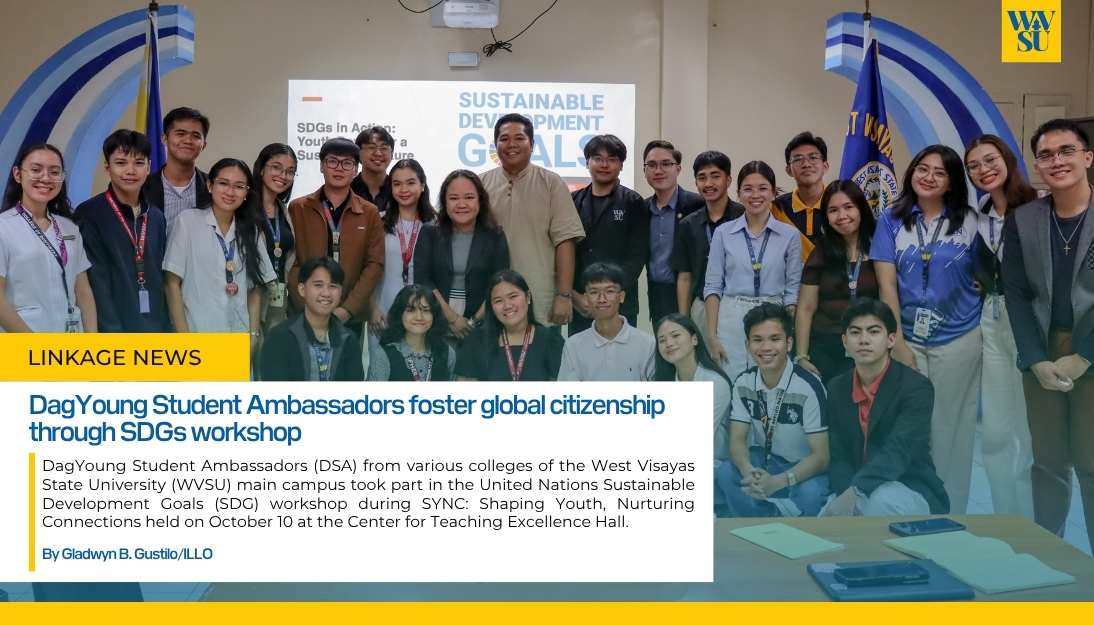
Dagyoung Student Ambassadors foster global citizenship through SDGs workshop
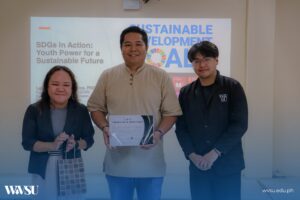
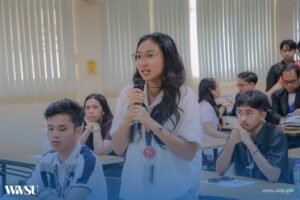
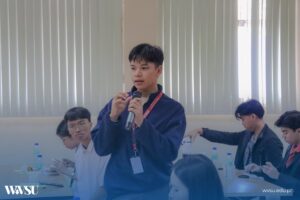
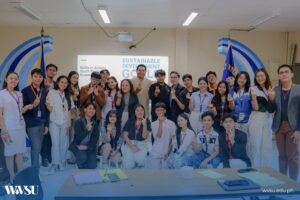
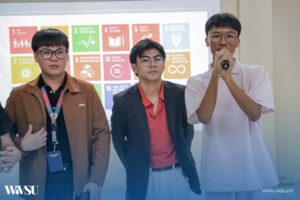
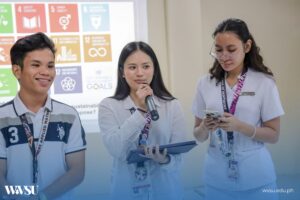
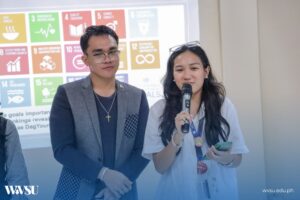
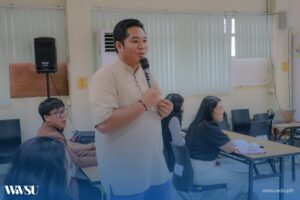
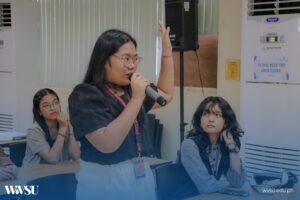
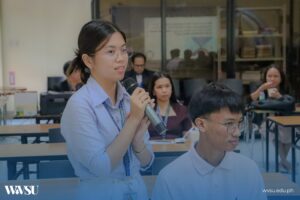
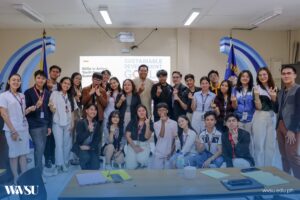
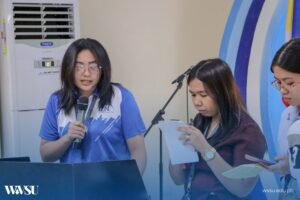
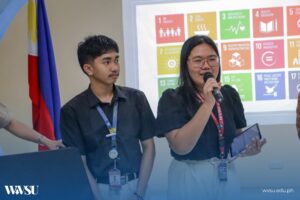
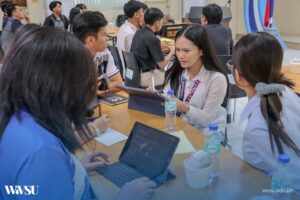
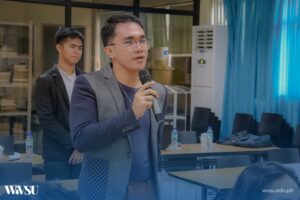
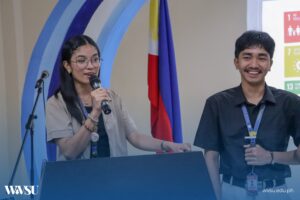
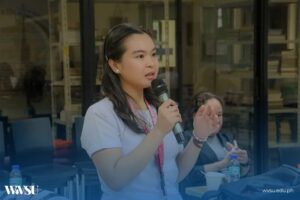
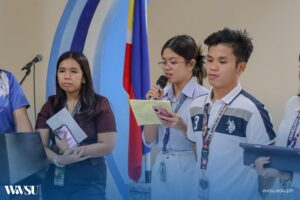
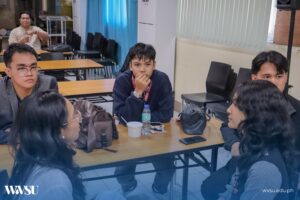
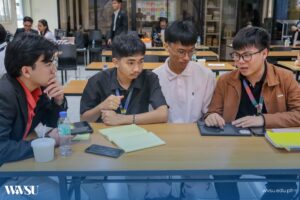
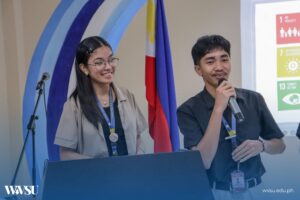
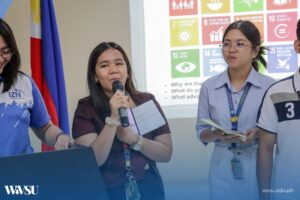
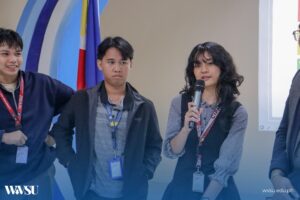
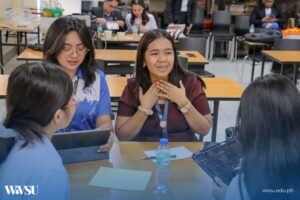
DagYoung Student Ambassadors (DSA) from various colleges of the West Visayas State University (WVSU) main campus took part in the United Nations Sustainable Development Goals (SDG) workshop during SYNC: Shaping Youth, Nurturing Connections held on October 10 at the Center for Teaching Excellence Hall.
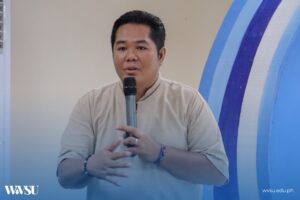
Dr. Louis Placido F. Lachica, WVSU Focal Person for the United Nations Sustainable Development Solutions Network (UN SDSN) initiatives, served as the resource speaker for the session.
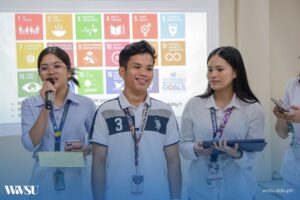
He discussed the 17 Sustainable Development Goals (SDGs) and their significance in addressing issues such as poverty, education, equality, and climate change. Dr. Lachica also emphasized how student ambassadors can contribute by integrating SDG-oriented values and communication into their campus and community initiatives.
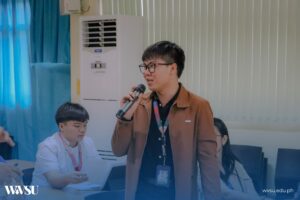
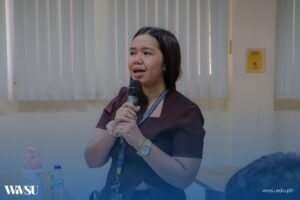
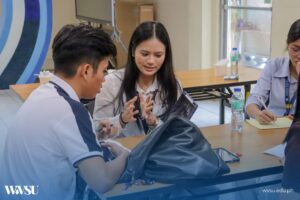
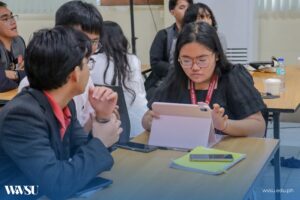
One of the highlights of the session was the “Rank the Goals” workshop, where participants formed small groups and ranked the 17 SDGs according to what they believed were the most urgent for today’s generation. Each group presented their top three priorities, which led to meaningful exchanges of ideas on pressing youth and global concerns.
The ambassadors also shared personal insights on which goals resonated with them most and why they believe these goals must be addressed in today’s world.
Through the workshop, the DSAs strengthened their understanding of global issues and reaffirmed their commitment to becoming advocates of sustainable change—living out the essence of youth leadership with purpose and responsibility.
By Gladwyn B. Gustilo/ILLO
-
WVSU delegates receive recognition at PASUC VI-Extension Managers’ Council for leadership and innovation in extension papers
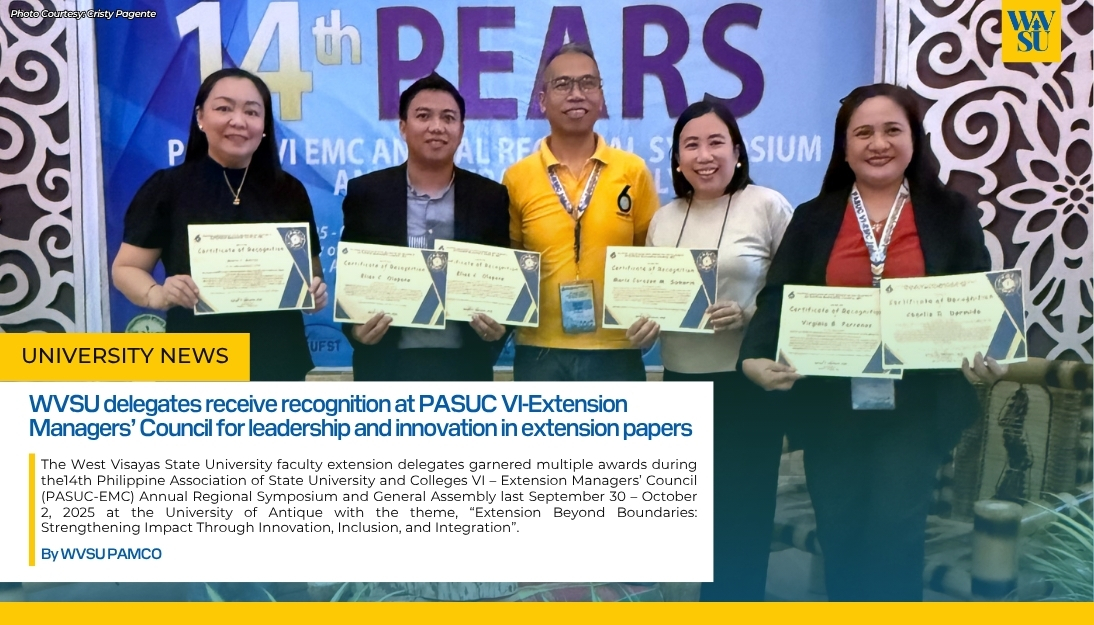
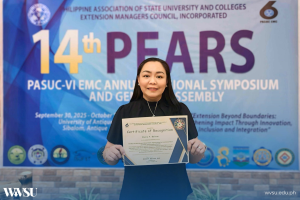
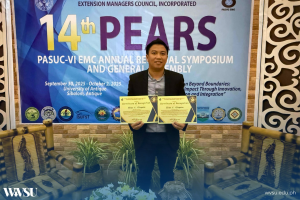
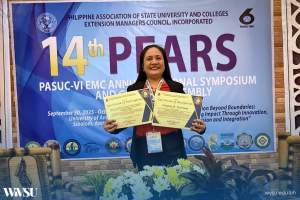
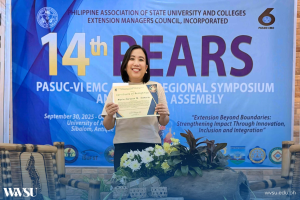
The West Visayas State University faculty extension delegates garnered multiple awards during the14th Philippine Association of State University and Colleges VI – Extension Managers’ Council (PASUC-EMC) Annual Regional Symposium and General Assembly last September 30 – October 2, 2025 at the University of Antique with the theme, “Extension Beyond Boundaries: Strengthening Impact Through Innovation, Inclusion, and Integration”.
Among the delegates who presented their paper, Dr. Elias C. Olapane from WVSU Calinog Campus received Best Paper and Best Presenter awards in the Transformative Education, Culture and Social-Behavioral Sciences cluster, with co-project leader Dr. Mary Jean Cataluña in their paper, “UpSKilling DepEd Teachers Research-Led Teaching Through a Capability Training Series”.
Similarly, Dr. Maria Corazon M. Samorin from the College of Business and Management, secured 2nd place in the Best Extension Paper category for her work titled “Empowering Transport Cooperatives through Innovative Extension: Insights from Project ITTC” under the Environmental Stewardship, Climate Action, and Circular Economy category. Another notable award is from WVSU Pototan Campus, where Dr. Charlie Domido secured 3rd place for Best Extension Paper in the Environmental Stewardship, Climate Action, and Circular Economy category.
Additionally, Dr. Virginia B. Parreñas, also from WVSU Pototan Campus, earned 3rd place in the Community-Based Health, Nutrition, and Wellness category. Meanwhile, the documentary Rays of Hope was awarded Best Video Documentary, with Prof. Sheila P. Beliran from the College of Nursing serving as the Project Leader.
In addition, research presenters—Dr. Jovie L. Caballero from Calinog Campus, and Dr. Pauline M. Torion along with Prof. Joenarex N. Bautista from Janiuay Campus—presented their respective extension papers. Panel evaluators from the university consists of Prof. Sheila P. Beliran, Dr. Julie Gay B. Quidato, Dr. Alma Jean A. Subong, and Dr. Raymund B. Moreno.
Also present during the symposium and awarding ceremony was Dr. Ricky P. Becodo, the Director of the University Development Center and Chairman of PASUC VI EMC, Inc., demonstrating strong institutional support.
This symposium exemplifies the university’s ongoing dedication to fostering innovative projects that benefit and uplift the community.
#WVSUTransformingGenerations #WVSUexcels
Photo Courtesy: Cristy Pagente
By WVSU PAMCO
-
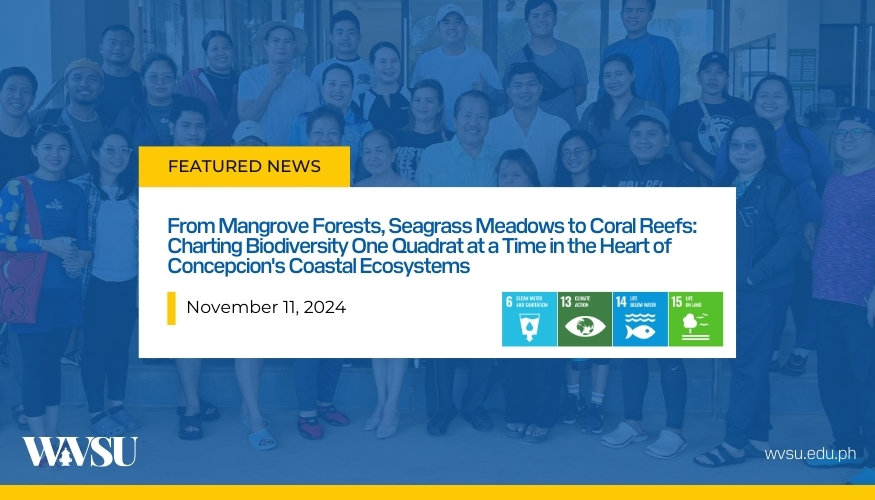
From Mangrove Forests, Seagrass Meadows to Coral Reefs: Charting Biodiversity One Quadrat at a time in the Heart of Concepcion’s Coastal Ecosystems
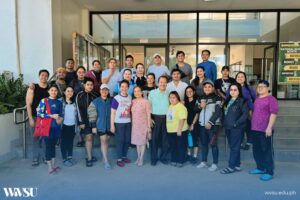
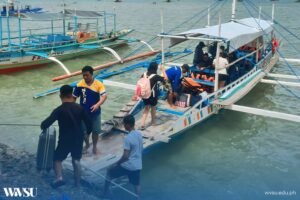
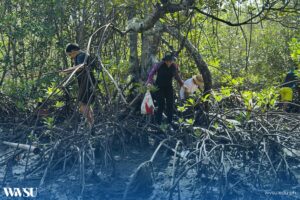
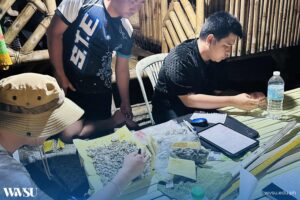
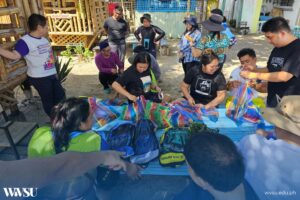
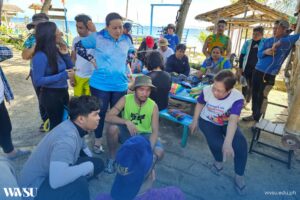
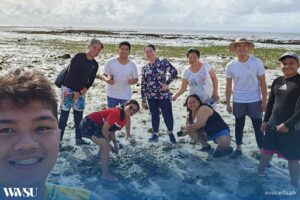
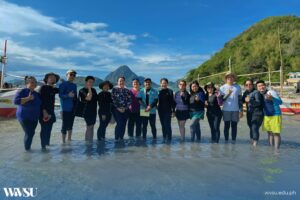
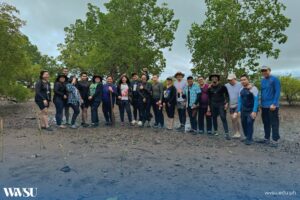
Ph.D. Science Education major in Biology students from West Visayas State University-La Paz conducted an extensive three-part field study focused on assessing the health and biodiversity of mangrove, seagrass, and coral ecosystems in the Municipality of Concepcion, Iloilo, on Nov. 3-4, 2024. This activity is part of their course, SCI 629: Advanced Marine Ecology, under the guidance of Dr. Josette T. Biyo.
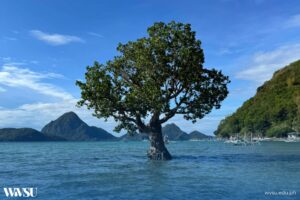
The first part of the study, titled “Assessment of Mangrove Community Structure in Two Study Areas of Concepcion, Iloilo, Philippines,” aimed to describe and compare the ecological framework of two distinct sites: Brgy. Bacjawan Sur and Sitio Pasil, Brgy. Malangabang coastal areas. The research team collected data on species composition, species density, regeneration rates, ambient parameters, cohabiting organisms, and human impacts in these areas.
The second part, “Community Structure of the Seagrass Ecosystem in the Intertidal Zones of Concepcion, Iloilo,” explored the ecological characteristics of seagrass beds in the same sites by measuring parameters such as species composition, species density, biomass, presence of epiphytes, and human-induced disturbances.
Finally, the third part, “Biodiversity Assessment of Coral Reefs Regenerated a Decade After Typhoon Yolanda Destruction at Malangabang, Concepcion, Iloilo, Philippines,” evaluated coral regeneration in terms of hard and soft coral composition, recruitment, percent cover, and the health of the coral reef ecosystem, considering both keystone and harmful species, as well as economically valuable invertebrates.
In the first activity, participants used the quadrat sampling method (10 m x 10 m) in five sampling sites to obtain a representative ecological survey of mangrove biodiversity in the study sites. The findings indicated greater diversity of mangrove species in Sitio Pasil, Brgy. Malangabang, an island setting, compared to Brgy. Bacjawan Sur on the mainland. Prominent species included Rhizophora apiculata, Avicennia marina, and Sonneratia alba. Other notable organisms observed in the mangrove area included periwinkle snails, hermit crabs, fire ants, egrets, and ruddy turnstones. The contrast in species density and regeneration between the two sites provides insights into the differing ecological pressures and conditions on the island versus the mainland, informing conservation strategies for each habitat.
In the second activity, researchers employed the random core sampling technique with a total of 25 replicates to assess seagrass ecosystems. The results revealed that Brgy. Malangabang had richer seagrass biodiversity, with species such as Enhalus acoroides, Halodule uninervis, and Halophila ovalis thriving in the intertidal zones, while only Enhalus acoroides was present in Brgy. Bacjawan Sur. The significant variation in species composition and density between the two sites emphasizes the need for localized management efforts that account for site-specific ecological dynamics, especially given the environmental pressures that can impact the resilience of these vital ecosystems.
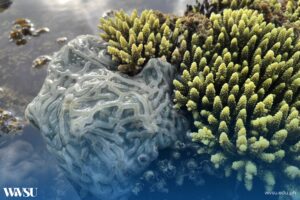
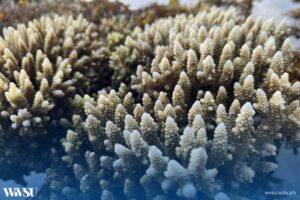
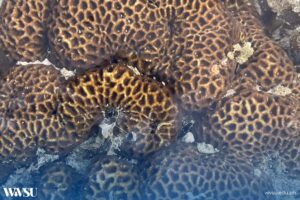
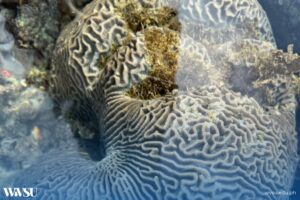
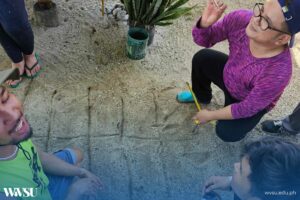
The third activity employed quadrat sampling (1 m x 1 m) along a 50 m transect line in five locations to analyze coral reef biodiversity. Data indicated that the coral reefs in Sitio Malangabang support an abundant variety of species, including Brain coral (Leptoria), Moon coral (Acanthastrea), Staghorn coral (Acropora), Plate coral (Montipora capricornis), Green horn coral (Hydnophora), and Leather coral (Sarcophyton). The presence of corallivores like Drupella snails and sea urchins (Diadema setosum), which can damage reef structures, highlights the challenges these reefs face as they recover from the impacts of Typhoon Yolanda. During the study, participants also interviewed locals to better understand human activities that affect these ecosystems. Key disturbances included aquaculture, agriculture, conversion of mangrove forests into residential land, wastewater discharge, and plastic pollution.
This field study underscores the delicate balance of these coastal ecosystems and the pressing need for effective conservation strategies. With increasing anthropogenic pressures, sustainable management and community engagement are critical to preserving the biodiversity and ecological functions of mangroves, seagrasses, and coral reefs in Concepcion, Iloilo. The findings call for collaborative action among local stakeholders, conservationists, and policymakers to protect these ecosystems, which are invaluable to both biodiversity and the livelihood of coastal communities.
The researchers would like to express their heartfelt gratitude to everyone who contributed to the success of their field study. They sincerely appreciate the warm welcome and support extended by Mayor Milliard Villanueva. They also wish to acknowledge Mr. Mark Rufino, CRMO-DA, and Ms. Je Johann Velasco, DA representative, for their invaluable cooperation.
Finally, the class extends their deepest thanks to the people of Brgy. Malangabang for their kindness and generosity. Your efforts made this study possible, and we are truly appreciative of all your contributions. | Text by Patrick John M. Paniza, student of Doctor of Philosophy in Science Education (Biology), WVSU College of Education Graduate School| Photos by Jayson I. Gula, Joven J. Loja, JM Abilo, and Angilleca C. Tolones