WVSU

Tag: 9

BUILD RESILIENT INFRASTRUCTURE, PROMOTE INCLUSIVE AND SUSTAINABLE INDUSTRIALIZATION AND FOSTER INNOVATION.

A functioning and resilient infrastructure is the foundation of every successful community. To meet future challenges, our industries and infrastructure must be upgraded. For this, we need to promote innovative sustainable technologies and ensure equal and universal access to information and financial markets. This will bring prosperity, create jobs and make sure that we build stable and prosperous societies across the globe.

  • WVSU CICT faculty member joins TESDA Iloilo advisory council

    WVSU CICT faculty member joins TESDA Iloilo advisory council

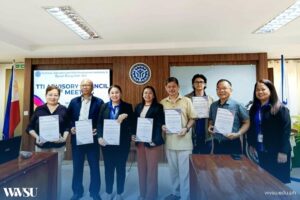
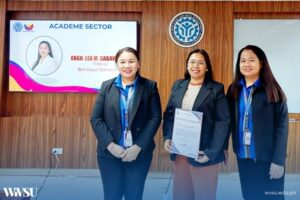
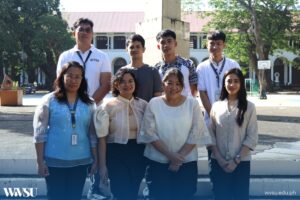
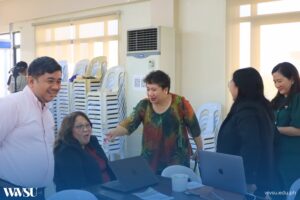
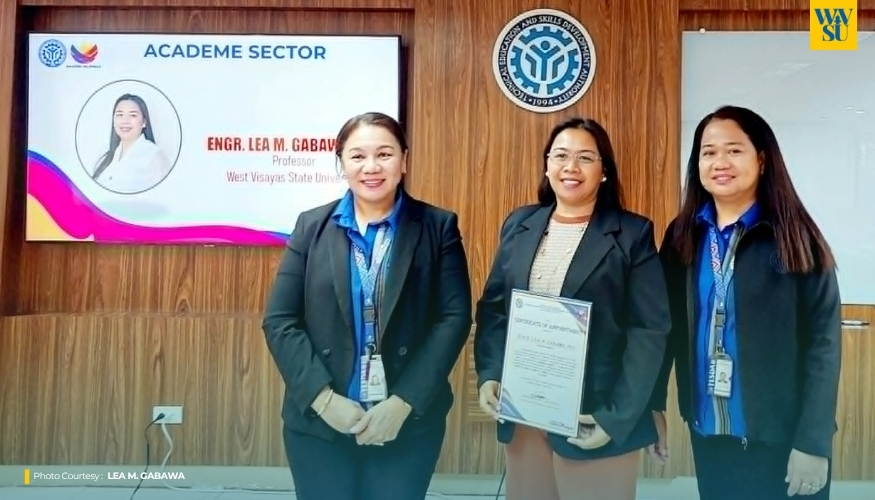
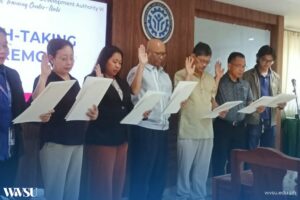
    Dr. Lea M. Gabawa, a faculty member of the College of Information and Communications Technology (CICT) of West Visayas State University (WVSU), took her oath as an appointed member of the Technical Education and Skills Development Authority (TESDA) Technology Institutions (TTI) Advisory Council of the Regional Training Center (RTC) Iloilo on Apr. 27, 2026.

    The oath-taking ceremony and first council meeting were held at the RTC Iloilo in Zamora-Melliza, Iloilo City, marking the start of her three-year term from 2026 to 2029. She represents WVSU in the academe sector.

    The council is mandated to provide policy advice and strategic guidance and to strengthen networks for RTC Iloilo. It also adopts a holistic approach to sectoral needs to help address and prevent skills mismatch in local industries.

    During the meeting, members proceeded with the oath-taking, approved the 2026 TTI Advisory Council annual plan, received updates on the TESDA Innovation Center, and provided inputs on various TESDA directives.

    Gabawa’s appointment highlights her leadership in research and innovation. She is the president of the Mechatronics and Robotics Society of the Philippines – Western Visayas Chapter, where she advances initiatives in innovation, automation and mechatronics—areas aligned with the direction of the newly launched regional TESDA Innovation Center.

    She also serves as the CICT Gender and Development Focal Person representing in WVSU, contributing to the integration of gender-responsive approaches in university programs and initiatives.

    Her role in the advisory council reinforces collaboration between the academe and industry in developing a more responsive and future-ready workforce in Western Visayas.

  • WVSU hosts BIZCON 2026, spotlights Ilonggo gastronomy through innovation talks

    WVSU hosts BIZCON 2026, spotlights Ilonggo gastronomy through innovation talks

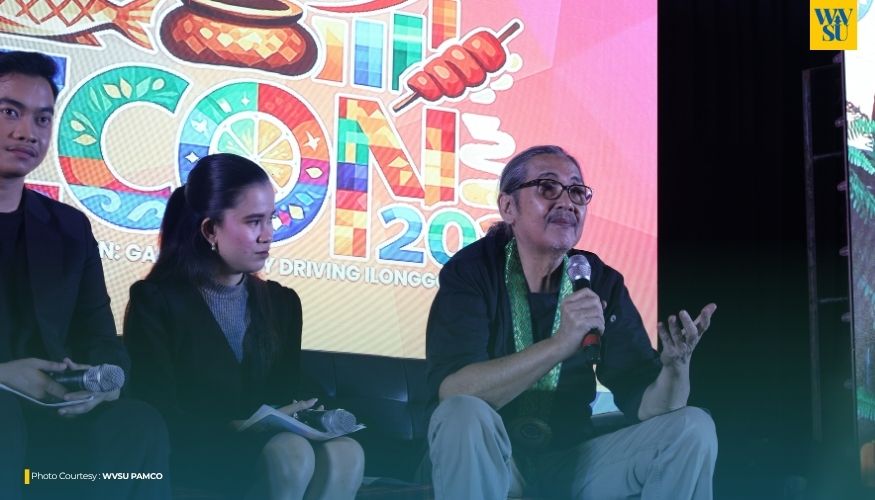
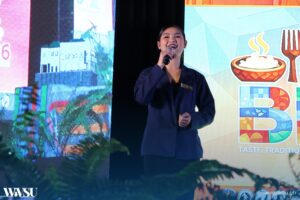
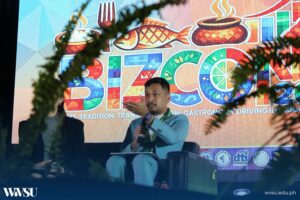
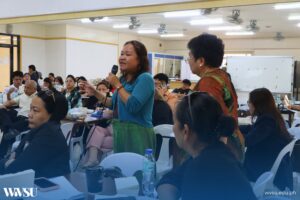
    West Visayas State University (WVSU), through its College of Business and Management (CBM), hosted the 3rd BIZCON on Mar. 27-28 at the WVSU Cultural Center, with the second day focusing on innovation talks that highlighted Ilonggo gastronomy as a driver of enterprise and creative development.

    Carrying the theme “Taste, Tradition, Transformation: Gastronomy Driving Ilonggo Innovation,” the convention gathered students, faculty, and industry practitioners to explore how local cuisine can shape sustainable businesses and strengthen regional identity.

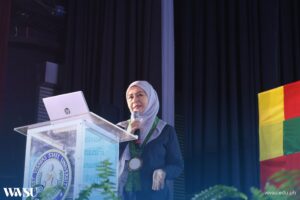
    Industry experts led discussions on topics such as sustainable SME financing, culinary branding, and food tourism. Invited speakers included Prof. Ts. Dr. Shafinaz Binti Ismail, Chef Tibong Jardeleza, Ms. Natalie Lim, Chef Cidj Jalandoni, and Mr. Daniel Agan, who shared insights on scaling local enterprises and positioning Ilonggo products in competitive markets.

    The talks provided participants with practical perspectives on bridging academic knowledge with industry demands, encouraging innovation rooted in local culture and resources. The program concluded with engagement activities and an awarding ceremony recognizing outstanding participants.

    The innovation talks followed a series of competitions held on the first day of the convention, including the Ilonggo Cuisine Innovation Showdown, business pitching, table skirting with centerpiece making, and food itinerary development.

    Through BIZCON 2026, WVSU reaffirmed its commitment to fostering creativity, entrepreneurship, and cultural appreciation, equipping students and stakeholders to develop sustainable, homegrown solutions for regional growth.

  • WVSU shares transport arrangements, personnel updates in flag ceremony

    WVSU shares transport arrangements, personnel updates in flag ceremony

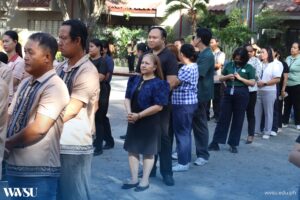
    West Visayas State University (WVSU) announced key personnel activities and transport arrangements during its flag-raising ceremony on Mar. 23 at Jubilee Park, led by the University Learning Resource Center headed by Dr. Elra Di M. Madalogdog.

    Among the announcements for the week is the annual general assembly of members of the University Non-Teaching Personnel Organization (UNPO), scheduled on Mar. 24. The activity, led by Ms. Joy Fullo, will also include the election of new UNPO officers.

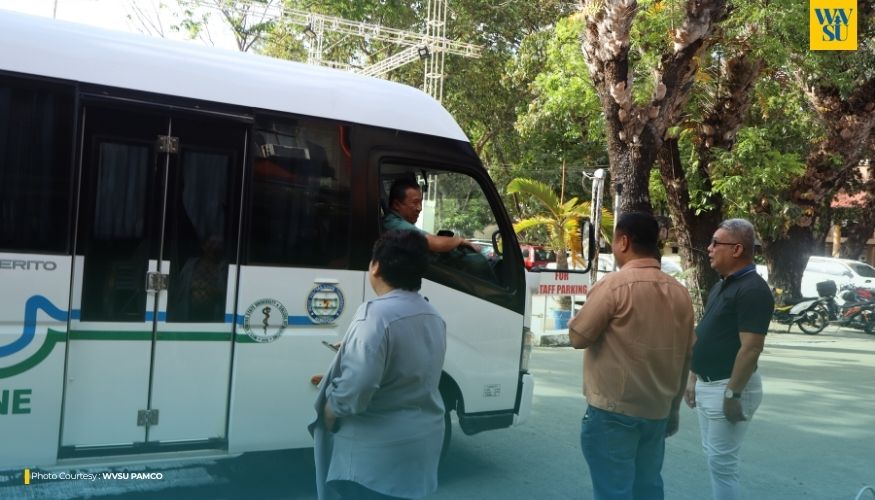
    Vice President for Administration and Finance Dr. Peter Ernie Paris reiterated the resumption of the compressed four-day work week and emphasized the availability of service vehicles for University and University Medical Center personnel in light of the transportation holiday declared on the day of the ceremony.

    Paris encouraged personnel to avail of the transport service, noting that return trips will be provided, with designated pick-up in front of the Administration Building at 7:15 p.m.

    The announcements form part of the University’s continuing efforts to ensure operational continuity and support for personnel amid evolving work arrangements.

  • WVSU presents Strategic Development Plan 2026-2035 to university leaders

    WVSU presents Strategic Development Plan 2026-2035 to university leaders

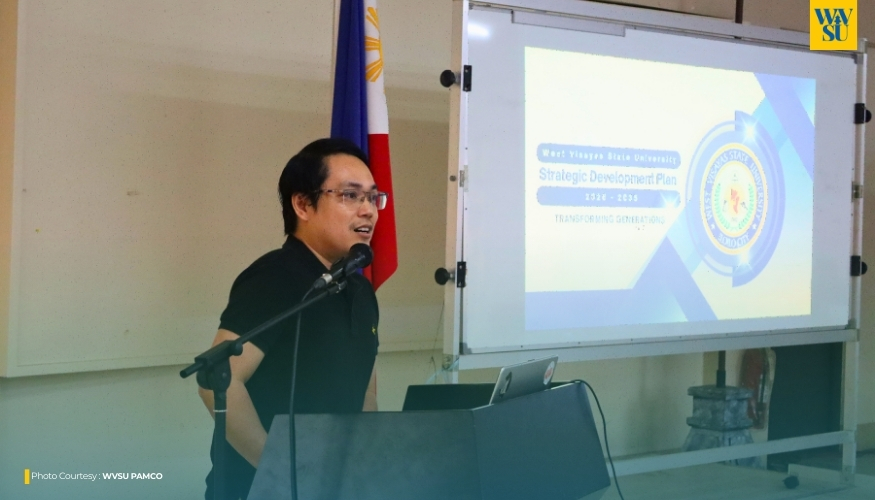
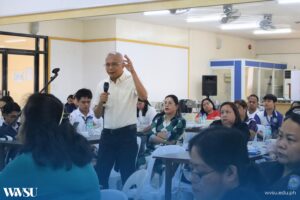
    West Visayas State University (WVSU) convened its vice presidents, college deans, unit heads, student representatives, and invited industry partners for a Stakeholders Orientation on the WVSU Strategic Development Plan (SDP) 2026-2035 on Mar. 10, outlining the University’s long-term direction for strengthening instruction, research, extension, and institutional development.

    The 10-year strategic plan, developed over two years through consultations and collaborative planning with key stakeholders, sets the framework that will guide the University’s programs, initiatives, and resource priorities in the coming decade.

    The orientation was led by the University Planning and Development Office (UPDO), headed by Director Dr. Reymund Flores, who presented the plan’s strategic framework and key goals.

    Central to the plan is WVSU’s vision of becoming “a global research university that shapes generations,” supported by its mission to empower lifelong learners as agents of value while delivering impactful research, responsive extension programs, and compassionate healthcare services.

    During the orientation, WVSU also officially launched its new institutional tagline, “Transforming Generations,” which will guide the University’s direction moving forward. The tagline reflects WVSU’s continuing commitment to ensure that its tradition of excellence leads to meaningful impact by shaping individuals, communities, and future generations.

    Among the plan’s key directions is strengthening the University’s internationalization efforts by expanding institutional partnerships and enhancing global visibility. The plan also prioritizes improving teaching and learning, advancing knowledge generation through research, strengthening extension and healthcare services, supporting mission-driven institutional operations, diversifying resource generation, and reinforcing quality assurance systems.

    UPDO Planning Officer Michael Gervero presented the strategic roadmap and Gantt chart outlining how the University will operationalize the plan from 2026 to 2035, translating strategic goals into concrete initiatives and timelines across campuses, colleges, and administrative units.

    Unlike planning cycles aligned with administrative terms, the Strategic Development Plan spans a full decade to ensure continuity in institutional priorities and sustained progress regardless of leadership transitions.

    Through the SDP 2026-2035, WVSU seeks to align its policies, programs, and resources toward strengthening its role as a research-driven university while continuing to serve students, communities, and partner institutions.

  • WVSU expands regional engagement at ASCC High-Level Forum 2026

    WVSU expands regional engagement at ASCC High-Level Forum 2026

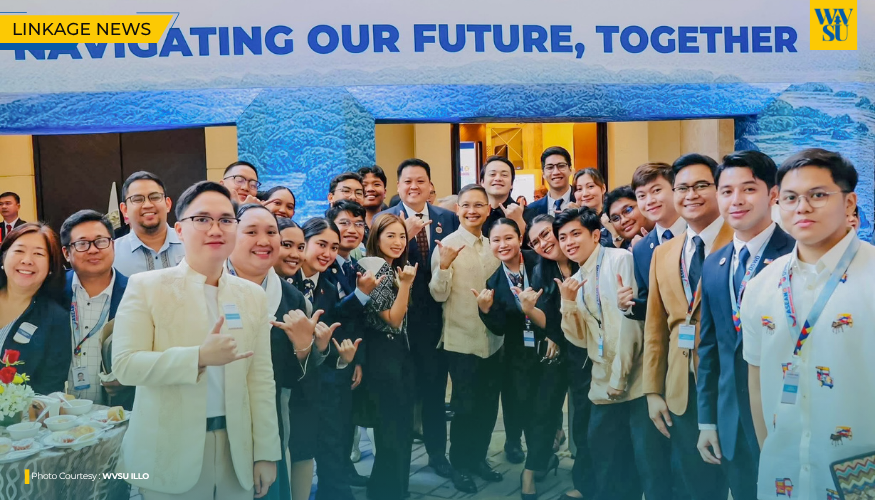
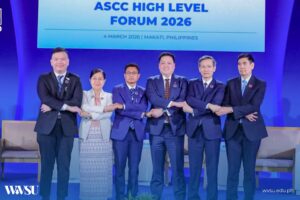
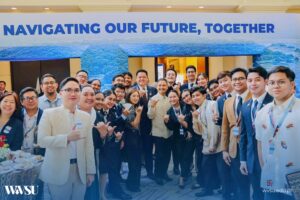
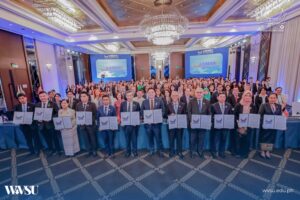
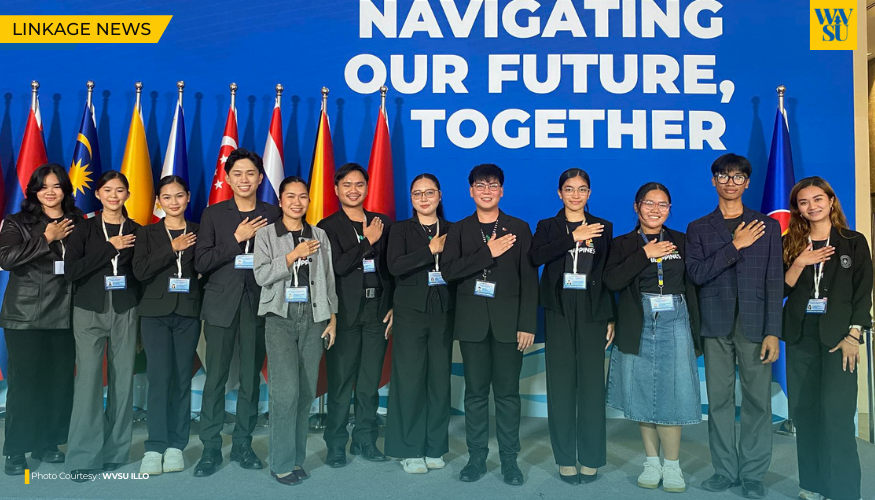
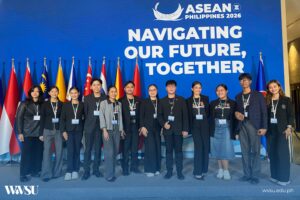
    West Visayas State University took part in the ASEAN Socio-Cultural Community High-Level Forum 2026 on March 4, 2026 at The Peninsula Manila, joining regional leaders and stakeholders in discussions aimed at strengthening a resilient and people-centered ASEAN Community.

    The forum was organized by the Department of Social Welfare and Development (DSWD), which currently chairs the ASEAN Socio-Cultural Community pillar under the Association of Southeast Asian Nations (ASEAN) as part of the Philippines’ ASEAN Chairship in 2026.

    Ms. Edel Carmela Subong-Csoka, Director of the International and Local Linkages Office, represented WVSU as part of the Philippine higher education delegation endorsed by the Commission on Higher Education (CHED).

    Discussions focused on identifying actionable strategies to advance a resilient, cohesive, and people-empowered ASEAN while strengthening cooperation across the political-security, economic, and socio-cultural pillars of the regional bloc.

    Meanwhile, Mr. Johnric Vargas, Special Projects Coordinator of DagYoung Student Ambassadors, also attended the forum, representing the youth sector through the National Youth Commission. His participation highlighted the role of young leaders in shaping inclusive and future-ready pathways toward the implementation of the ASEAN Community Vision 2045.

    Through its participation, WVSU reaffirmed its commitment to international engagement and regional cooperation, contributing to ongoing conversations that aim to empower ASEAN citizens and strengthen collaborative solutions to shared challenges.

    By Gladwyn B. Gustilo/ILLO

  • WVSU disposes 3.3 metric tons of old records in first joint campus-wide initiative

    WVSU disposes 3.3 metric tons of old records in first joint campus-wide initiative

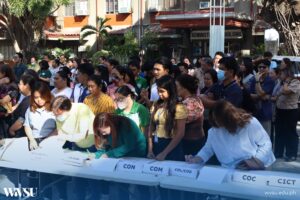
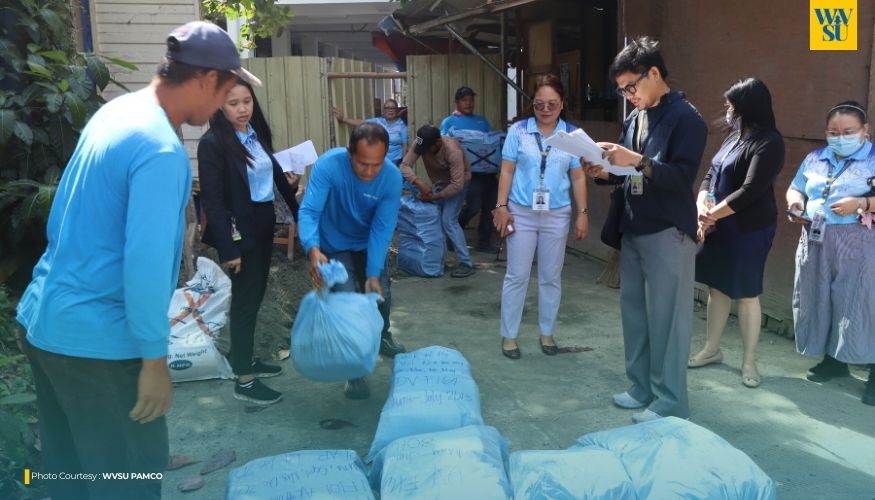
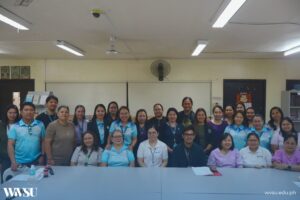
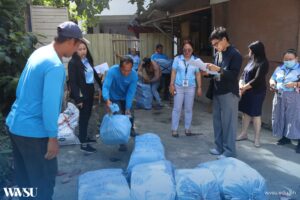
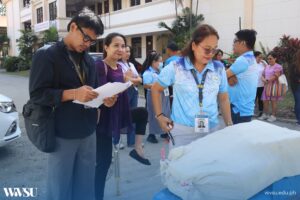
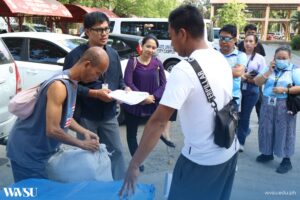
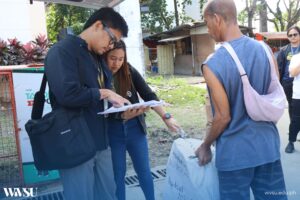
    West Visayas State University (WVSU) disposed of 3,330 kilograms of valueless records on March 4, 2026, in a university-wide activity that, for the first time, included its satellite campuses. 

    The disposal was led by the WVSU Records Office headed by Ms. Jeany Garque and forms part of the University’s continuing efforts to strengthen records management and ensure compliance with national government regulations.

    Records personnel from the main campus and members of the Records Management Improvement Committee from satellite campuses participated in the activity.

    Supervising the disposal was National Archives of the Philippines (NAP) representative Mr. Jhonley Joseph Item, Records Management Analyst II, who ensured that the activity followed national guidelines on the disposition of government records.

    Prior to disposal, the records were evaluated and identified as valueless or non-current documents that had already exceeded their prescribed retention periods under government records management guidelines. In government agencies, such records may be disposed of only after proper inventory, evaluation and authorization to safeguard accountability and transparency.

    The disposal was carried out through sale to NAP-accredited buyer D’Lacoste Enterprise, following standard procedures. 

    University officials said the joint participation of satellite campuses marks a milestone in institutionalizing uniform records management practices across WVSU.

    Through the initiative, WVSU aims to improve office efficiency, free up storage space, and reinforce responsible records lifecycle management while promoting good governance and compliance with national standards on public records administration.

  • CHED RAISE 2026 concludes with AI policy commitment and industry insights

    CHED RAISE 2026 concludes with AI policy commitment and industry insights

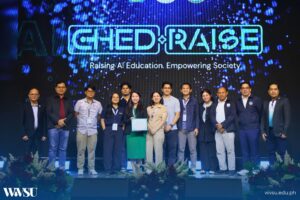
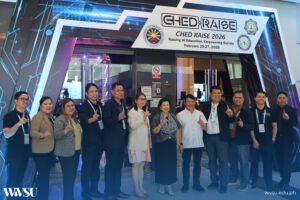
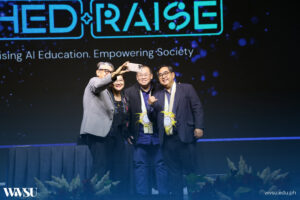
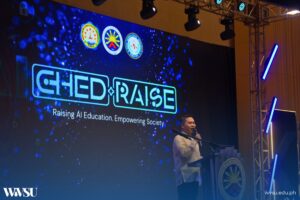
    West Visayas State University (WVSU) joined higher education leaders, industry partners, and policymakers as the Commission on Higher Education (CHED) Responding through AI for Societal Empowerment (RAISE) 2026 national summit concluded Feb. 27 at the Iloilo Convention Center.

    Mounted by CHED, in partnership with Northern Iloilo State University (NISU) and WVSU, the three-day summit culminated with discussions on democratizing AI skills, strengthening graduate employability, and formalizing a shared commitment to a draft AI policy for education — reinforcing the call for responsible and inclusive artificial intelligence integration across Philippine higher education.

    Dr. Randy S. Gamboa of the CHED Technical Panel for Information Systems opened the morning program with welcome remarks and a recap of Day 2, highlighting key insights on workforce readiness and institutional alignment.

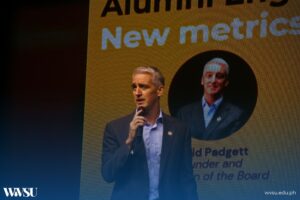
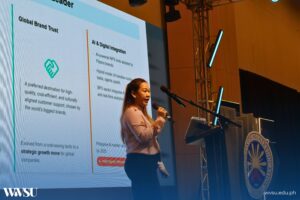
    Global and industry perspectives followed. Yean Feng Yue, corporate social responsibility head of IBM Asia-Pacific, delivered “Democratizing AI Skills: How IBM Is Helping to Close the Digital Divide,” emphasizing access to AI education and digital inclusion initiatives. David Padgett, founder and chairman of the board of SeeMeSOL, presented “Accelerating Graduate Employability, Advancing National Productivity,” underscoring the role of AI-enabled platforms in improving career pathways and workforce outcomes.


    Joan Michelle Dela Paz, talent acquisition manager of TTEC Iloilo, discussed “From Call Centers to AI-Enabled Global Experience Hubs: The Shift in Customer Experience,” highlighting evolving industry expectations and the growing demand for AI-integrated competencies among graduates.

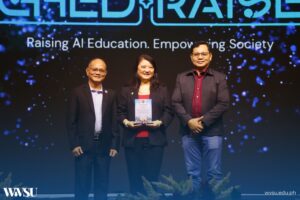
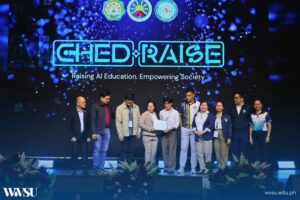
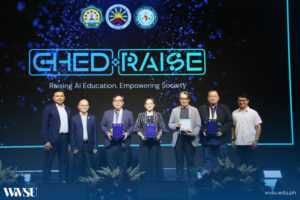
    The program also included the awarding of certificates to participating exhibitors from various CHED regional offices and industry partners, recognizing their contributions to the summit’s exhibit component, which remained open to participants throughout the day.

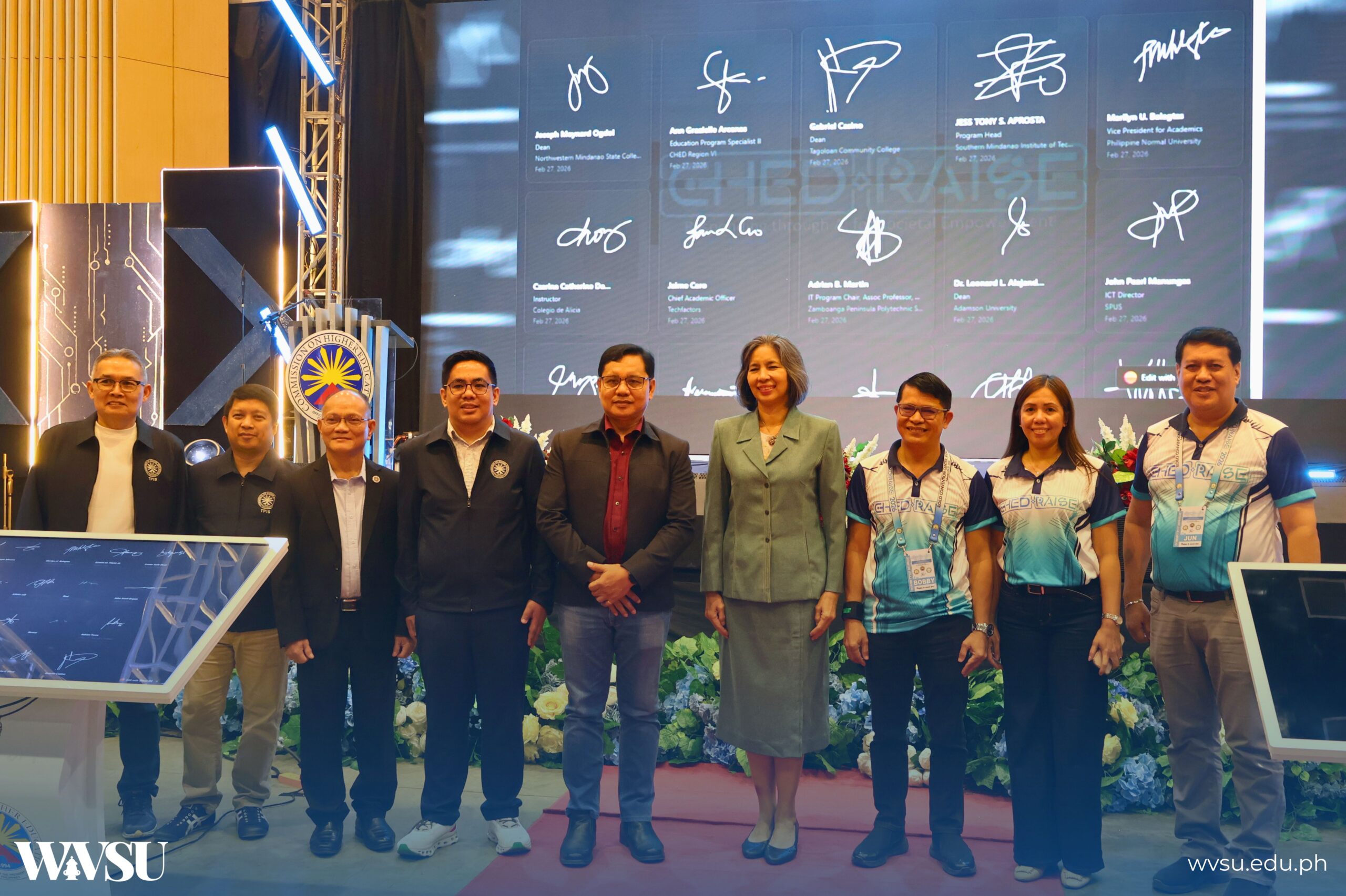
    A major highlight of the closing program was the presentation of the Draft AI Policy in Education by Sherwin M. Pelayo, executive director of the Analytics Association of the Philippines. This was followed by a digital commitment signing, with higher education institutions, student representatives, and industry partners formally expressing support for the proposed policy framework.

    Dr. Raul F. Muyong, CHED Regional Director for Region VI, delivered the closing remarks, marking the culmination of the three-day summit.

    With its role as co-host, WVSU helped convene national and regional stakeholders in shaping policy dialogue, strengthening industry collaboration, and advancing a shared vision for ethical, inclusive, and future-ready AI integration in higher education.

  • WVSU president opens Day 2 of CHED RAISE with focus on AI workforce readiness

    WVSU president opens Day 2 of CHED RAISE with focus on AI workforce readiness

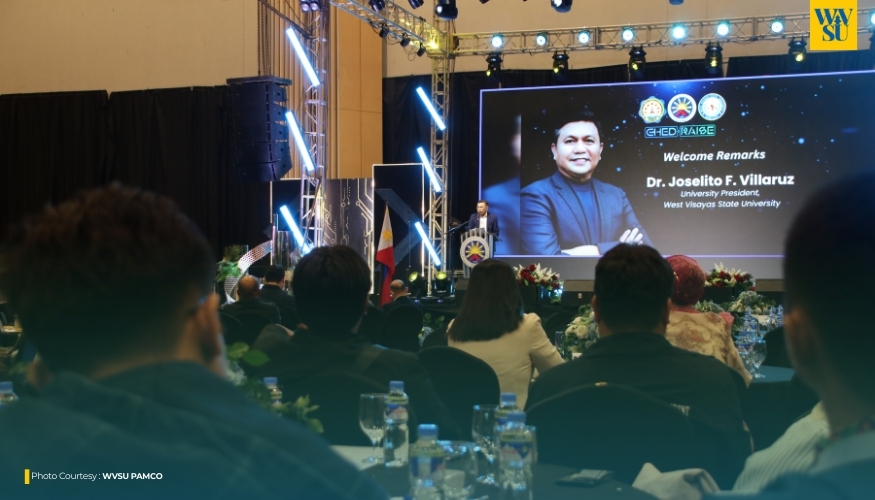
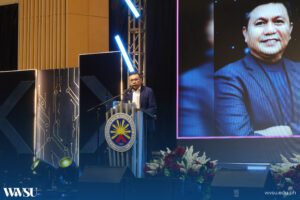
    West Visayas State University (WVSU) President Dr. Joselito F. Villaruz opened the second day of the Commission on Higher Education (CHED) Responding through AI for Societal Empowerment (RAISE) 2026 national summit on Feb. 26, reaffirming WVSU’s commitment to responsible and inclusive artificial intelligence in higher education.

    Held at the Iloilo Convention Center, the three-day CHED RAISE summit is headed by CHED, in partnership with Northern Iloilo State University (NISU) and WVSU. The event gathers university leaders, faculty members, students and industry partners to align academic programs with the demands of an AI-driven economy.

    A key highlight of Day 2 was the plenary discussion “AI Requirements in the Industry,” which examined workforce competencies, infrastructure readiness and cross-sector collaboration needed to meet emerging industry standards. Panelists included Jonathan Defensor De Luzuriaga, president and CEO of Spring Valley Tech Corp.; Engr. Fulbert Woo, president of the Iloilo Chamber of Commerce and Industry; and Frankie Antolin, executive director of the IT and Business Process Association of the Philippines. The discussion was moderated by Jaime Noel Santos, president of Thames International Business School.

    The session underscored the urgency of equipping graduates with AI, analytics and digital competencies that respond directly to industry needs — a message that carries direct implications for curriculum development, instruction and student preparation at WVSU.

    Parallel breakout sessions provided sector-focused discussions for faculty members, administrators and students.

    For teachers, Engr. Orland Tubola of the Polytechnic University of the Philippines led “AI for Cooperatives,” highlighting AI applications in cooperative management and community-based enterprises. In the afternoon, Dr. Jassiel Padios of Iloilo State University of Fisheries Science and Technology, delivered “Capacity Building on Fisheries AI-Mediated Technologies,” emphasizing AI applications in fisheries research and extension. Engr. Lester Phil Crus of Bulacan State University also presented the “Executive Program on Artificial Intelligence and Internet of Things for SUCs and LUCs (BulSU-HUSAY)”, outlining structured capacity-building initiatives for state and local universities and colleges.

    For administrators, Samu Samson of International Business Machines Corp. led “Setting Up the Infrastructure for an AI Program,” focusing on institutional readiness and scalable implementation. Dr. Oliver Malabanan of De La Salle University discussed “Designing Curricula Aligned with the Philippine Skills Framework for Analytics and AI,” emphasizing outcomes-based alignment with national standards. Dr. Jaime D.L. Caro of Technofactors Inc. delivered “Developing a Research Agenda in the Age of Artificial Intelligence,” centering on strategic research planning responsive to emerging AI developments.

    Students attended “Automating Intelligence: The Power of RAG in Document Processing,” presented by Dr. Gregg Victor Gabison, country manager of Raybiz Technologies Inc., which explored retrieval-augmented generation and its practical applications. Malt John Vianney Solon, a senior computer science student of Cebu Institute of Technology University, led “Machine Learning Made Simple,” translating foundational machine learning concepts into practical, real-world applications. Another session, “AI-Powered Career Services for Improved Graduate Employability,” was delivered by David Padgett of SeeMeSOL, highlighting AI-driven platforms designed to enhance career guidance, skills matching and employment pathways.

    As the summit enters its final day, WVSU continues to play an active role in convening academic and industry leaders, strengthening policy dialogue and advancing the responsible and inclusive integration of AI across Philippine higher education.
  • WVSU co-hosts CHED RAISE 2026 national summit on responsible AI

    WVSU co-hosts CHED RAISE 2026 national summit on responsible AI

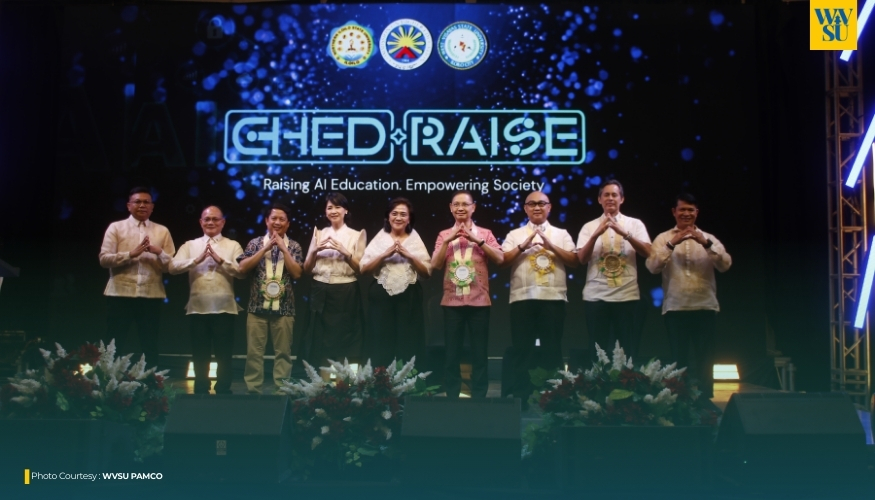
    West Visayas State University (WVSU) is co-hosting the three-day CHED Responding through AI for Societal Empowerment (RAISE) 2026 national summit, which opened Feb. 25 at the Iloilo Convention Center and brings together higher education leaders, policymakers, industry partners and students from across the country.

    Mounted by the Commission on Higher Education (CHED), in partnership with Northern Iloilo State University (NISU) and WVSU, the summit centers on the theme “Empowering Minds, Transforming Communities through Responsible and Inclusive AI.” The gathering highlights how artificial intelligence can be integrated responsibly into teaching, learning and institutional governance.

    For the WVSU community, the summit positions the University at the forefront of national conversations on AI policy, workforce readiness and innovation in higher education.
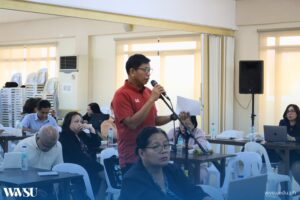
    A key highlight of the opening plenary was the presentation of the National AI Upskilling Roadmap: Building a Competitive National AI Workforce, identified as a “Big Bet for the Future” under the National Education and Workforce Development Plan 2026–2028. Sherwin M. Pelayo, executive director of the Analytics Association of the Philippines, presented the roadmap and moderated a fireside chat on AI in basic education, higher education and lifelong learning.

    The panel included CHED Chairperson Dr. Shirley C. Agrupis; CHED Undersecretary for Strategic Management Dr. Ronald Mendoza; Technical Education and Skills Development Authority Director General Jose Francisco “Kiko” B. Benitez; Private Sector Advisory Council Chairperson Alfredo Antonio Ayala; and Analytics Association of the Philippines President and Co-founder Michelle Alarcon. Discussions focused on strengthening collaboration between government and industry to ensure AI adoption in education remains responsible, inclusive and aligned with national development goals.

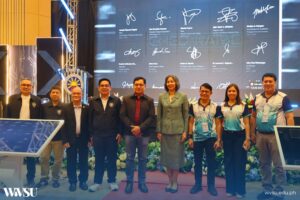
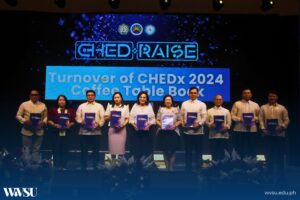
    The opening program also featured the ceremonial turnover of the CHEDx 2024 Coffee Table Book and a digital ribbon-cutting of exhibition booths, followed by an exhibit tour and media briefing on CHED’s AI initiatives and policy directions for higher education institutions.

    Participants later joined parallel breakout sessions tailored to administrators, faculty and students.

    University leaders convened for a Presidents’ Forum titled “Crafting an AI Policy for Higher Education,” aimed at developing a cohesive framework for responsible AI integration across Philippine higher education institutions.

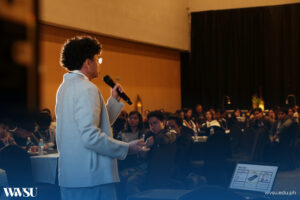
    For educators and administrators, Asst. Prof. John Richard M. Esguerra of Batangas State University led a session on data science and cybersecurity, emphasizing data literacy and cyber resilience in academic institutions. Another session delivered by Mark Benlor Sy of National Teachers College explored AI-enabled learning design and delivery, focusing on integrating analytics and AI tools into curriculum development and assessment.

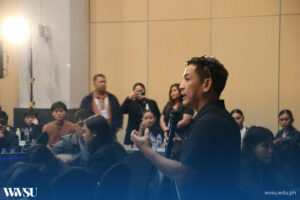
    Students attended “Think Before You Prompt: A Framework for Responsible AI-Supported Learning,” delivered by Dr. Dave E. Marcial of Silliman University, which underscored the ethical and critical use of AI in academic work. A separate session by Dr. Ace Lagman of FEU Institute of Technology introduced core concepts and applications of artificial intelligence, machine learning and deep learning.

    The summit runs until Feb. 27, reinforcing WVSU’s role as an active partner in shaping national policy and practice on ethical and inclusive AI in education.

  • WVSU demonstrates global service excellence at 49th High-Level Task Force on ASEAN Economic Integration

    WVSU demonstrates global service excellence at 49th High-Level Task Force on ASEAN Economic Integration

    West Visayas State University (WVSU), through its Tourism students, DagYoung Student Ambassadors, and the International and Local Linkages Office, has taken on the role of Information Officers as Iloilo hosts the 49th High-Level Task Force on ASEAN Economic Integration (HLTF-EI), which gathers high-ranking economic officials from ASEAN Member States, from February 25–28, 2026, in support of the Philippines’ hosting of the event.
    Working alongside the Department of Tourism (DOT) Region VI, WVSU personnel and student volunteers are assisting in the operation of information desks at official meeting locations and delegate accommodations, helping ensure smooth coordination and a warm welcome for ASEAN officials and participants.

    This initiative supports the DOT Region VI in its leadership of the Committee on Tourism, Hospitality, Tours, Social Events, and Site Enhancement (CHTSESE), which plays a vital role in enhancing delegate services during ASEAN Senior Officials’ and Ministerial Meetings.

    Aligned with the Philippines’ ASEAN Chairmanship priorities — including digital economy cooperation, economic security, and expanded trade partnerships — WVSU’s participation reflects its commitment to service excellence.

    This engagement also builds on the participants’ completion of the Filipino Brand of Service Excellence training last February 6, equipping them to deliver globally competitive Filipino hospitality to international delegates.

    By Gladwyn B. Gustilo/ILLO