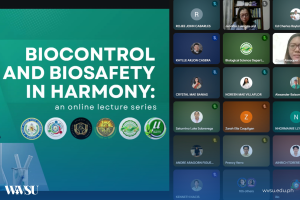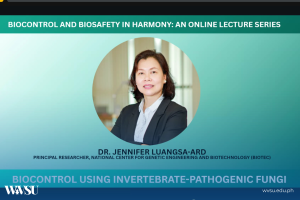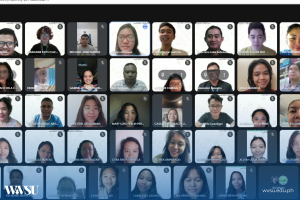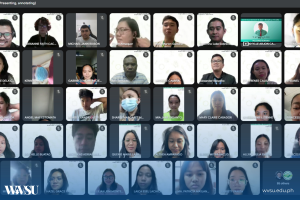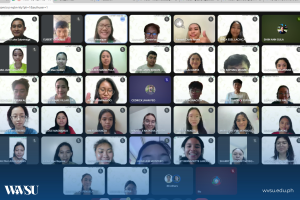
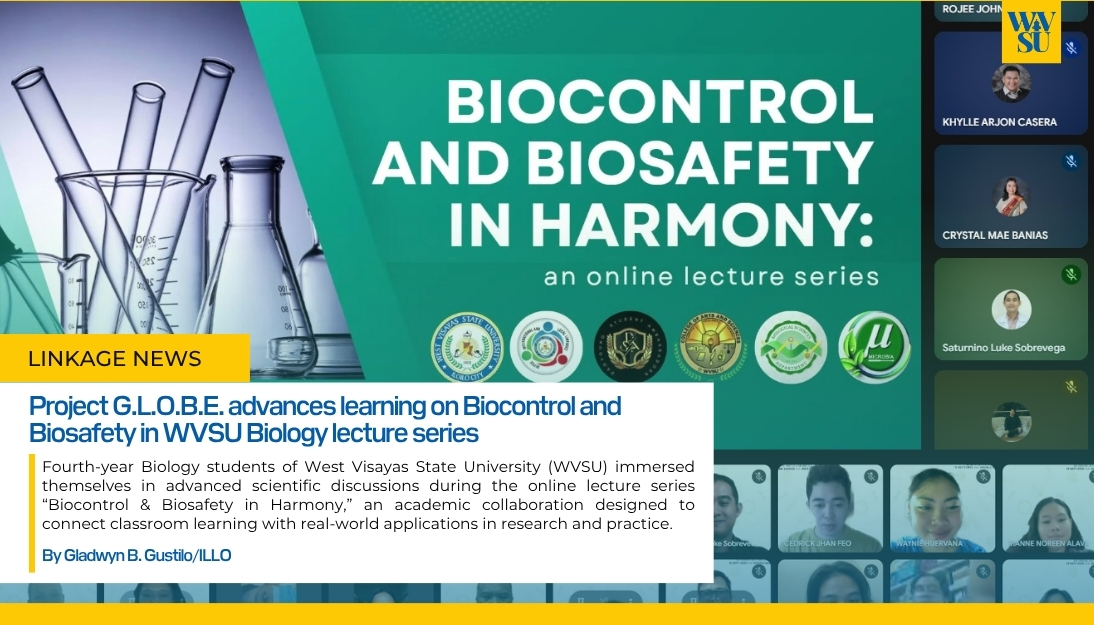

Fourth-year Biology students of West Visayas State University (WVSU) immersed themselves in advanced scientific discussions during the online lecture series “Biocontrol & Biosafety in Harmony,” an academic collaboration designed to connect classroom learning with real-world applications in research and practice.
Organized by the Faculty of Biological Sciences, College of Arts and Sciences, in partnership with the DagYoung Student Ambassadors through their flagship internationalization initiative, Project G.L.O.B.E. (Generating Leadership, Outreach, Bridging, and Engagement), with the support of MICROBIA and the International and Local Linkages Office, the event underscored the role of global knowledge exchange in preparing students for leadership and innovation in the sciences.
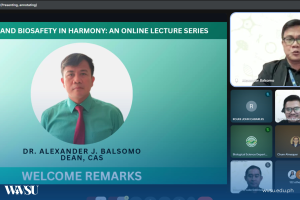
In his welcome message, Dr. Alexander J. Balsomo, Dean of the College of Arts and Sciences, emphasized the importance of cultivating globally aware and scientifically competent graduates. He noted that activities like this lecture series build confidence and competence among students as they prepare for on-the-job training, research endeavors, and future careers.
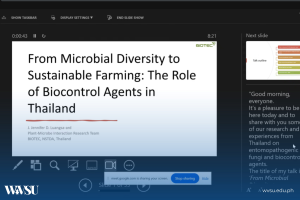
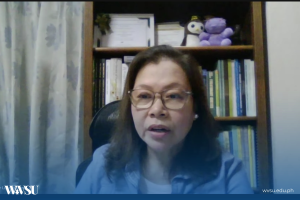
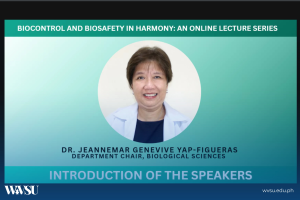
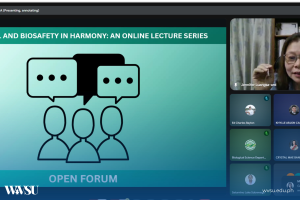
Dr. Jeannemar Genevive Yap-Figueras, Chair of the Department of Biological Sciences, formally introduced the guest experts whose lectures highlighted the interconnectedness of biocontrol, biosafety, and responsible scientific practice.
Fourth-year Biology students of West Visayas State University (WVSU) immersed themselves in advanced scientific discussions during the online lecture series “Biocontrol & Biosafety in Harmony,” an academic collaboration designed to connect classroom learning with real-world applications in research and practice.
Organized by the Faculty of Biological Sciences, College of Arts and Sciences, in partnership with the DagYoung Student Ambassadors through their flagship internationalization initiative, Project G.L.O.B.E. (Generating Leadership, Outreach, Bridging, and Engagement), with the support of MICROBIA and the International and Local Linkages Office, the event underscored the role of global knowledge exchange in preparing students for leadership and innovation in the sciences.
In his welcome message, Dr. Alexander J. Balsomo, Dean of the College of Arts and Sciences, emphasized the importance of cultivating globally aware and scientifically competent graduates. He noted that activities like this lecture series build confidence and competence among students as they prepare for on-the-job training, research endeavors, and future careers.
Dr. Jeannemar Genevive Yap-Figueras, Chair of the Department of Biological Sciences, formally introduced the guest experts whose lectures highlighted the interconnectedness of biocontrol, biosafety, and responsible scientific practice.
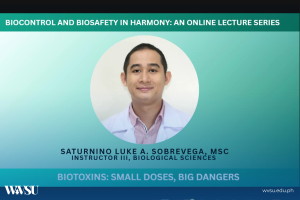
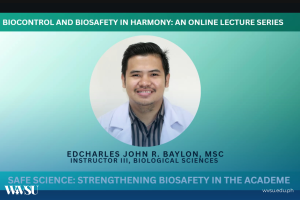
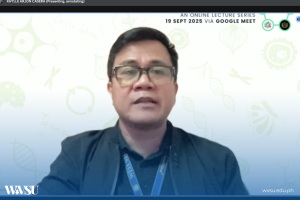
The discussion on safety and responsibility was deepened by Mr. Edcharles John R. Baylon, Faculty of Biological Sciences, who delivered a lecture on strengthening biosafety in the academe. He stressed the importance of adhering to strict safety standards and protocols in laboratory work, reminding students that innovation and discovery must always be guided by responsibility. This was followed by Mr. Saturnino Luke A. Sobrevega’s lecture on biotoxins, which shed light on the dangers posed by small doses of toxic substances. His talk underscored the need for vigilance, ethical responsibility, and caution when dealing with potentially hazardous biological materials.
The lecture series affirmed WVSU’s dedication to nurturing globally competitive and socially responsible graduates. Through Project G.L.O.B.E., the university continues to expand opportunities for youth leadership, global citizenship, and meaningful contributions to the UN Sustainable Development Goals. More than a seminar, the event served as a platform where knowledge met
By Gladwyn B. Gustilo/ILLO