WVSU

Tag: 11

MAKE CITIES AND HUMAN SETTLEMENTS INCLUSIVE, SAFE, RESILIENT AND SUSTAINABLE.

The world’s population is constantly increasing.To accommodate everyone, we need to build modern, sustainable cities. For all of us to survive and prosper, we need new, intelligent urban planning that creates safe, affordable and resilient cities with green and culturally inspiring living conditions.

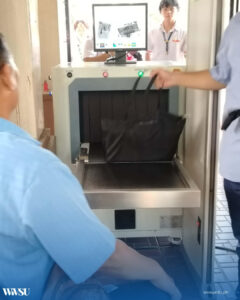
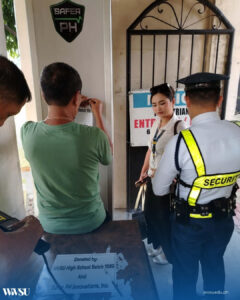
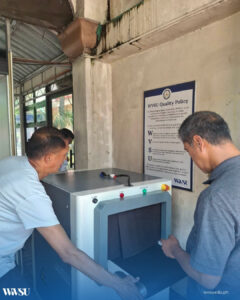
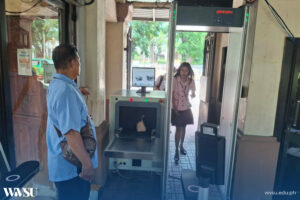
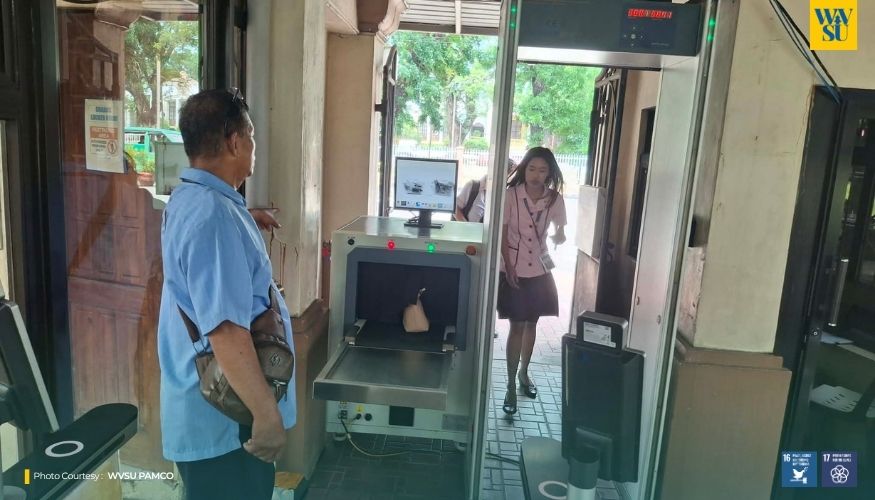
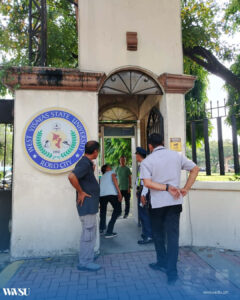
  • WVSU installs walkthrough scanner and x-ray machine at entrances to strengthen campus safety and security

    WVSU installs walkthrough scanner and x-ray machine at entrances to strengthen campus safety and security

    West Visayas State University has further strengthened its campus security with the installation of another whole-body walkthrough scanner at the Elementary Gate and a baggage X-ray machine at the Main Gate.

    The additional security equipment, donated by WVSU High School Batch 1989 and Safety PH Innovation Inc., forms part of continuing efforts to help keep students, faculty, staff, and visitors safe while inside the University.

    The University asks everyone’s cooperation in following campus security protocols and submitting to the required inspection upon entry. These measures are in place for everyone’s safety and security. Thank you for your understanding and cooperation as we work together to keep WVSU a safe and secure community.

  • WVSU Calinog students immerse in Panay Bukidnon culture

    WVSU Calinog students immerse in Panay Bukidnon culture

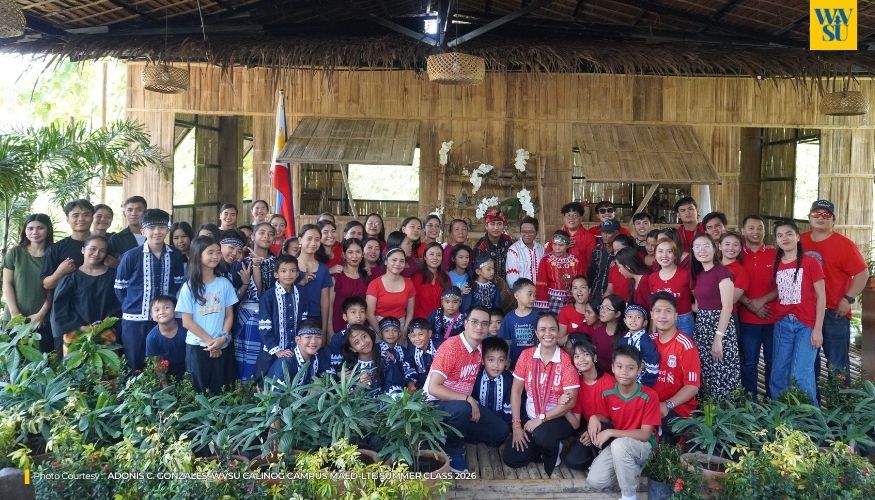
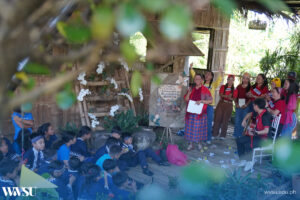
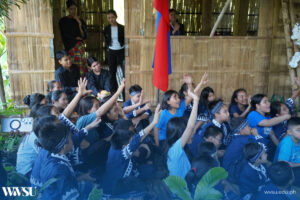
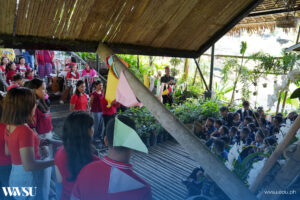
    Thirty-three graduate students from the West Visayas State University (WVSU) Calinog Campus strengthened their understanding of culturally responsive language education through a community immersion with the Panay Bukidnon in Tapaz, Capiz, demonstrating how experiential learning can bridge academic theory with Indigenous knowledge and cultural preservation.

    The students, enrolled in the Master of Arts in Education, Major in Language Teaching-English (MAEd-LTE) Summer Class 2026, participated in “Pamadbad: A Cultural Immersion and Storytelling Program” on July 19 at The Harimuyngan nga Turun-an Academy, Inc. (HTAI).

    The activity formed part of the graduate courses LNG 514: Cross-Cultural Communication and LNG 518: Psychology of the Reading Process, providing future language educators with opportunities to engage directly with Indigenous learners, cultural practitioners and community elders. Through the immersion, the students gained firsthand experience in applying culturally responsive teaching strategies beyond the traditional classroom.

    The initiative reflects WVSU’s commitment to transformative education that values diversity, strengthens community partnerships and promotes inclusive learning. It also supports the United Nations Sustainable Development Goals, particularly SDG 4 (Quality Education) by promoting equitable and culturally relevant education, SDG 10 (Reduced Inequalities) by recognizing Indigenous voices in learning, and SDG 11 (Sustainable Cities and Communities) through the preservation and appreciation of cultural heritage.

    One of the program’s highlights was a series of storytelling sessions conducted by the graduate students for HTAI learners. Before the immersion, the students developed instructional materials incorporating Indigenous narratives, local traditions and contextualized learning experiences to make literacy instruction more meaningful and culturally relevant.

    Using storybooks, visual aids and interactive reading activities, the graduate students facilitated lessons that enhanced reading comprehension, oral communication and creativity while allowing learners to see their own identities and experiences reflected in the learning process. The activity demonstrated how language education becomes more engaging when it is rooted in the culture and lived experiences of the community.

    The immersion also introduced participants to the living heritage of the Panay Bukidnon through conversations and cultural demonstrations led by young cultural master Rennel Lavilla together with Panay Bukidnon cultural masters and community elders.

    Students observed traditional performances featuring the subing, a bamboo mouth harp; the agong, a suspended gong; and the tambol, a drum crafted from the skin of the Visayan spotted deer. The cultural bearers also performed the Binanog, a dance that imitates the movements of the hawk, and shared chants from the Sugidanon, including the epic of Labaw Donggon, one of the country’s most treasured oral literary traditions.

    The exchange allowed participants to appreciate how language, oral literature, music and performance remain central to preserving Indigenous identity and passing cultural knowledge from one generation to the next.

    The program was further enriched by performances from the Padang Sibagun Chorale and HTAI learners, who showcased Ilonggo folk songs and Indigenous cultural presentations that highlighted the vitality of Panay Bukidnon traditions among today’s youth.

    Beyond storytelling and cultural performances, the WVSU graduate students immersed themselves in the community’s culinary traditions. Guided by local cultural bearers, they learned the preparation of bayi-bayi, a Visayan delicacy made from pounded young glutinous rice, grated coconut and muscovado sugar using traditional tools. They also observed the preparation of binakol nga manok sa kawayan and the traditional extraction of sugarcane juice, gaining a deeper appreciation of Indigenous knowledge systems and sustainable food practices.

    The immersion concluded with a communal meal featuring native dishes prepared at Harimuyngan nga Padapunan, reinforcing the role of food as an expression of cultural identity, history and community.

    The program was made possible through the support of the WVSU Calinog Campus administration, the Local Government Unit of Calinog and the College of Education Graduate School. Participants also expressed their gratitude to Dr. Ronilo G. Berondo, president of The Harimuyngan nga Turun-an Academy, Inc., the HTAI learners and the Panay Bukidnon community for sharing their traditions, knowledge and hospitality.

    The cultural immersion was led by Dr. Marie Candy L. Celeste, director of Academic Affairs, Indigenous Peoples Education coordinator and facilitator of LNG 514, together with Mr. Adonis C. Gonzales, facilitator of LNG 518.

    For the graduate students, the experience underscored that effective language education extends beyond textbooks and lecture halls. By engaging directly with Indigenous communities, they gained a deeper appreciation of the relationship between language, culture and identity while strengthening their commitment to becoming educators who foster inclusive, culturally responsive and community-centered learning.

    As WVSU continues to champion experiential learning, initiatives such as “Pamadbad” demonstrate how higher education can empower future educators to preserve cultural heritage, promote inclusive education and build stronger partnerships with communities, advancing the University’s mission of developing lifelong learners and agents of societal transformation.

  • WVSU prepares university-wide El Niño adaptation plan ahead of 2026-2027 dry season

    WVSU prepares university-wide El Niño adaptation plan ahead of 2026-2027 dry season

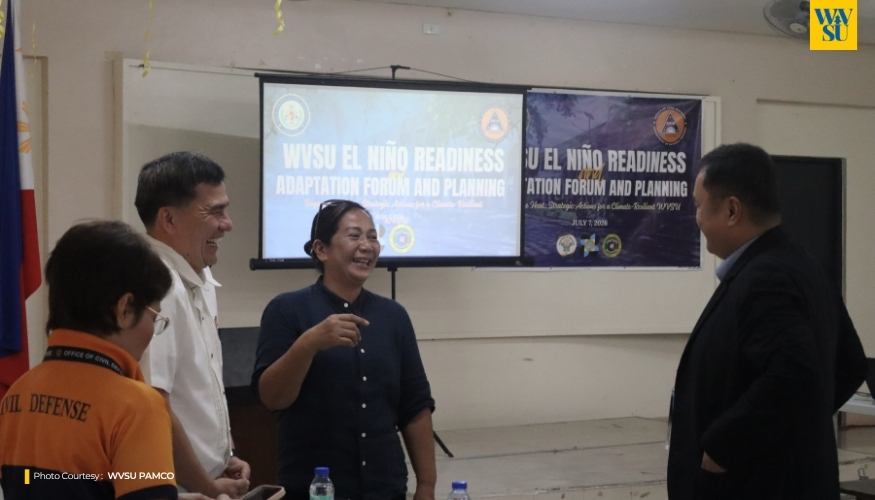
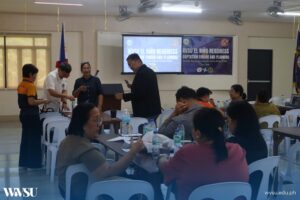
    With forecasts indicating a high probability of El Niño developing in the coming months, West Visayas State University (WVSU) has begun crafting a university-wide adaptation plan to help protect students, personnel, campus operations, and critical resources from the anticipated effects of prolonged dry conditions.

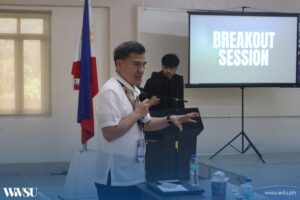
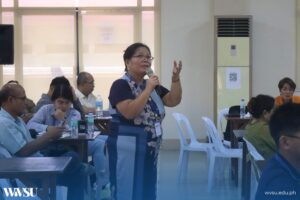
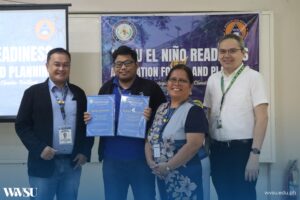
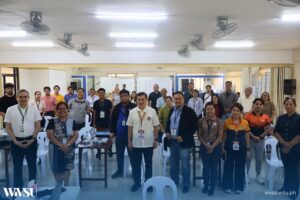
    The University conducted its El Niño Readiness and Adaptation Forum and Planning on July 7 at the Research and Extension Building Conference Room, bringing together disaster risk reduction and management officers and planning officers from the Main Campus, satellite campuses, and the WVSU Medical Center.

    Spearheaded by the Environmental Resource Management Office (ERMO) under the leadership of Director Dr. Maria Lea Escantilla-Lebuna, the activity aimed to prepare a coordinated, risk-informed response to the anticipated impacts of El Niño across the University.

    To help guide institutional planning, participants first received updates from Jan Hermo Baron, weather specialist of Philippine Atmospheric, Geophysical and Astronomical Services Administration (PAGASA) Visayas Regional Services, who presented the latest climate outlook for July to December 2026. Raul E. Fernandez, regional director of the Office of Civil Defense (OCD) Region VI, together with Janice Ragus, chief of the OCD Rehabilitation and Recovery Section, also discussed strategies for preparing WVSU through a risk-informed, whole-of-university approach.

    Following the forum, representatives from each campus and unit identified vulnerabilities specific to their respective areas and developed initial adaptation strategies. The workshop focused on four key risk sectors: water security, health and well-being, food security, and institutional operations.

    Among the concerns discussed were water supply and storage, hospital and laboratory water requirements, heat stress among students and personnel, campus food resources, power and generator readiness, infrastructure maintenance, and possible adjustments to academic and work schedules.

    Each campus and unit developed proposed action plans identifying priority interventions, implementation timelines, and responsible offices. These recommendations will be consolidated and refined into a comprehensive University El Niño adaptation plan for implementation.

    The forum forms part of WVSU’s continuing commitment to strengthening disaster preparedness and institutional resilience through proactive planning, scientific information, and collaborative action across the University community.

  • WVSU BLIS researchers present AI-powered heritage studies at Singapore conference

    WVSU BLIS researchers present AI-powered heritage studies at Singapore conference

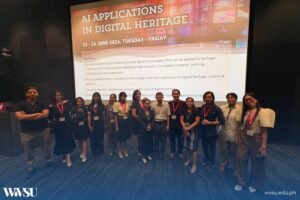
    Students, alumni, and faculty members of the Bachelor of Library and Information Science (BLIS) program under the College of Information and Communications Technology (CICT) of West Visayas State University (WVSU) flew to Singapore to present their research through oral and poster presentations at a regional gathering of researchers and heritage professionals, held at the Wee Kim Wee School of Communication and Information, Nanyang Technological University (NTU), from June 24 to 26, 2026.

    The WVSU delegation joined researchers and heritage professionals from across the region for a three-day program combining scholarly presentations with hands-on tutorials on emerging AI technologies.

    The full program was designed to build regional research capacity in AI-assisted heritage work through the workshop covering hands-on tutorials on knowledge graphs, graph databases, and graph visualization, API development using Python/Flask to integrate databases, the web, and AI services such as GPT-5, including converting natural language queries into database query languages and summarizing search results, video analysis (using dance videos as a case study) and applications of generative AI and embedding vectors in information extraction and Retrieval-Augmented Generation.

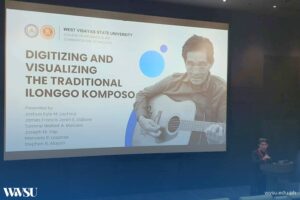
    Two WVSU-CICT papers were selected for oral presentation. They presented a full slate of 14 research and project presentations from researchers and heritage professionals across the ASEAN region. The first, “Digitizing and Visualizing the Traditional Ilonggo Komposo,” explored efforts to digitize and map the Komposo, a traditional narrative song form of Western Visayas. It was presented by Prof. Stephen Alayon, co-authored by Joshua Kyle M. Lachica, James Francis Jereh E. Llabore, Tomme Wellart A. Marcelo, Joseph M. Yap, and Manuela R. Losanes. The second, “Zarzuela, Comedia, Teatro, Drama, Opera, Film and Cinema in the Makinaugalingon Newspaper (1913-1941): A Knowledge Graph Approach,” examined how the Hiligaynon newspaper Makinaugalingon documented the region’s performing arts scene in the early 20th century from zarzuela and comedia to the earliest film screenings using knowledge graph methods to trace connections across decades of coverage. This was presented by Earl Scarlet G. Chavez, and Shane Abigail C. Abido, under the guidance of Manuela R. Losañes, and Stephen B. Alayon.

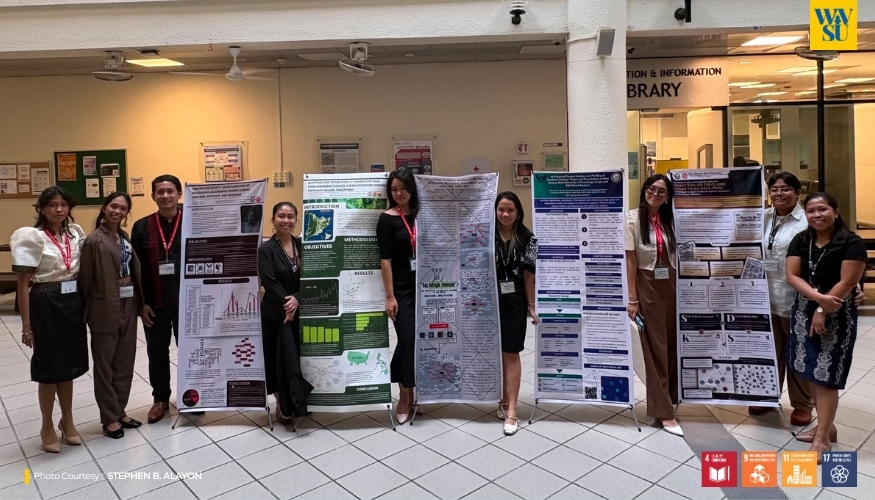
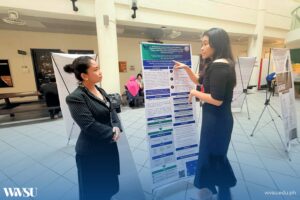
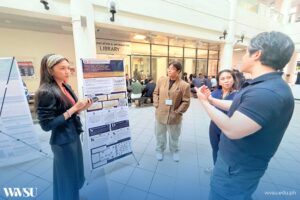
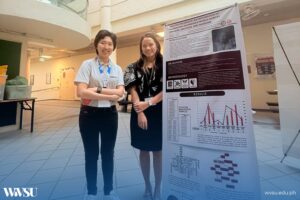
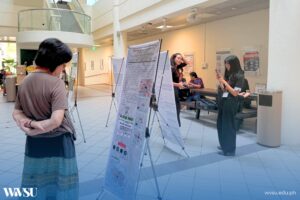
    The group also presented poster presentations at the conference, applying knowledge graph construction and AI-enhanced Retrieval-Augmented Generation (RAG) analysis to various facets of Panay’s history and heritage. In the context of WVSU’s research, this means that historical newspaper archives, thesis records, and heritage documentation can be queried in plain language, with the AI grounding its answers in the digitized sources rather than relying on guesswork. This makes decades of Ilonggo history significantly more searchable for both scholars and the general public. The poster presentations were:

    • “Knowledge Graph and Propaganda Analysis of Panay Shu-ho (1943) and Panay Times (1943- 1944) Multilingual Newspapers during the Japanese Occupation in Panay Island, Philippines”, by Shennah Faith G. Berbaña, Arabella Fatima L. Tejwani, Manuela R. Losañes, Stephen B. Alayon
    • “AI-Enhanced Bibliometric Profiling of Graduate Theses and Dissertations: A Knowledge Graph and RAG-Based Analysis of a State University in the Philippines” by Winnie Boy Sina-on, Manuela R. Losañes, Stephen B. Alayon, Elra Di M. Madalogdog, Ma. Beth S. Concepcion, Regin A. Cabacas, Shem Durst Elijah B. Sandig
    • “Mapping and Visualizing X-Linked Dystonia Parkinsonism (‘Lubag‘), a Rare Disorder Endemic to Panay Island, Philippines” by Juliana Marie A. Jabagat, Francis Ken L. Payunan, Julius V. Suganob, Paolo G. Hilado, Manuela R. Losañes, Stephen B. Alayon
    • “Tracing the Legacy: An Exploration of Magdalena Jalandoni’s Works Across Libraries, Archives, and Museums” by Abby Gail C. Alarcon, April Aireen Y. Saenz, Elra Di M. Madalogdog, Manuela R. Losañes, Stephen B. Alayon
    • “A Knowledge Graph on Women as Published in Hiligaynon Newspaper Makinaugalingon (1913-1941, 1946, 1953)” by Stephen B. Alayon, Manuela R. Losañes, Melgie G. Pacardo, Catleya S. Ferro, Ma. Beth S. Concepcion, Regin A. Cabacas, Paolo G. Hilado, Mark Joseph J. Solidarios, Pilar M. Martinez

    Taken together, the six posters and two oral papers reflect a sustained research program at WVSU applying knowledge graphs and AI to Ilonggo newspapers, literature, performing arts, medical heritage, and institutional records. The Singapore trip underscores the growing recognition of WVSU’s BLIS program and its faculty-led research initiatives under Stephen B. Alayon, as a hub for applying artificial intelligence to the preservation and study of Western Visayas’ cultural and historical record. From long-forgotten zarzuela reviews to the songs of the Komposo, from wartime propaganda in occupation-era newspapers to the medical heritage of a rare regional disorder, the researches presented reflects a university deeply invested in ensuring that Panay’s history remains a part and parcel of the Philippines as a nation, making them accessible for generations to come.
  • WVSU broadens its international reach in the Times Higher Education Global Sustainable Development Congress 2026

    WVSU broadens its international reach in the Times Higher Education Global Sustainable Development Congress 2026

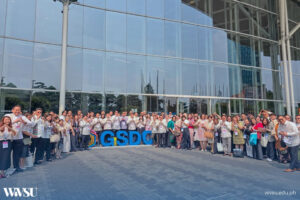
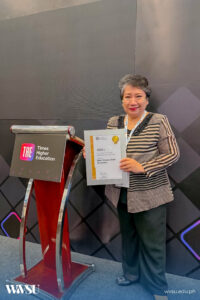
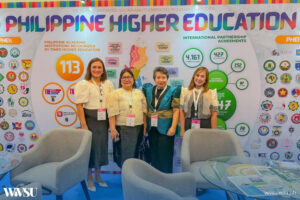
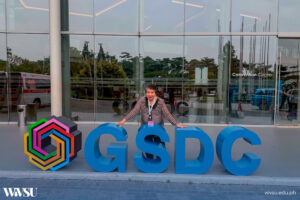
    Strengthening its commitment to internationalization and sustainable development, West Visayas State University (WVSU) joined higher education leaders, policymakers, and development partners from around the world at the Times Higher Education (THE) Global Sustainable Development Congress 2026 held in Jakarta, Indonesia, from June 22 to 25, 2026.

    Dr. Ma. Asuncion Christine V. Dequilla, Vice President for Academic Affairs, represented the university in the international gathering, engaging in networking opportunities, knowledge-sharing sessions, and discussions on innovative approaches to advancing the United Nations Sustainable Development Goals (SDGs).

    “Attending the GSDC provided me a deeper understanding on how WVSU can harmonize what we have been doing to contribute to the SDGs.

    We need to strengthen and pursue more impactful services to our community as we empower lifelong learners as agents of value — our way of transforming society.

    I believe, WVSU has taken the right direction as we work to achieve our vision of becoming a global research university that shapes generations. Let this be our ‘why’ and as a result we are recognized.

    I thank and congratulate the taga-West for the dedication in their work and duties,” she said.

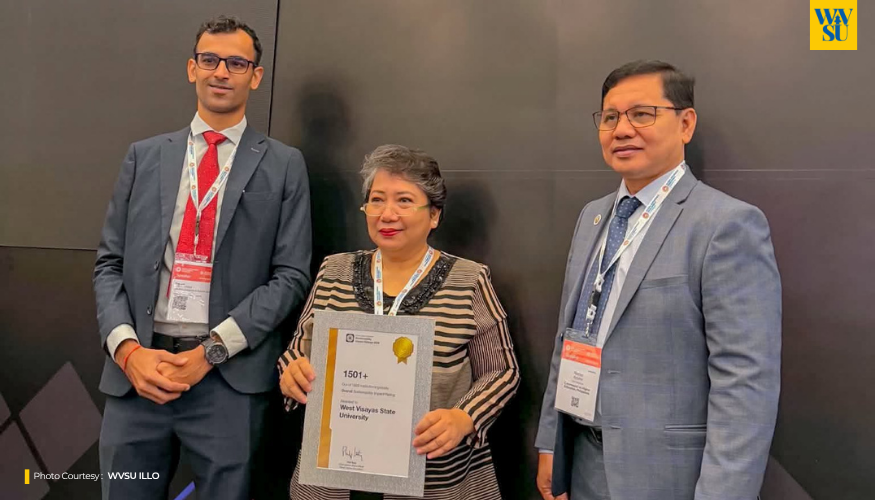
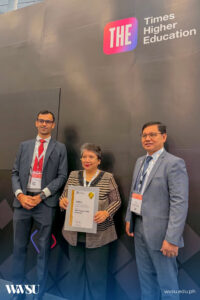
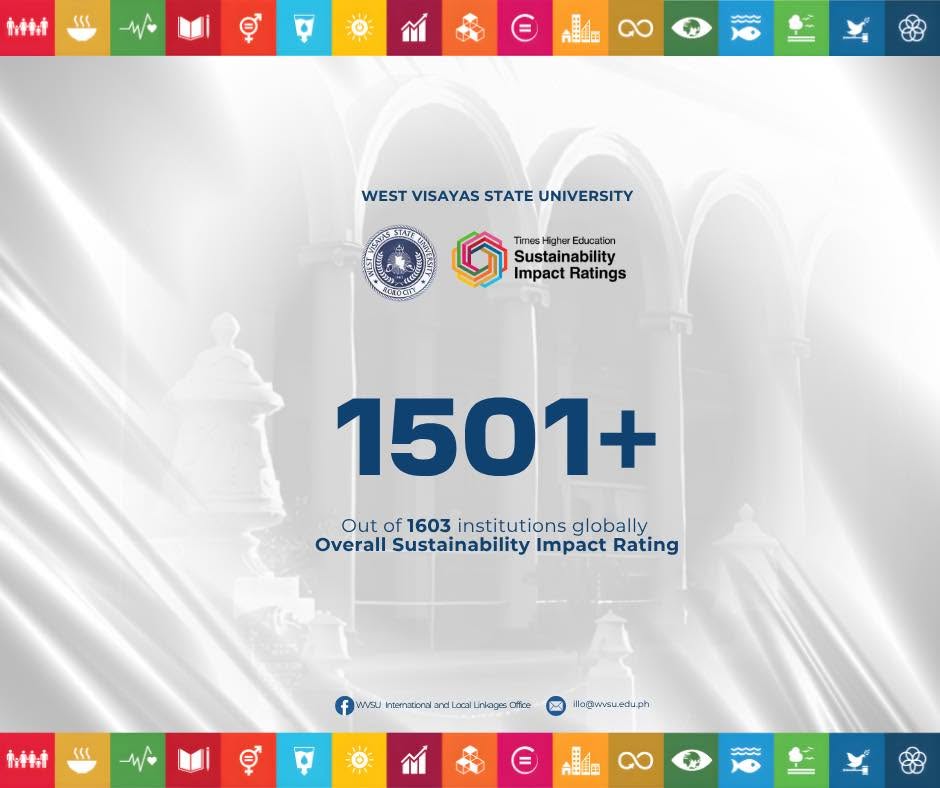
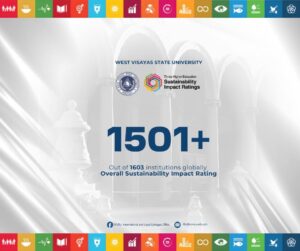
    The University’s participation comes as WVSU continues to gain international recognition for its sustainability initiatives. In the 2026 Sustainability Impact Ratings, WVSU was recognized among 1,501+ universities worldwide.
  • WVSU advances sustainability efforts in the 2026 impact rankings

    WVSU advances sustainability efforts in the 2026 impact rankings

    Strengthening its global presence, West Visayas State University (WVSU) earned recognition in the 2026 Sustainability Impact Ratings, ranking among 1,501+ universities worldwide, highlighting its internationalization efforts and commitment to the UN Sustainable Development Goals (SDGs).
    The 2026 rankings evaluated 1,646 universities across 116 countries and territories, recognizing institutions that actively advance sustainable development through innovation, partnerships, and academic excellence.

    As WVSU continues to expand its global linkages and sustainability initiatives, it reaffirms its mission to produce globally competitive and socially responsible graduates who contribute to a more sustainable future.

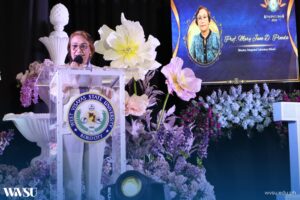
  • WVSU ILS recognizes academic excellence, leadership in recognition ceremony

    WVSU ILS recognizes academic excellence, leadership in recognition ceremony

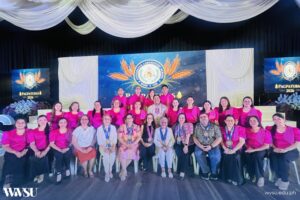
    The West Visayas State University Integrated Laboratory School (WVSU ILS) honored outstanding student achievement and leadership during its Recognition Ceremony held on May 25, at the WVSU Cultural Center.

    The ceremony gathered students, parents, teachers and university officials in celebrating the academic excellence, service and achievements of ILS learners for Academic Year 2025–2026.

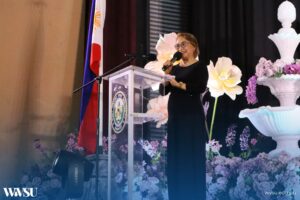
    In her welcome remarks, Prof. Mary June Pineda, ILS director, encouraged the awardees to pursue excellence with humility, gratitude and good character, emphasizing that medals and citations become more meaningful when complemented by right conduct and courtesy toward others and God.

    Pineda also echoed the ILS battle cry of not settling for anything less, urging students to “always practice excellence and be the better version of yourself sa isip, sa salita, at sa gawa,” while reminding them that good manners and proper conduct matter more than awards and recognitions.

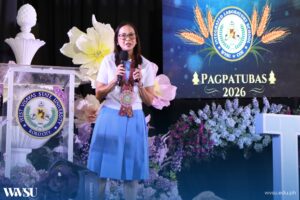
    Delivering the inspirational message was Mrs. Jennifer Javier-Woda, associate sales director of Penguin Random House and a member of the then Secondary Laboratory School Batch 1990.

    Drawing from her professional and personal experiences, Javier-Wodam encouraged the students to pursue excellence with humility, resilience and purpose.

    The presentation of academic and non-academic awards followed, witnessed by Pineda, Dr. Alona Belarga, director of the Office of Instruction, and Dr. John Erwin Pedroso, associate dean of the College of Education Graduate School.

    The program also included the presentation of non-graduating academic awardees, special citations and service awards, recognizing students who demonstrated excellence not only in academics but also in leadership, participation and service.

    Adding entertainment to the ceremony was an intermission performance by Reese Mary Lexi Serrudo and Yera Quisha Ramos of Grade 8 – Venus.

    Selected student honorees also delivered messages during the ceremony, reflecting on the lessons, challenges and values they gained throughout their academic journey.

    Mikhaela Ysabelle Baño, Rank 2 with High Honors in the elementary level, shared that elementary life was not only about classroom lessons, but also about friendships, resilience and shared experiences that shaped the students’ character. She emphasized that every learner carries a unique story marked by hard work, struggles and perseverance, while recognizing the role of the people who supported them along the way.

    Meanwhile, Helen Natalie Bolivar, Rank 2 with High Honors in the junior high school category, reflected on the meaning of excellence beyond grades and academic achievement. She reminded fellow students that while striving for success is important, maintaining balance, humanity and meaningful relationships is equally valuable in becoming truly excellent individuals.

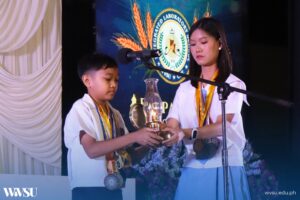
    One of the highlights of the recognition rites was the turnover of the Symbolic Light of Excellence, signifying the passing of academic leadership and inspiration to the next batch of student achievers.

    The symbolic light was handed over by Unah Angel Gabrielle Robante, Rank 1 with High Honors of Grade 10 Jupiter, to Duke Stephen Amaro, Rank 1 with High Honors of Grade 6 Malikhain.

    The recognition ceremony forms part of the culminating activities of WVSU ILS ahead of its graduation rites scheduled on May 26 at the WVSU Cultural Center, where graduating learners will formally conclude their academic journey for the school year.

  • WVSU ILS honors 44 kindergarten pupils in moving up ceremony

    WVSU ILS honors 44 kindergarten pupils in moving up ceremony

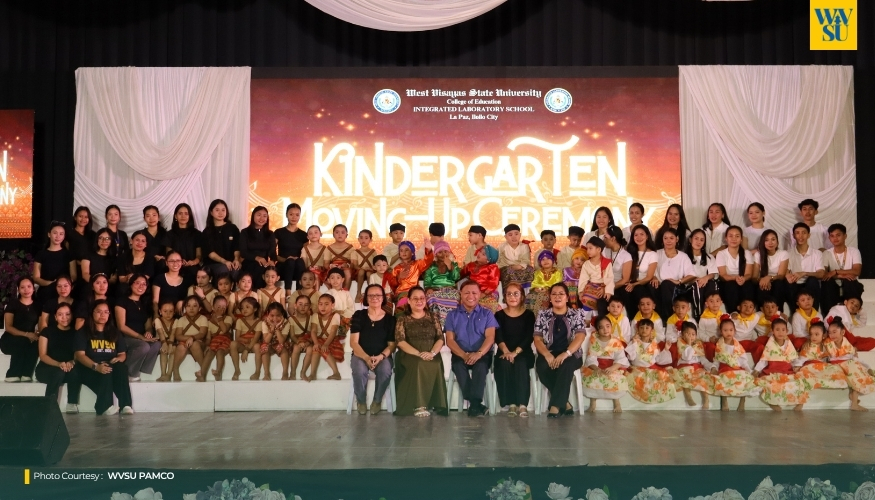
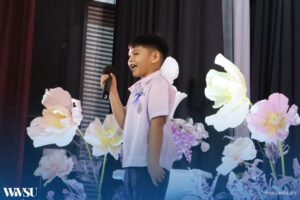
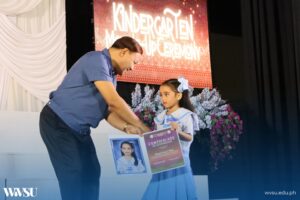
    The West Visayas State University Integrated Laboratory School (WVSU ILS) honored the 44 members of the Kindergarten Malambing Batch 2026 during its Moving Up Ceremony held today at the WVSU Cultural Center, celebrating the pupils’ completion of preschool education for Academic Year 2025–2026.

    Families, teachers and guests filled the venue as the young learners marked their first academic milestone and prepared to transition to elementary education.

    Prof. Mary June Pineda, ILS director, formally presented the kindergarten completers during the ceremony. Following the presentation of graduates, certificates were awarded by Pineda together with Dr. Michael Caesar Tubal, chairperson of the Division of Elementary Teacher Training; Prof. Jan Iris Faye Basbas, ILS guidance counselor; and Dr. John Erwin Pedroso, associate dean of the College of Education Graduate School.

    The program highlighted not only the pupils’ academic achievements but also their creativity and appreciation of Filipino culture through a series of performances prepared by the learners and teachers.

    Adding a nostalgic touch to the celebration was the movie presentation titled “Kindergarten: Tiny Moments, Big Smiles,” presented by Mikaella Gianna Solas. The audiovisual presentation featured classroom memories, school activities and candid moments shared by the pupils throughout the academic year.

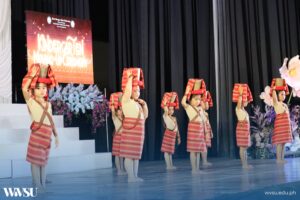
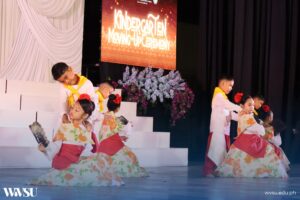
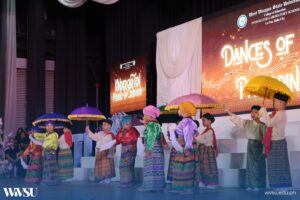
    The audience was also treated to a cultural stage play titled “Dances of the Philippines,” which showcased traditional dances representing the country’s major island groups.

    Among the featured performances were “Luzon: Ragragsakan,” “Visayas: Cariñosa” and “Mindanao: Kinakulangan,” with the kindergarten pupils taking the stage in colorful traditional-inspired costumes and lively choreography.

    An intermission number was rendered by Astrid Reus Aventura, a Grade 1 pupil, while kindergarten practice teachers also performed a special intermission presentation for the completers and their families.

    The moving up ceremony concluded with the graduation song “Ready to Go,” as the Kindergarten Malambing Batch 2026 sang alongside their classmates and teachers in a heartfelt finale symbolizing both gratitude and new beginnings.

    WVSU ILS offers Kindergarten to Grade 10 education and serves as a training hub for preservice teachers of West Visayas State University, providing future educators with experiential learning opportunities in classroom instruction, child development and student engagement.

  • WVSU hosts cultural mapping book distribution for Iloilo partners

    WVSU hosts cultural mapping book distribution for Iloilo partners

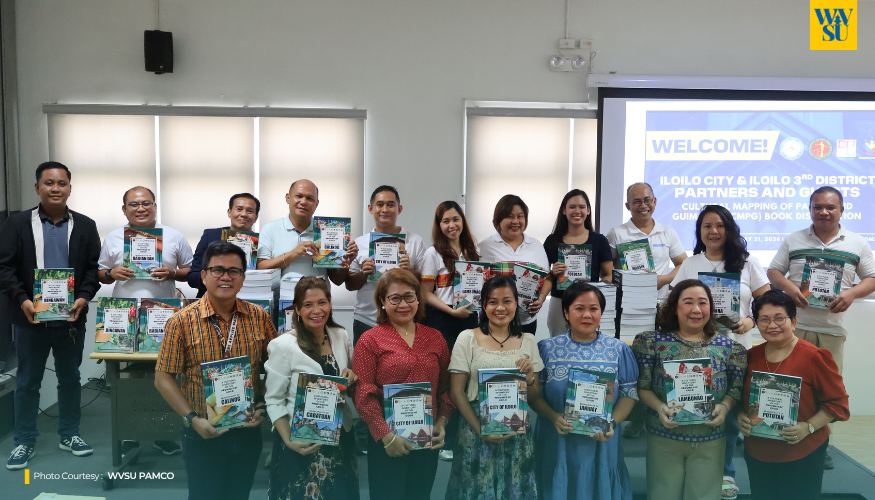
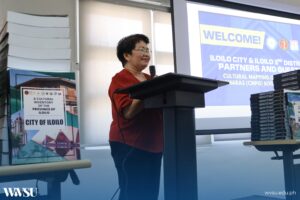
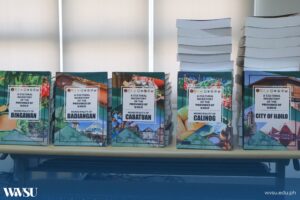
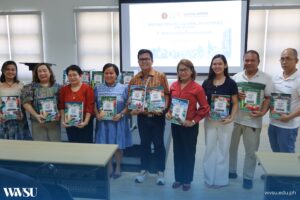
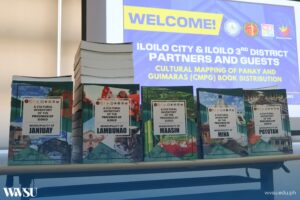
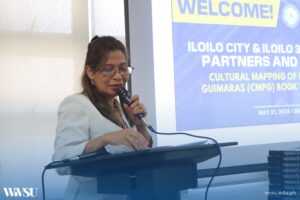
    West Visayas State University welcomed partner institutions and cultural stakeholders for the Cultural Mapping of Panay and Guimaras (CMPG) Book Distribution on May 21, 2026, at the WVSU Quezon Hall Merged Rooms, reinforcing efforts to preserve and document the region’s cultural heritage.

    The activity served as an early distribution of the books ahead of the project’s official launch in June 2026, in partnership with University of the Philippines Visayas and other local stakeholders. Dr. Mary Ann de la Vega serves as the Project Coordinator of WVSU CMPG for Iloilo City and the 3rd District of Iloilo Province, facilitating local coordination for the cultural mapping initiative.

    The books contain documented cultural resources of Iloilo City and the Third District in the Province of Iloilo, including historical landmarks, traditions, practices, local stories, and other heritage elements that reflect the identity of communities in the region.

    Present during the event were representatives from the local government offices of Iloilo City and the Third District of Iloilo Province, cultural tourism officers, Dr Bonna Palma, Dean-CAS, Anna Razel Ramirez from UPV, and Neshil Garvilles from the Office of Senator Loren Legarda, cultural workers, and academic institutions involved in the initiative.

    Through the initiative, WVSU continues to support cultural preservation and strengthen partnerships with institutions working to promote greater appreciation of the rich heritage of Western Visayas.

  • WVSU rises to Rank 137 in WURI 2026

    WVSU rises to Rank 137 in WURI 2026

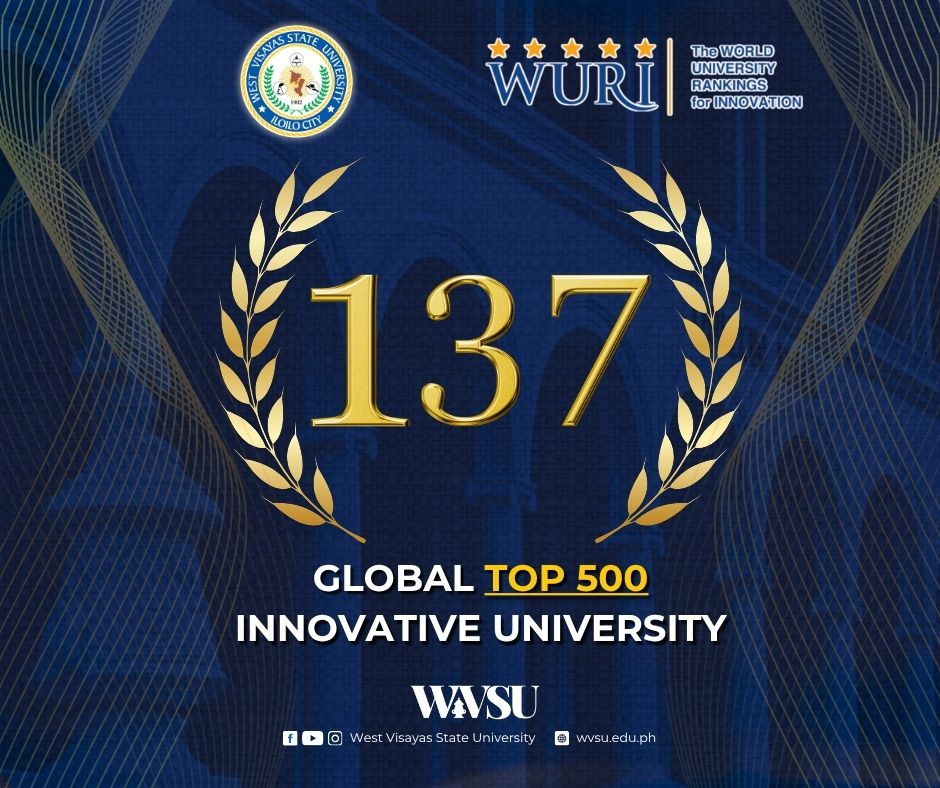
    West Visayas State University continues to gain global recognition for innovation and social impact after rising to Rank 137 in the World University Rankings for Innovation (WURI) 2026, placing the University among the Global Top 500 Innovative Universities.

    From advancing inclusive and socially responsive programs to strengthening internationalization and student engagement, this achievement reflects the collective efforts of the entire WVSU community in pushing boundaries and creating meaningful impact beyond the classroom.

    WVSU also earned spots in several WURI Top 100 categories, including:

    Rank 8 Inclusive Social Innovation for the Underserved (C6)

    Rank 36 Student Mobility and Openness (A2)

    Rank 47 Future-Oriented Responses to Global Uncertainty and Geopolitical Risk (A7)

    Rank 83 SDG- and ESG-Based Responses to Past and Present Global Challenges (A8)

    As WVSU continues to expand its global footprint, this recognition affirms the University’s commitment to transformative education, innovation, and service for communities here and beyond.