WVSU

Tag: 11

MAKE CITIES AND HUMAN SETTLEMENTS INCLUSIVE, SAFE, RESILIENT AND SUSTAINABLE.

The world’s population is constantly increasing.To accommodate everyone, we need to build modern, sustainable cities. For all of us to survive and prosper, we need new, intelligent urban planning that creates safe, affordable and resilient cities with green and culturally inspiring living conditions.

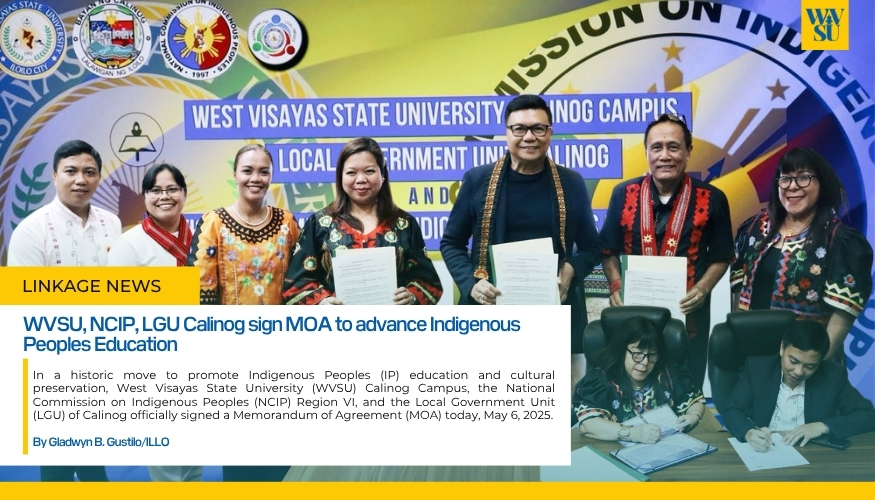
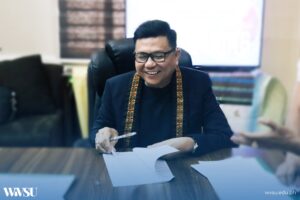
  • WVSU, NCIP, LGU Calinog sign MOA to advance Indigenous Peoples Education

    WVSU, NCIP, LGU Calinog sign MOA to advance Indigenous Peoples Education

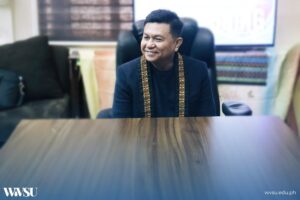
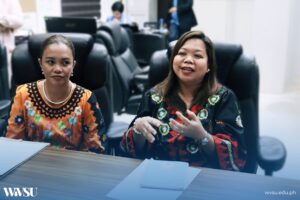
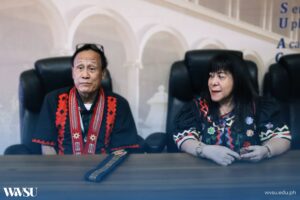
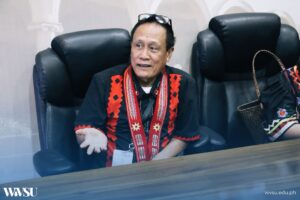
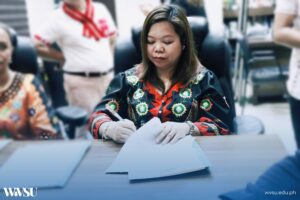
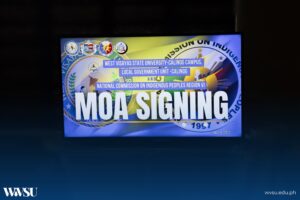
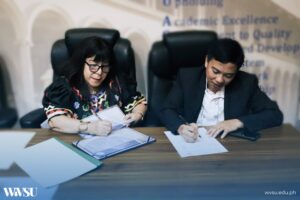
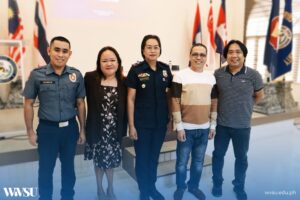
    In a historic move to promote Indigenous Peoples (IP) education and cultural preservation, West Visayas State University (WVSU) Calinog Campus, the National Commission on Indigenous Peoples (NCIP) Region VI, and the Local Government Unit (LGU) of Calinog officially signed a Memorandum of Agreement (MOA) today, May 6, 2025.

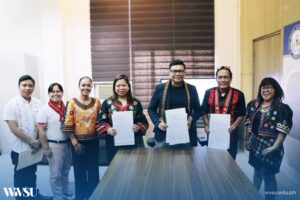
    The MOA signing ceremony was led by WVSU President Dr. Joselito F. Villaruz, NCIP Regional Director for Regions VI and VII Princess May Alcarde-Oral, and Mr. Renato Casinao, Indigenous Peoples Focal Person and Executive Assistant, who represented the LGU of Calinog.

    Under the agreement, WVSU Calinog Campus, NCIP Region VI, and LGU Calinog will collaboratively design academic programs that reflect the cultural identities and traditional wisdom of indigenous communities. The integration of indigenous perspectives into the curriculum is seen as a transformative step toward a more inclusive and contextually relevant education system. A specialized program for Indigenous Peoples Education is also planned to further institutionalize this approach.

    The partnership also emphasizes the importance of research and documentation, with the three parties committing to joint studies focusing on indigenous traditions, environmental practices, and sustainable development. NCIP will play a key role in providing cultural oversight and legal guidance to ensure respect for IP rights and heritage throughout the process.

    In line with community extension services, the agreement outlines the organization of cultural events, festivals, and workshops aimed at celebrating and preserving indigenous cultures. The establishment of community-based Sarantes, mobile education services, and an IP Village as a cultural and educational hub is also part of the long-term vision of the partnership.

    Capacity building and professional development will also be central to the collaboration. Educators, researchers, and community leaders will benefit from targeted training and workshops to enhance their skills in indigenous education and engagement. Resource-sharing mechanisms will be developed to support sustainable and collaborative project implementation.

    Also present during the signing were Dr. Rosario Clarabel Contreras-Leda, WVSU Calinog Campus Administrator; Dr. Marie L. Candy Celeste, Director of Academic Affairs; Dr. Elias A. Olapane, Calinog Research Head and Internationalization Coordinator; and Miss Dinna Joy P. Otayde, Peace Coordinator of Calinog Campus.

    This partnership reflects a strong commitment to equity in education, cultural empowerment, and sustainable community development, marking a new chapter in the recognition and integration of Indigenous Peoples’ heritage within academic and local governance frameworks.

    By Gladwyn B. Gustilo/ILLO
  • College of Communication explores citizen-centered media at forum

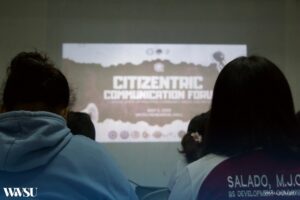
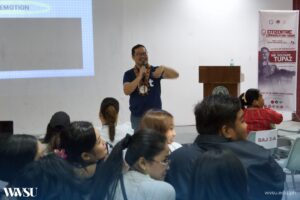
    College of Communication explores citizen-centered media at forum

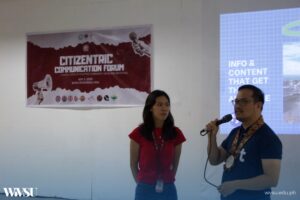
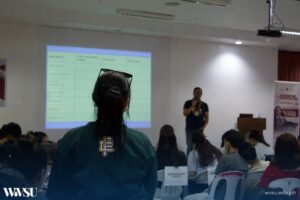
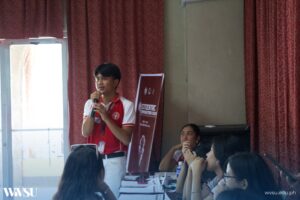
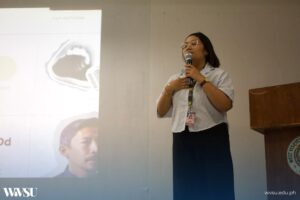
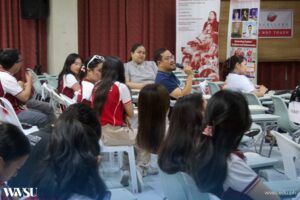
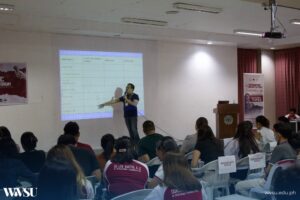
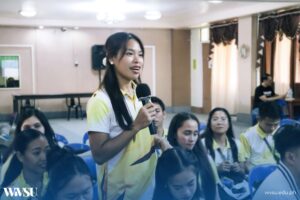
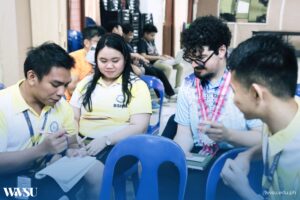
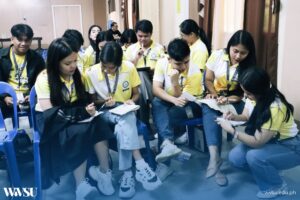
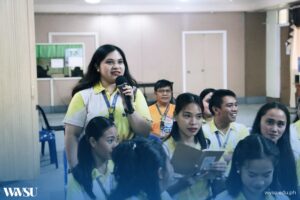
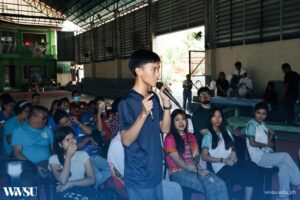
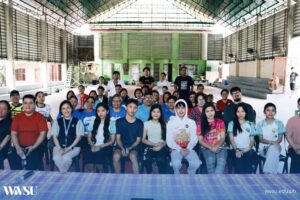
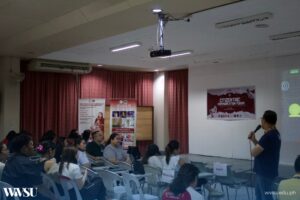
    The College of Communication hosted the “Citizentric Communication Forum: Current State of Philippine Community Media and Reporting” on May 2, 2025, highlighting evolving trends in media and content creation that journalists and creators can apply to their work. This was a whole-day event that took place at the WVSU Rehearsal Hall.

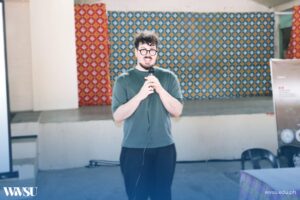
    Leading the discussion was Voltaire Tupaz, co-founder and executive director of Fyt Media, who emphasized a community-centered approach to producing and broadcasting information.

    The forum introduced the FEET framework—Factual, Ethical, Emotional, and Timely—as a guide for responsible journalism and impactful storytelling in today’s fast-changing media landscape.

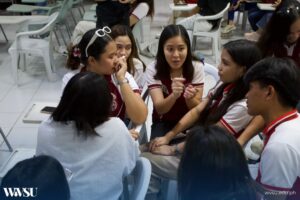
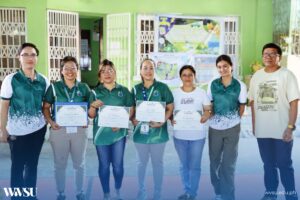
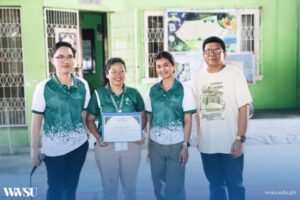
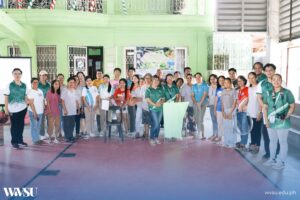
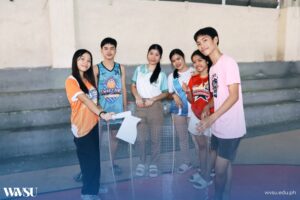
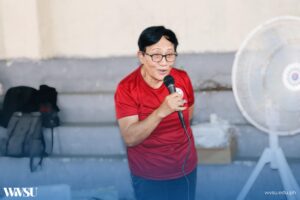
    Students also participated in a hands-on workshop where they presented infographics, posters, and video outputs, receiving constructive feedback from Tupaz.

    The event aimed to equip future media practitioners with practical tools to strengthen their creative work and meet the shifting demands of modern journalism.

  • WVSU celebrates employees with wellness day and raffle on Labor Day

    WVSU celebrates employees with wellness day and raffle on Labor Day

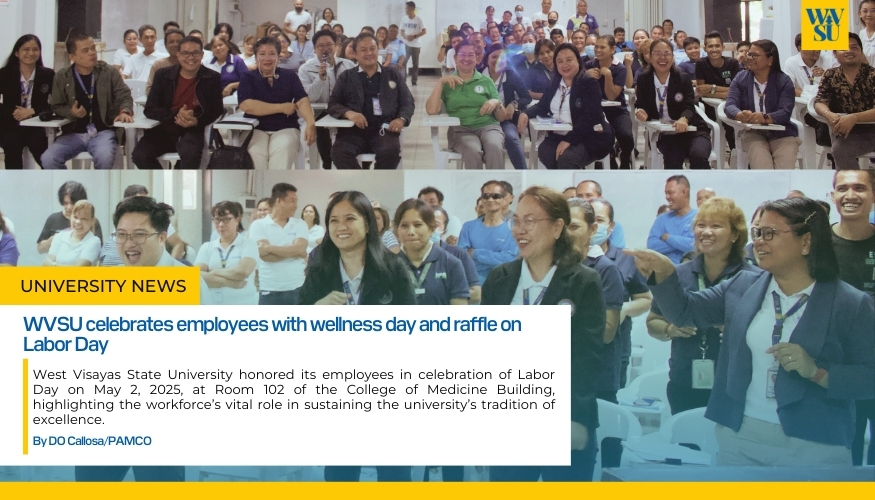
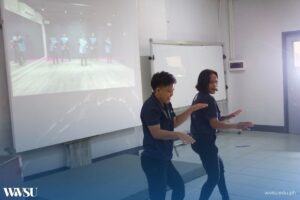
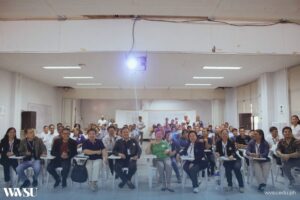
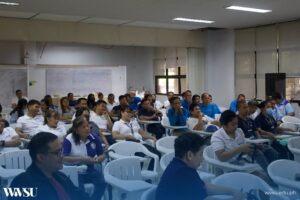
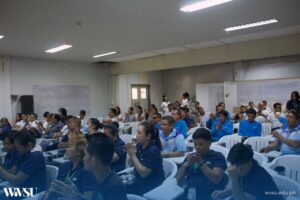
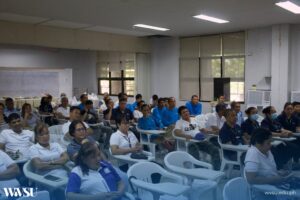
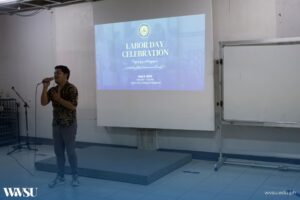
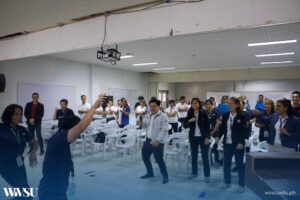
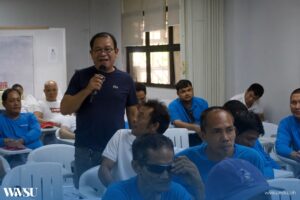
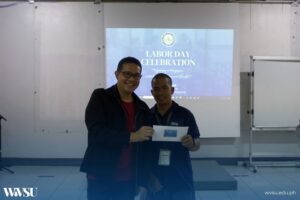
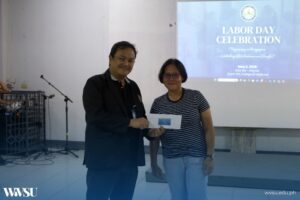
    West Visayas State University honored its employees in celebration of Labor Day on May 2, 2025, at Room 102 of the College of Medicine Building. With the theme “Araw ng Pagpapahalaga para sa mga Empleyado”, the event highlighted the workforce’s vital role in sustaining the university’s tradition of excellence.

    Employees enjoyed free haircuts, massages, and wellness services throughout the day, along with a simple lunch gathering and a raffle draw. In a brief message, WVSU Administrator Julius P. Undar thanked the workforce for their daily efforts and underscored their contribution to the university’s continued success.

    Employees also shared words of appreciation for one another and for the university’s ongoing support. The celebration served as a meaningful tribute to the people who drive the university forward. 

    By: DO Callosa/PAMCO 

    #LaborDay2025 #WVSUCares

  • Perspective from the Ground: WVSU forum highlights responsible reporting and resilience

    Perspective from the Ground: WVSU forum highlights responsible reporting and resilience

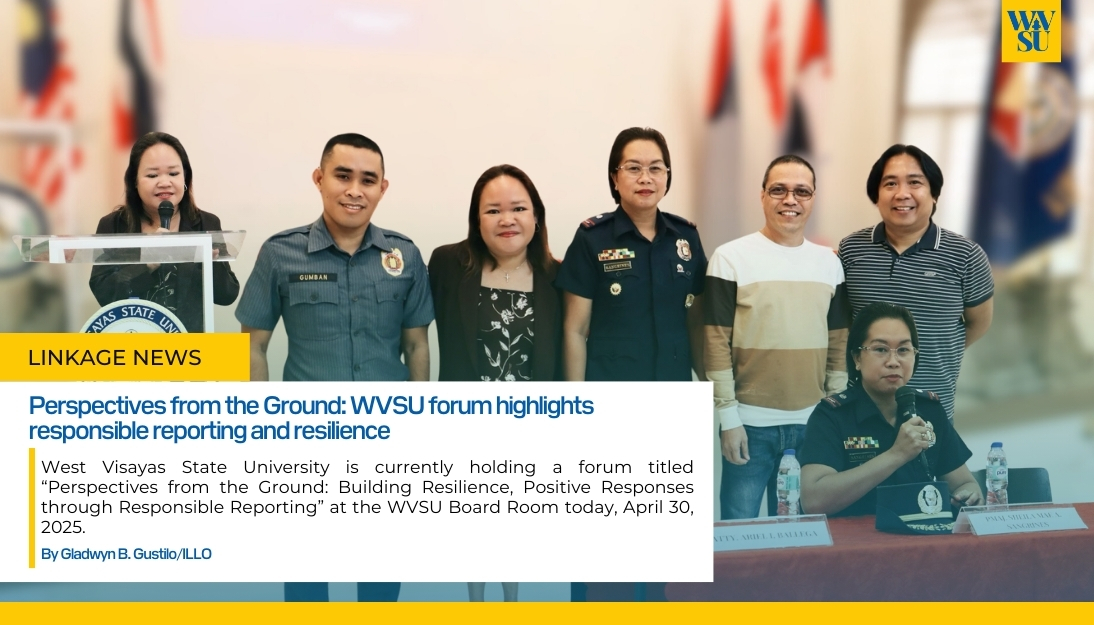
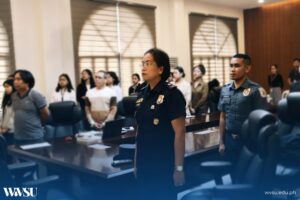
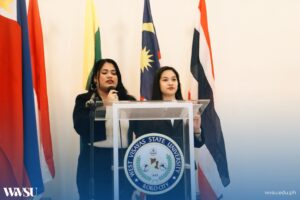
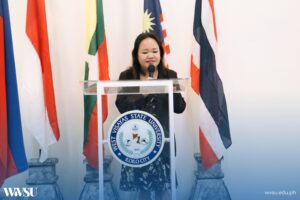
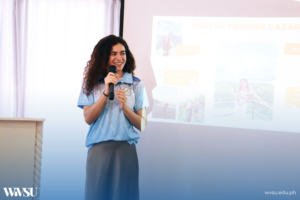
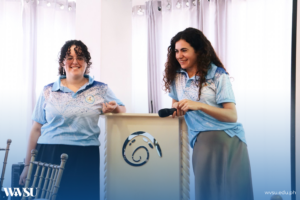
    West Visayas State University is currently holding a forum titled “Perspectives from the Ground: Building Resilience, Positive Responses through Responsible Reporting” at the WVSU Board Room today, April 30, 2025.

    Organized by the International and Local Linkages Office, in partnership with the third-year Bachelor of Arts in Journalism students of the College of Communication (COC) and the Center for Peace Education, the forum features speakers from diverse fields sharing real-world experiences and insights on ethical journalism, peacebuilding, and community resilience.

    Ms. Edel Carmela Subong-Csoka, Director of the International and Local Linkages Office and a professor of Peace Journalism, welcomed the participants by highlighting the crucial role of media in shaping public perception and advancing peace, especially in times of crisis. She stressed the need for future journalists to ground their reporting in empathy, accuracy, and social responsibility.

    “In a world increasingly marked by conflict, division, and misinformation, the role of peace journalism has never been more critical. This approach challenges us to go beyond headlines, to explore the deeper causes of conflict, and to give voice to those often left unheard. It reminds us that journalism is not just about reporting events—it is also about how we report them, and the impact our words have on peace, understanding, and unity”, she said.

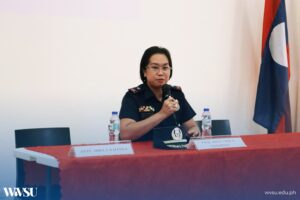
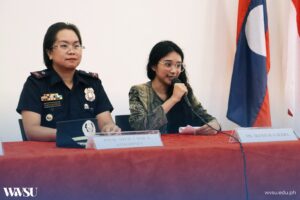
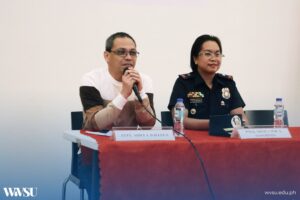
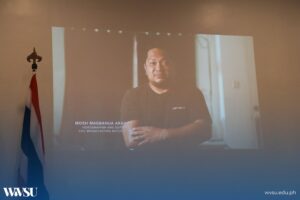
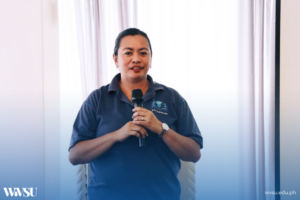
    The forum features a diverse panel of speakers with expertise grounded in real-world experience. Among them are Ms. Alexia Galera, a Bachelor of Secondary Education student from WVSU-Janiuay Campus; Atty. Ariel I. Ballega, Information Technology Officer I at the Department of Education in Negros Occidental; PMAJ Shiela Mae A. Sangrines, spokesperson for the Iloilo City Police Office; and Mr. Moshe Jobel Aranas, a videographer, editor, and documentarist.

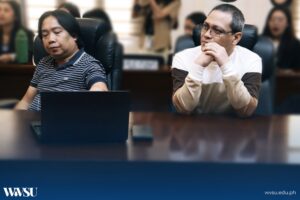
    An open floor discussion provides participants the opportunity to engage directly with the speakers, deepening the conversation on the role of journalism in addressing conflict, promoting understanding, and responding to crises with accuracy and empathy. Mr. Ramon Belleno III, faculty member of WVSU’s College of Arts and Sciences, and Mr. Gierson Bordon, BAJ Student, serves as the reactor for the event, offering reflections and insights on the themes discussed.

    The forum underscores WVSU’s continued commitment to peace education and journalistic integrity, empowering future communicators to become responsible storytellers and agents of positive change.

    By Gladwyn B. Gustilo/ILLO

  • Sustainability Without Borders: Interns from Spain and France spark environmental conversations in Capiz

    Sustainability Without Borders: Interns from Spain and France spark environmental conversations in Capiz

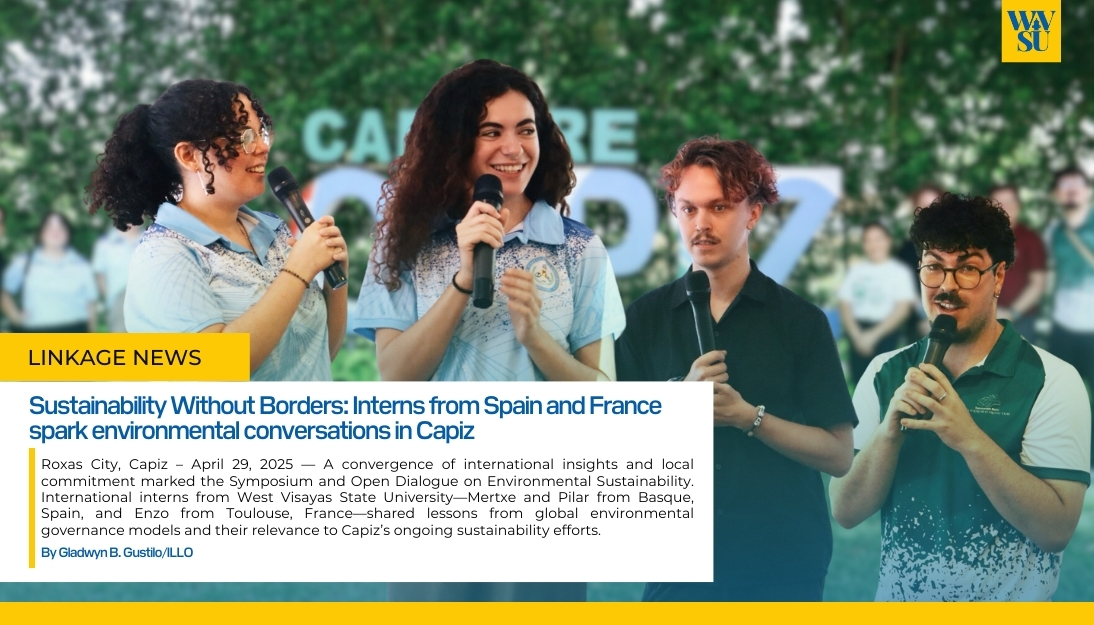
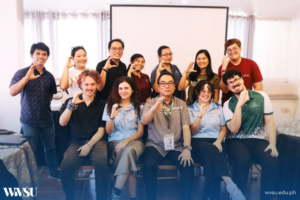
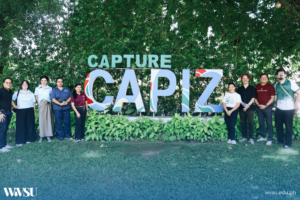
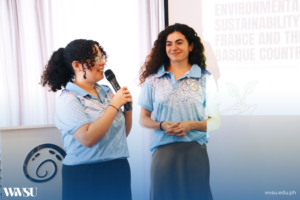
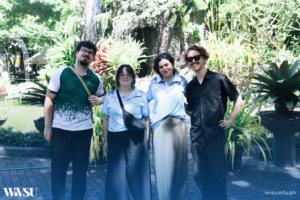
    Roxas City, Capiz – April 29, 2025 — A convergence of international insights and local commitment marked the Symposium and Open Dialogue on Environmental Sustainability. International interns from West Visayas State University—Mertxe and Pilar from Basque, Spain, and Enzo from Toulouse, France—shared lessons from global environmental governance models and their relevance to Capiz’s ongoing sustainability efforts.

    Opening Messages and Institutional Support

    The symposium opened with a welcome address by Mr. Ronald Allan F. Cullo, Environment and Natural Resources Officer of Capiz. He emphasized the urgency of climate resilience and expressed gratitude for the knowledge exchange enabled by the presence of the international interns.

    Dr. Antoniette Cortez, Director of the WVSU Center for Teaching Excellence (CTE), delivered an empowering message on the critical role of educators in fostering environmental consciousness. She called for academic institutions to take the lead in developing future stewards of the environment.

    Forum on Environmental Literacy and Community Empowerment

    A key highlight of the symposium was the in-depth dialogue on environmental literacy, where both international and local voices stressed the need to embed sustainability education in formal curricula and community engagement programs.

    The interns praised their experience in Capiz, noting the province’s potential for innovative environmental action through strengthened community participation and educational reform. Their testimonies underscored that informed citizens are essential to successful environmental governance.

    Sectoral Updates from Environmental Leaders

    Local environmental officials offered comprehensive updates on Capiz’s sustainability programs. Moon Alinsangan, DMO I and head of the Information, Communication and Education/Climate Change Adaptation Section, highlighted awareness campaigns tailored for schools and barangays.

    For. Kiua Mariz Chavez-Penuela, EMS I and head of Forest Management Services, discussed current reforestation and biodiversity conservation projects.

    Agr. Reynald Dejapa, EMS I and head of Coastal Resource Management, detailed mangrove rehabilitation and marine protection efforts.

    Ma. Lyn L. Ronzales, EMS I and head of Pollution Control and Solid Waste Management, presented on waste reduction and community-based segregation initiatives.

    Grassroots Perspectives and Reflections

    Adding depth to the local dialogue, Jeff Finnagan Schwartz, a U.S. Peace Corps Volunteer, shared experiences from his community-based work in Capiz, reinforcing the message that sustainable change begins at the grassroots level.

    Dr. Harold O. Beunvenida, Director of the Capiz Ecology and Conservation Center, concluded the panel discussions by emphasizing the need to balance ecological protection with socio-economic development. He noted that learning from other regions, while anchoring solutions in local culture and context, is key to long-term sustainability.

    A Shared Path Toward Sustainability

    The exchange of ideas—enriched by the international interns’ global experiences—highlighted the universal nature of environmental challenges and the collective responsibility to address them through education, inclusive governance, and local empowerment.

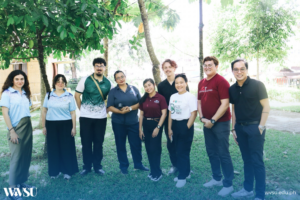
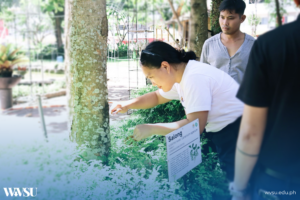
    Participants capped off the event with a guided tour of the Capiz Provincial Park and the Philippine Native Tree Arboretum—symbols of the province’s dedication to biodiversity and ecological education.

    By Gladwyn B. Gustilo/ILLO

  • WVSU, PIA VI forge partnership for sustainability, policy development, and civic engagement

    WVSU, PIA VI forge partnership for sustainability, policy development, and civic engagement

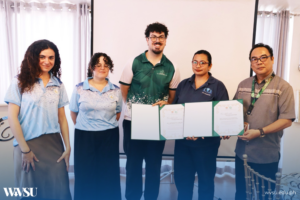
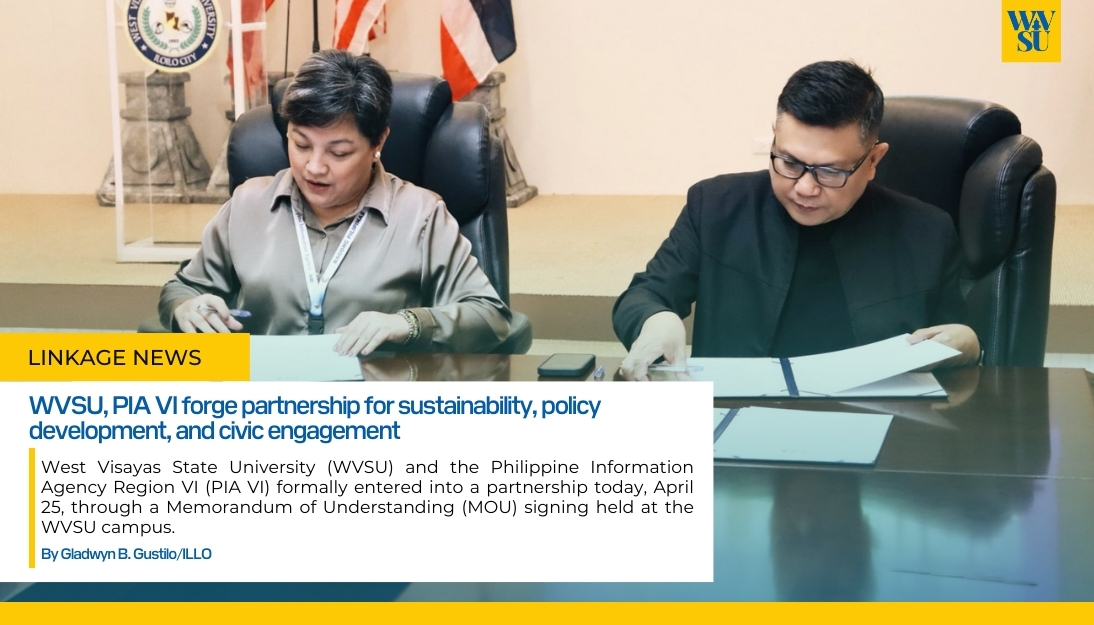
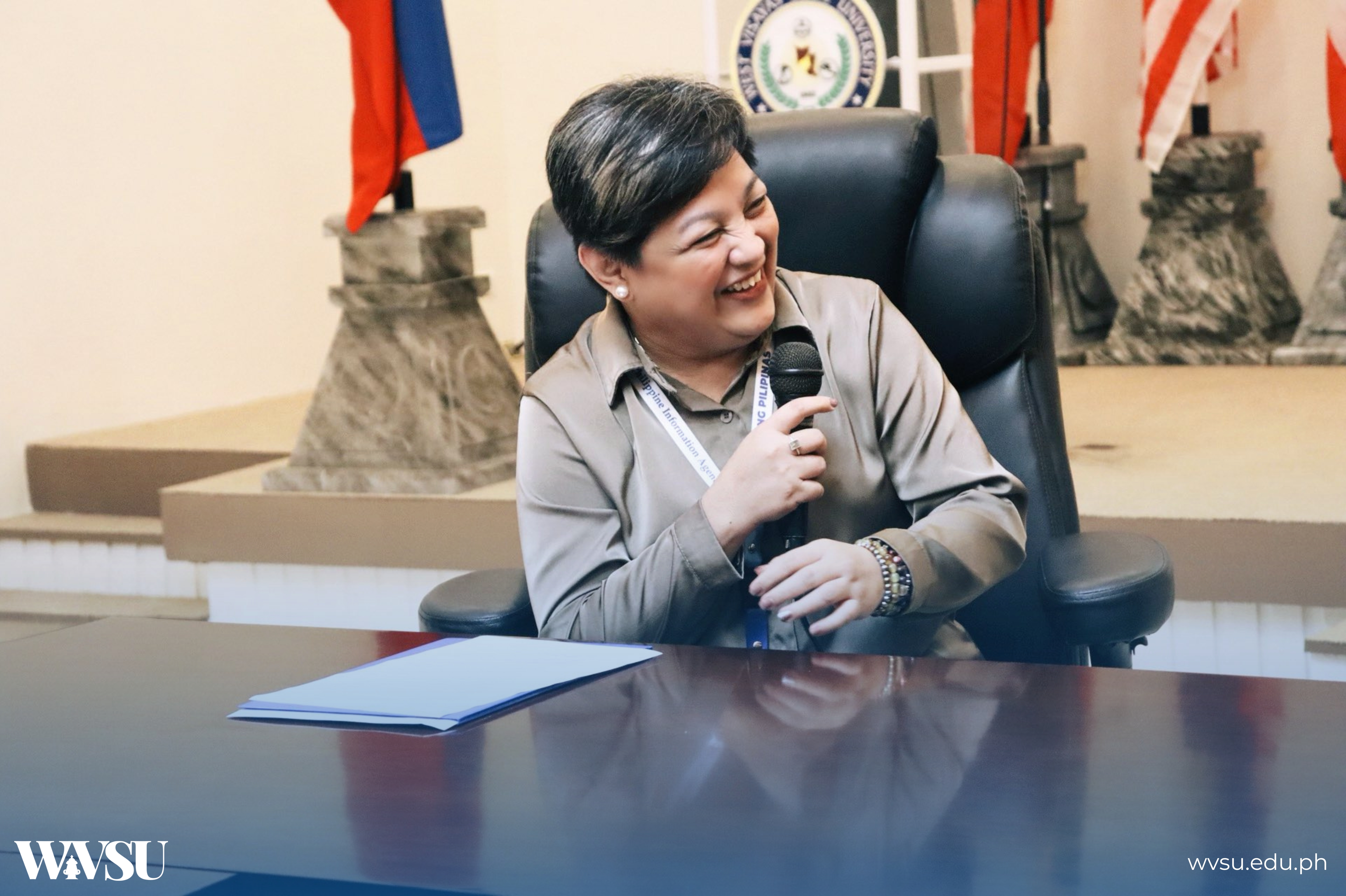
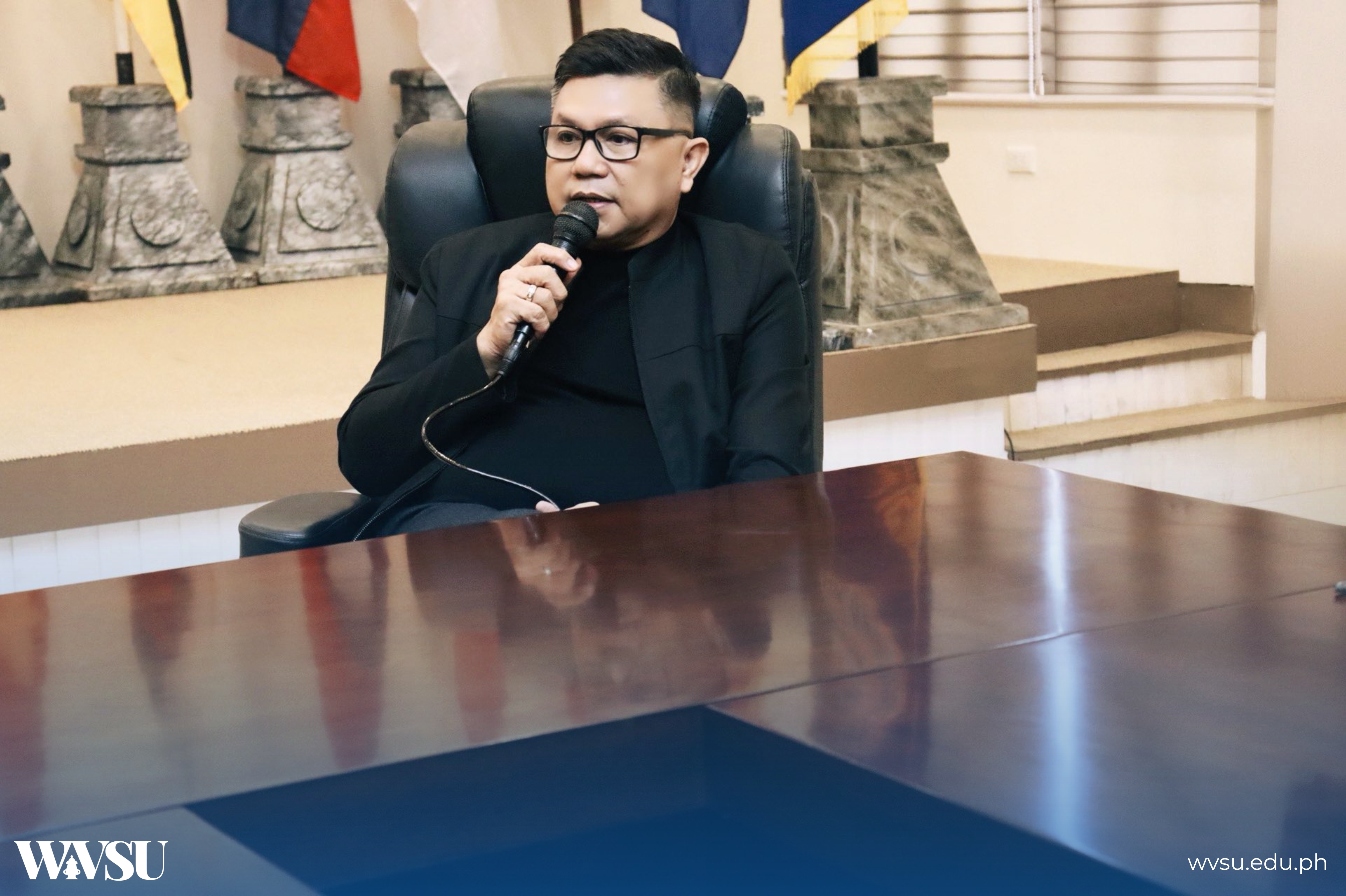
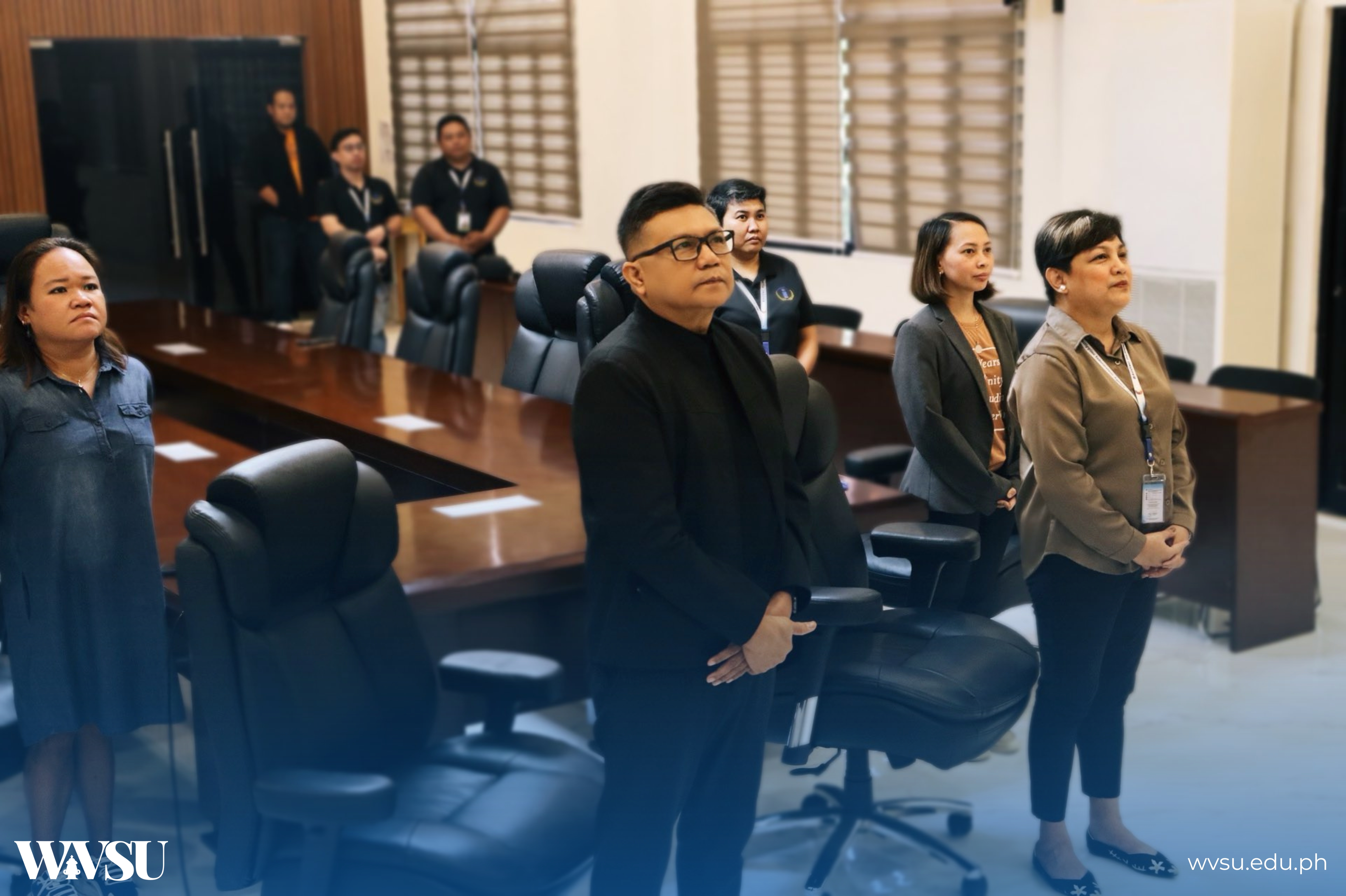
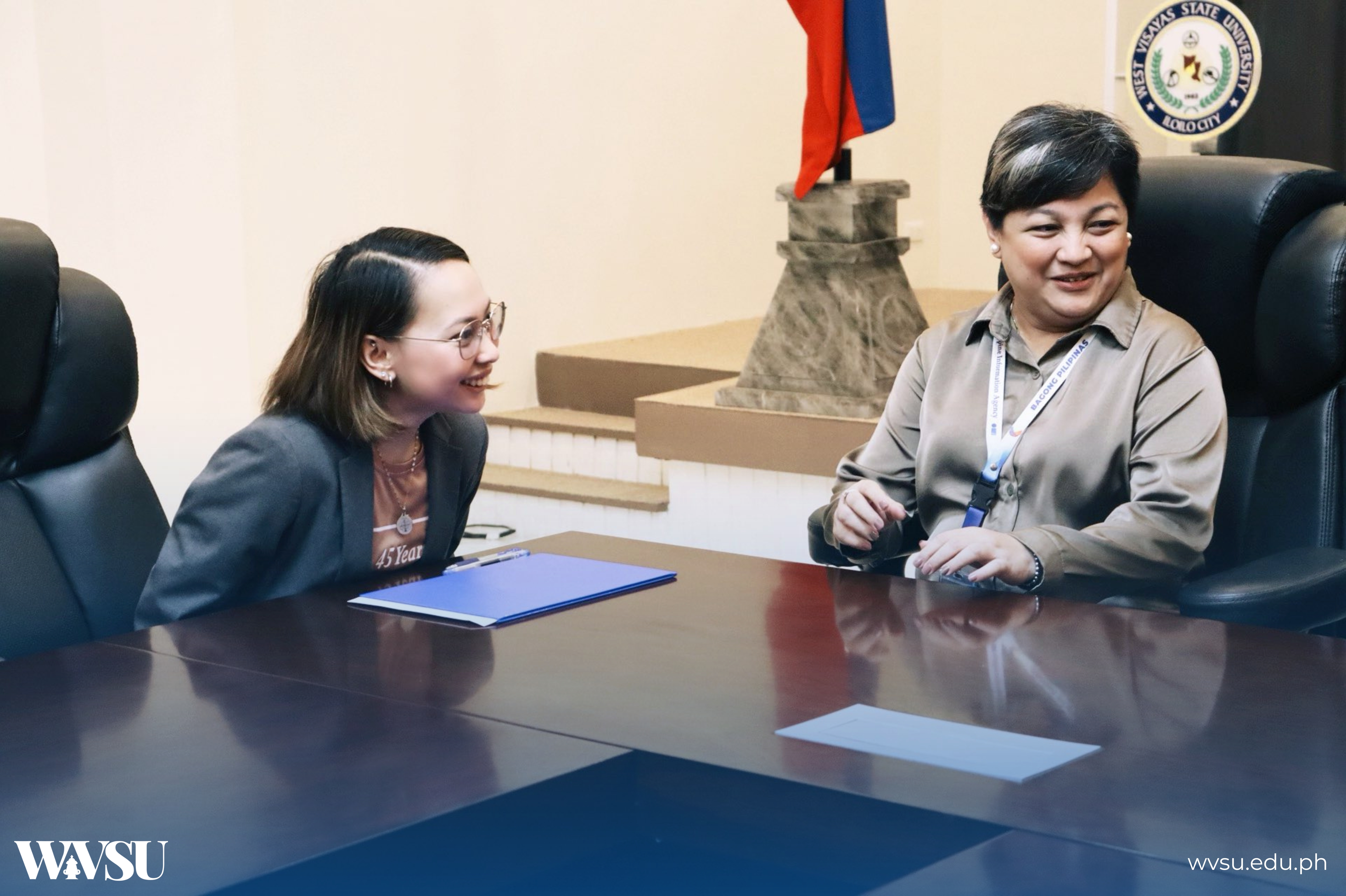
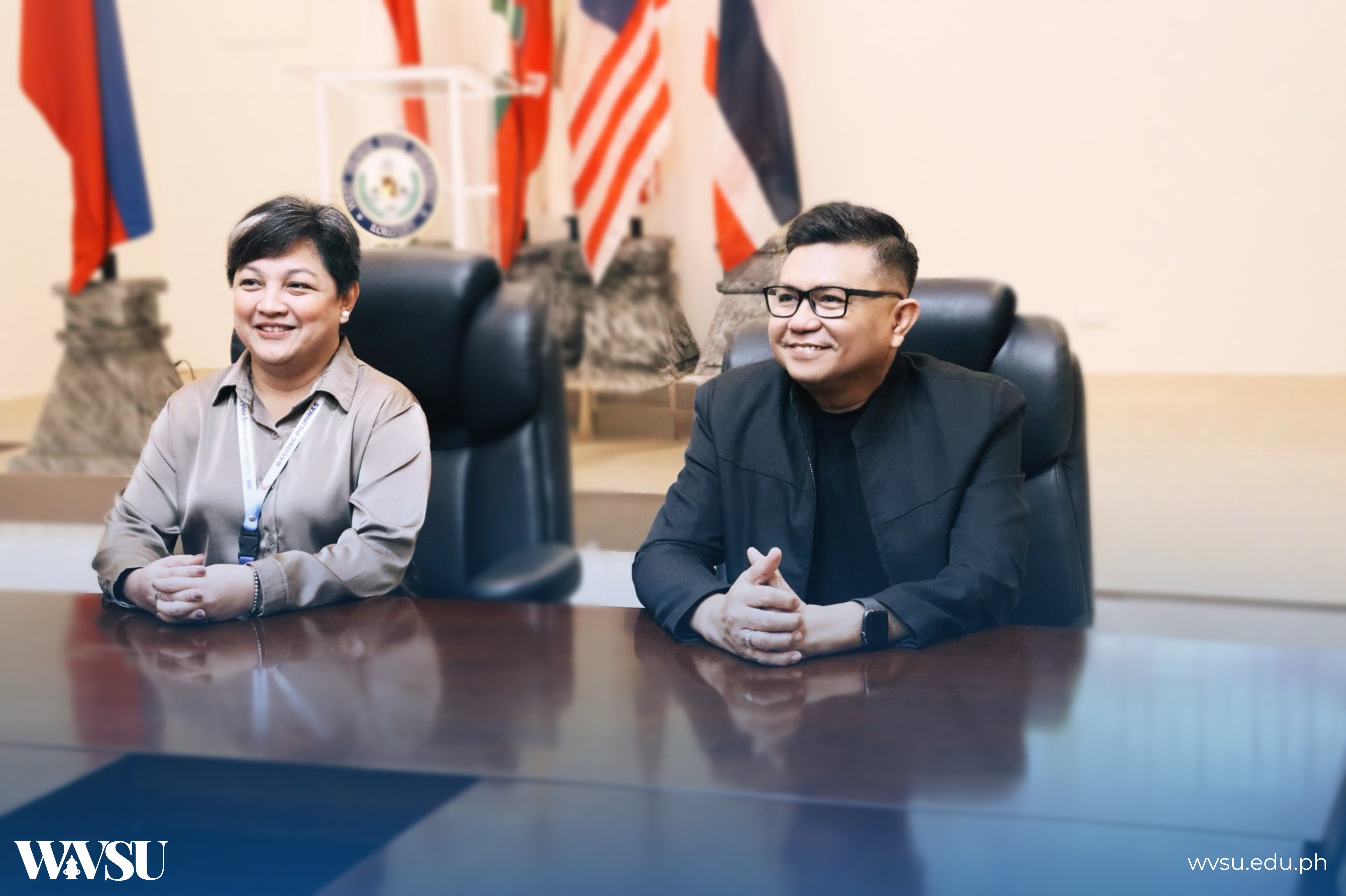
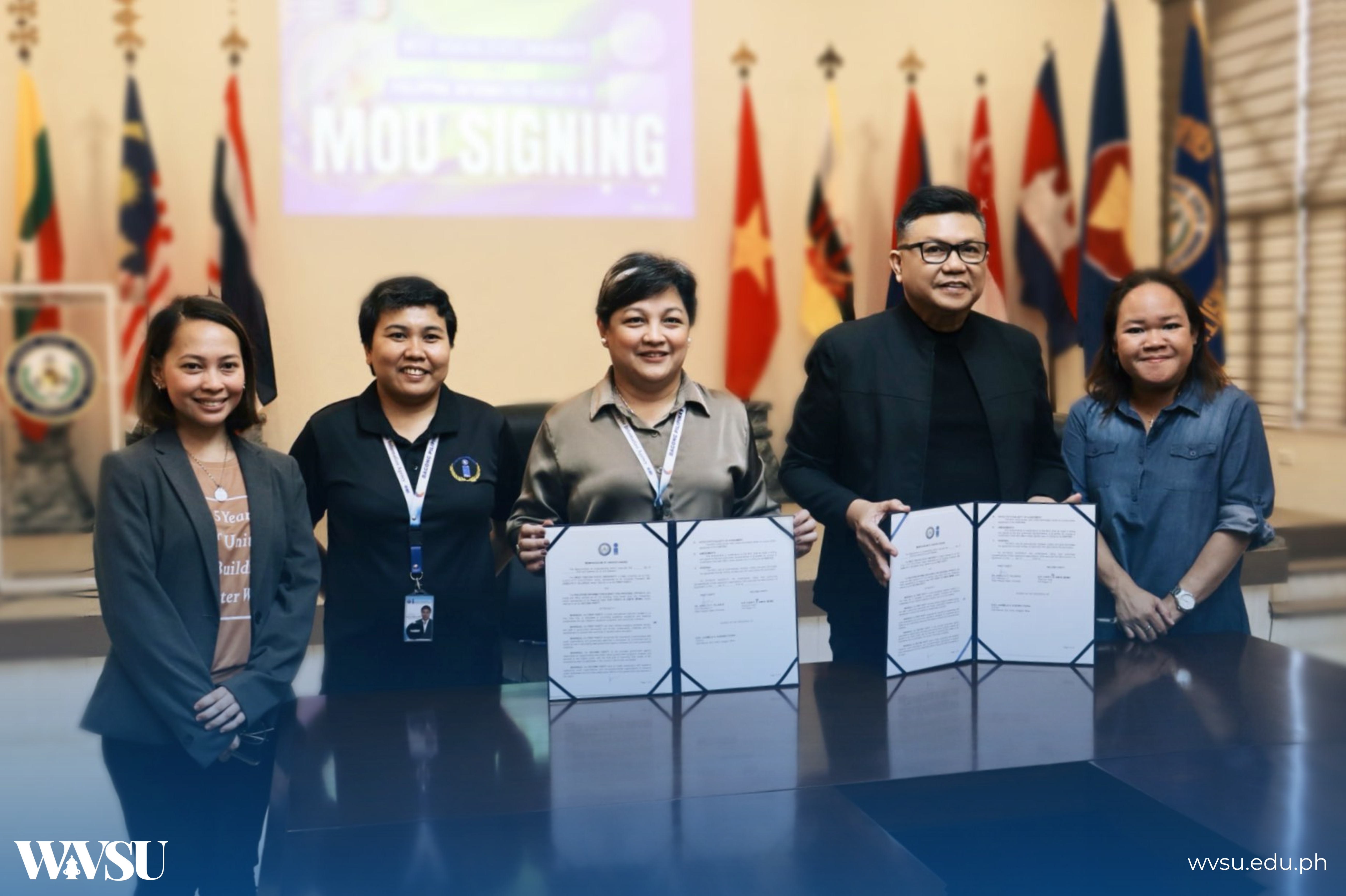
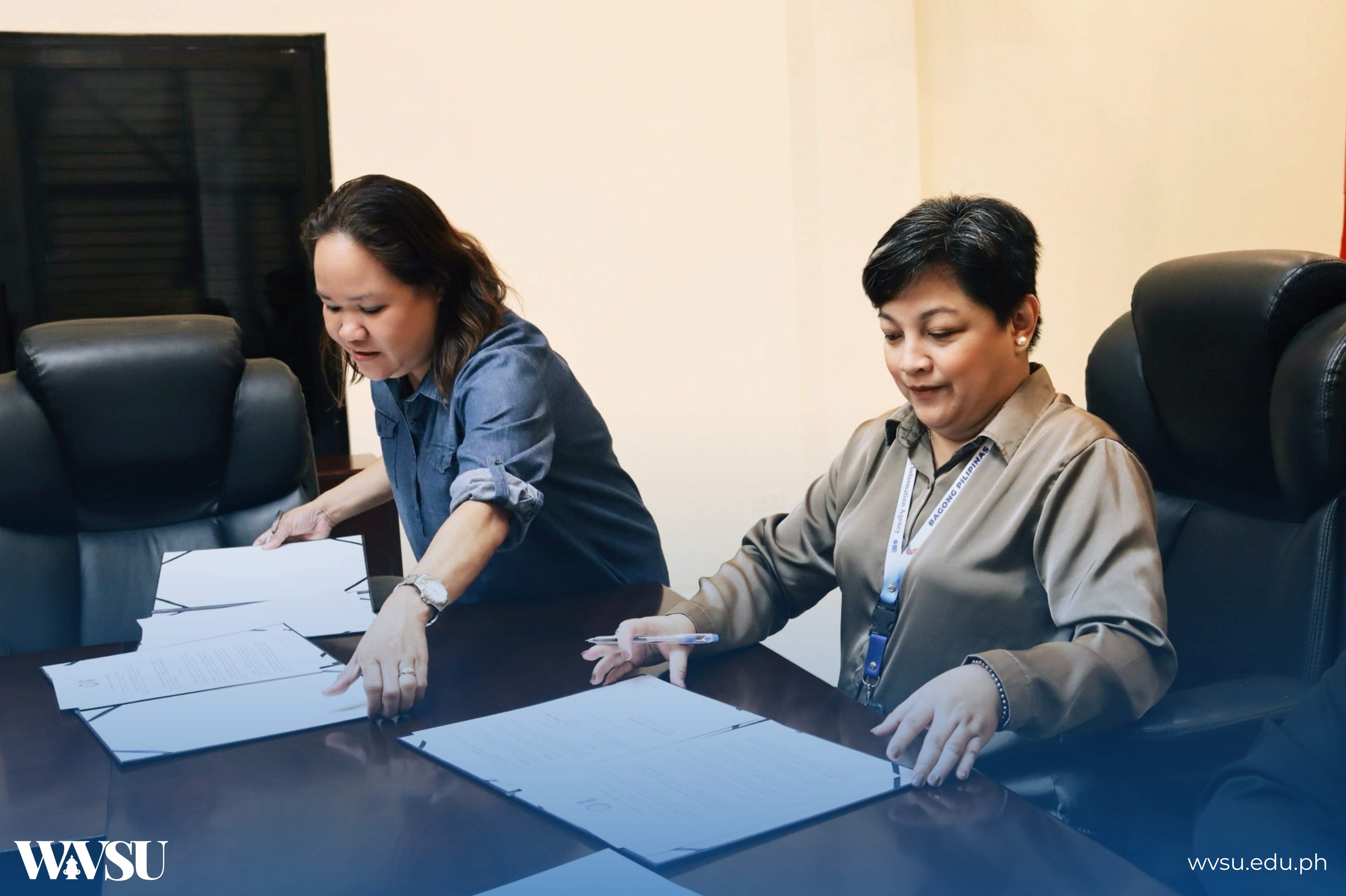
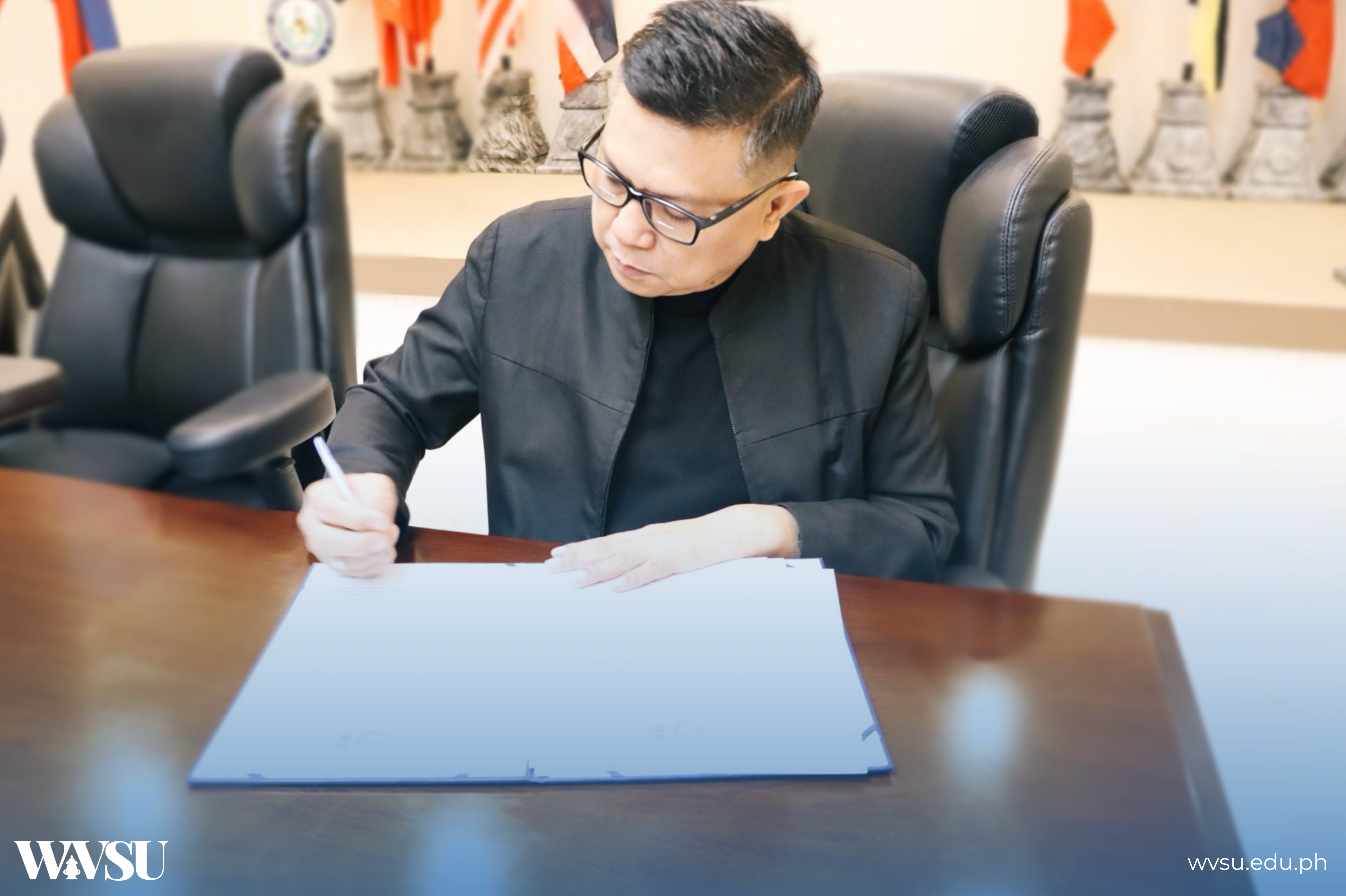
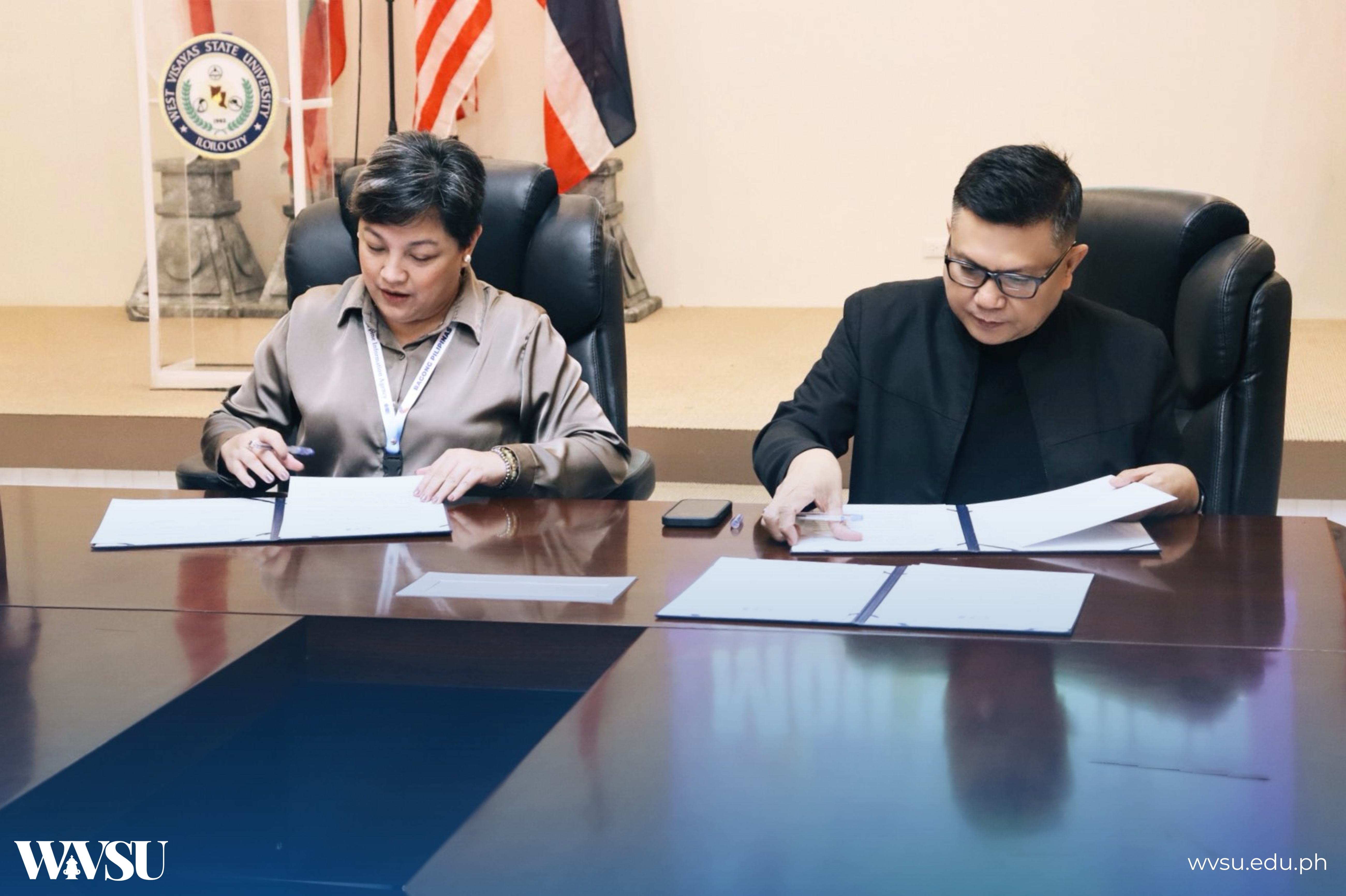
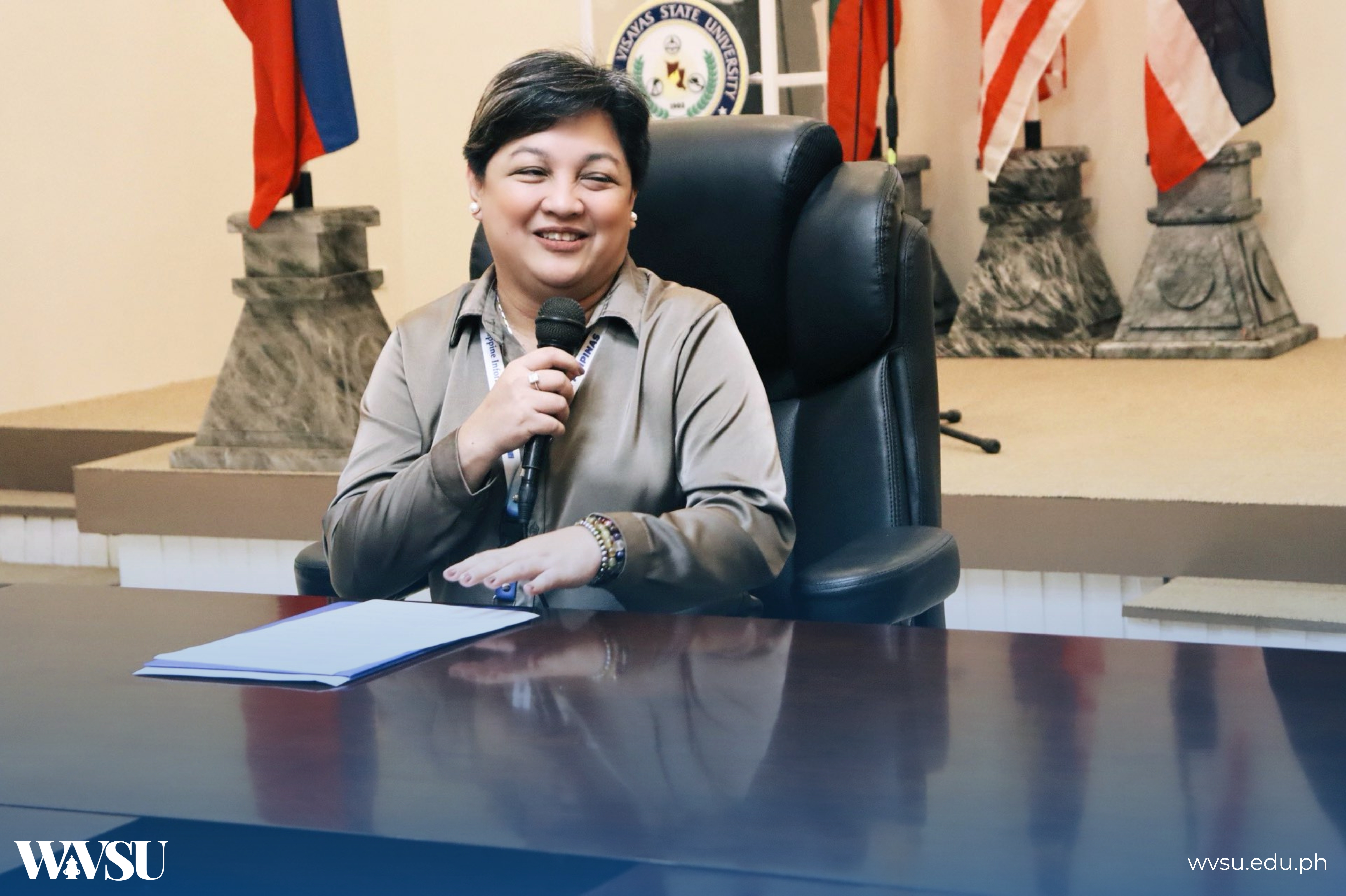
    West Visayas State University (WVSU) and the Philippine Information Agency Region VI (PIA VI) formally entered into a partnership today, April 25, through a Memorandum of Understanding (MOU) signing held at the WVSU campus.

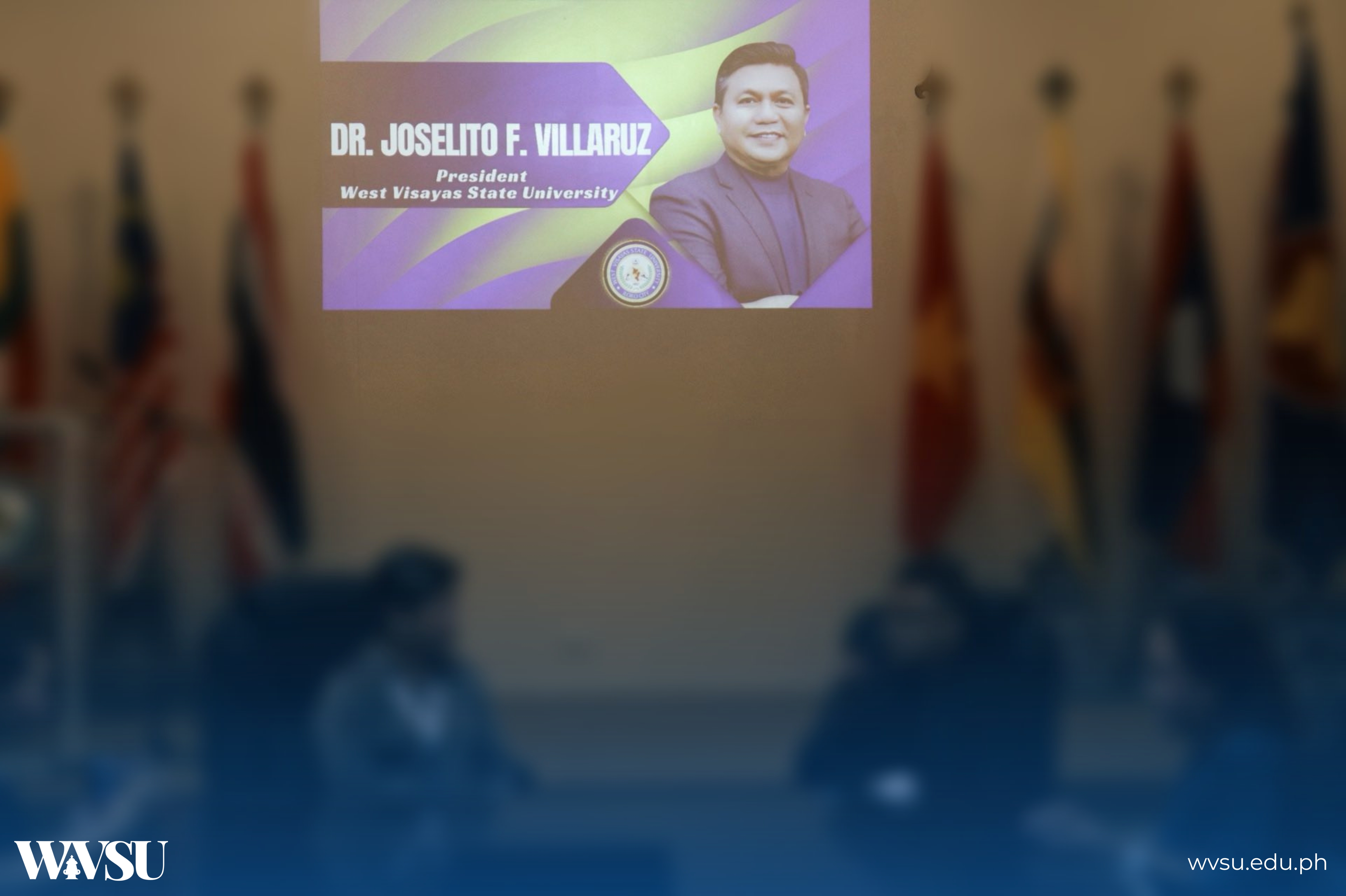
    The MOU was signed by Dr. Joselito F. Villaruz, President of WVSU, and EnP Cheryl B. Amor, Regional Head of PIA VI. The collaboration aims to strengthen collaboration between the university and the government in promoting sustainability, policy development, and civic engagement among students, faculty, and staff.

    “This partnership with PIA VI represents our collective commitment to ensuring that the truth is not only accessible but also amplified in the right ways. We at WVSU believe in the transformative power of communication — to educate, to empower, and to inspire change” said Dr. Villaruz.

    Under the agreement, WVSU and PIA VI will implement joint projects, information drives, workshops, and forums aimed at raising awareness on government policies, sustainable practices, and civic responsibility. The initiative will also provide avenues for students and faculty to engage in public discourse and contribute to policy discussions.

    Also present during the ceremonial signing were Ms. Easter Anne Doza, Assistant Regional Head of PIA VI; Mr. Franz Remar Garion, Information Officer II of PIA VI; Ms. Edel Carmela Subong-Csoka, Director of the International and Local Linkages Office (ILLO) of WVSU; and Prof. Lara Jeunesse Villaruel, faculty member of the College of Communication (COC).

    This strategic partnership marks a step forward in promoting responsive and responsible communication efforts, enhancing transparency, and supporting development goals across Western Visayas.

    By Gladwyn B. Gustilo/ILLO
  • WVSU-CAF, NEMSU share best practices in agricultural and forestry education

    WVSU-CAF, NEMSU share best practices in agricultural and forestry education

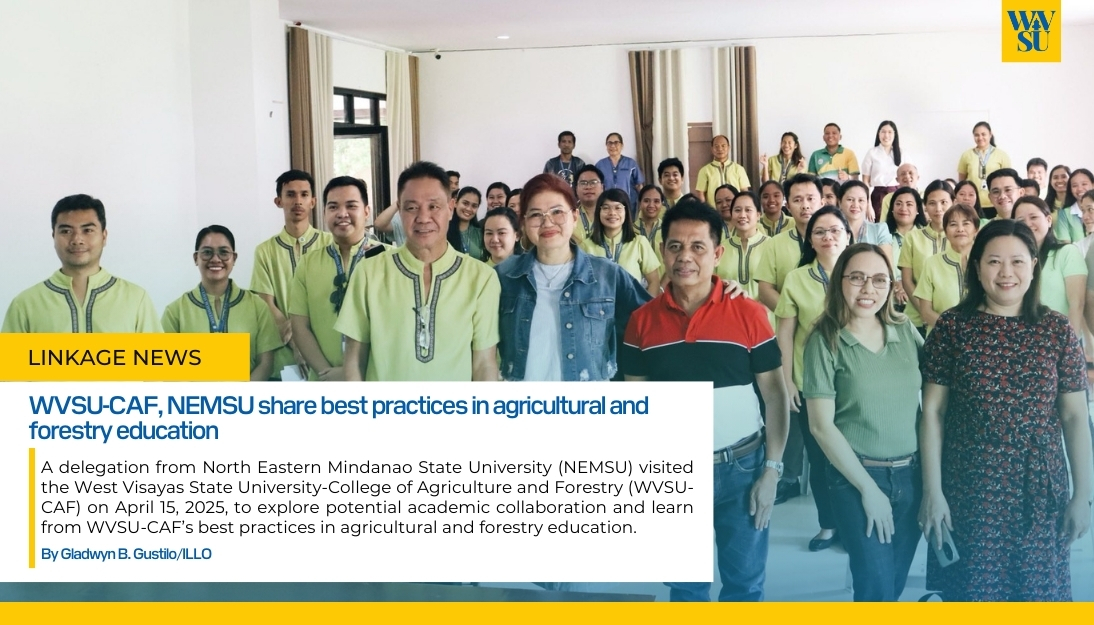
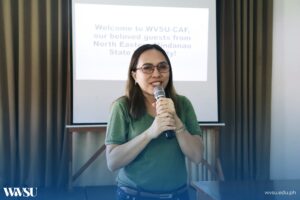
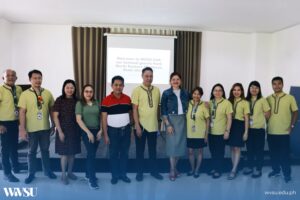
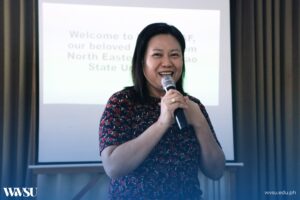
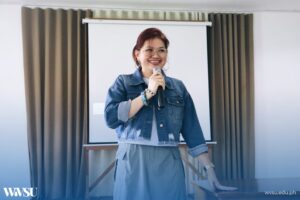
    A delegation from North Eastern Mindanao State University (NEMSU) visited the West Visayas State University-College of Agriculture and Forestry (WVSU-CAF) on April 15, 2025, to explore potential academic collaboration and learn from WVSU-CAF’s best practices in agricultural and forestry education.

    The NEMSU team was led by University President Dr. Nemesio G. Loayon, accompanied by Dr. Annie Y. Samarca, Dean of the College of Teacher Education; Dr. Marie Cristina C. Dela Cerna, Director of Extension Services; and Ms. Jenni Montero, Regional Manager of Camosun College, Canada and External Consultant for Internationalization.

    The visiting team was warmly welcomed by Dr. Joel Araquil Sr., Campus Administrator of CAF; Dr. Anthony Leal, Director of the College of Agriculture; Dr. Jerry A. Ceballos, Director of the College of Forestry; and Mr. Michael Gonzales, Internationalization (IZN) Coordinator.

    The discussion centered on academic program alignment, extension initiatives, and the sharing of best practices in curriculum development. Both universities expressed interest in forging partnerships for instruction, joint research, and internationalization efforts.

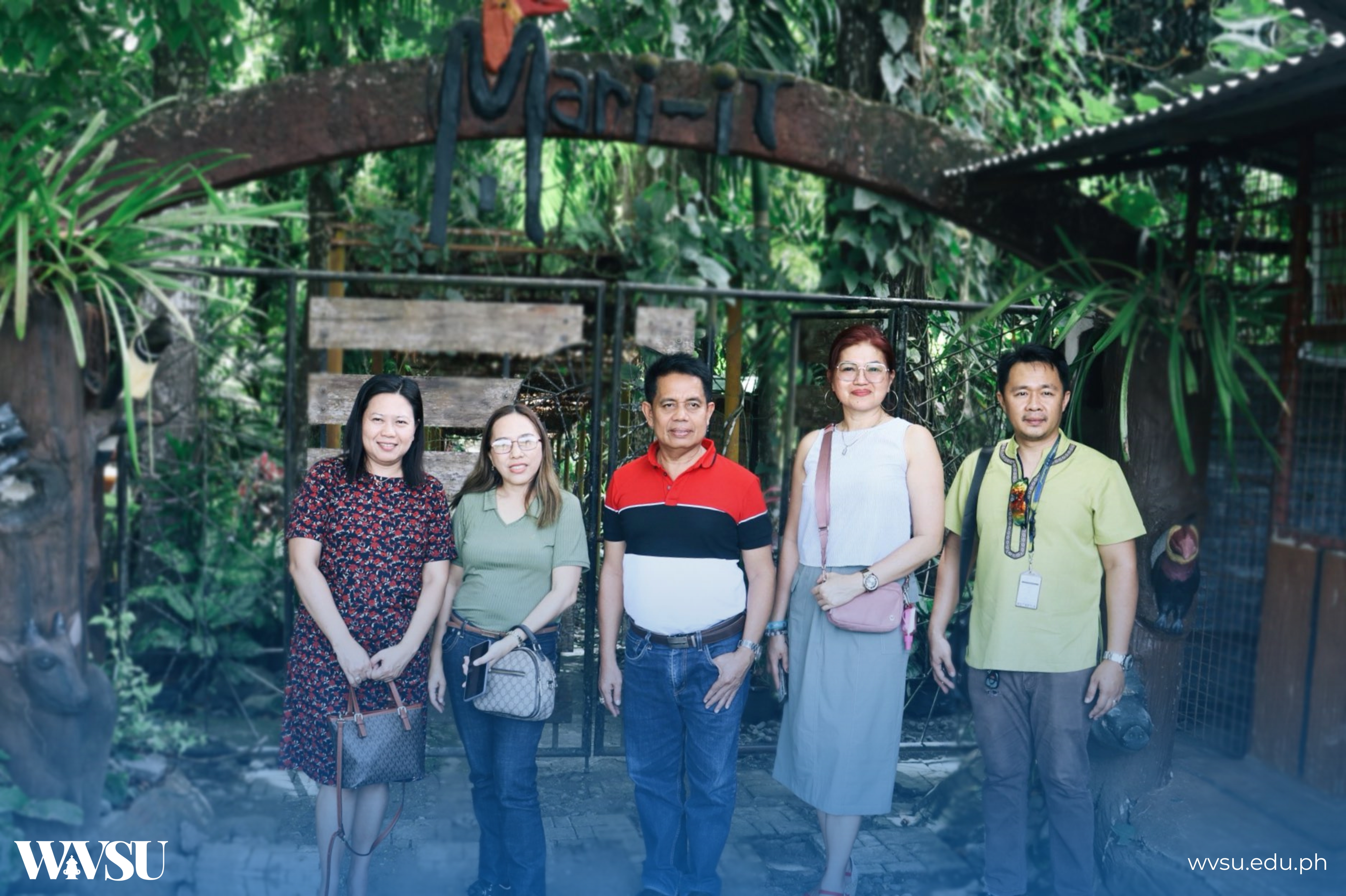
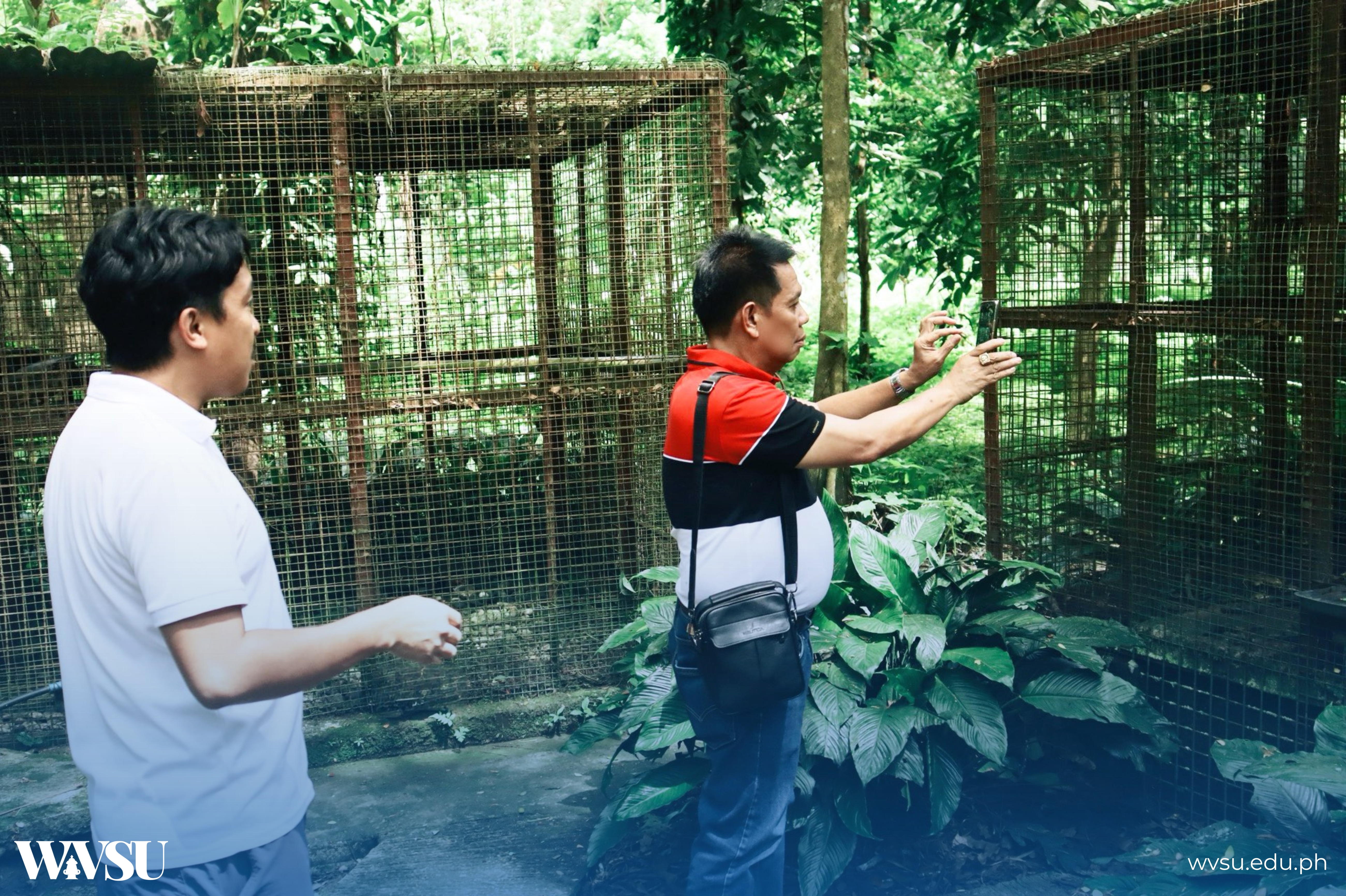
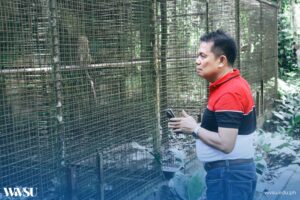
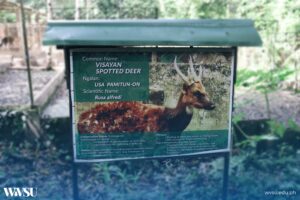
    As part of the visit, the NEMSU delegation toured the Mari-it Wildlife and Conservation Park. The tour sparked ideas for collaborative research focused on biodiversity conservation, sustainable practices, and environmental education—initiatives that aim to benefit not only both institutions but also the broader academic and local communities.

    #WVSUInternationalization#WVSUILLO
    #WVSUIZNCreatingLeadersChangingLives

    By Gladwyn B. Gustilo/ILLO

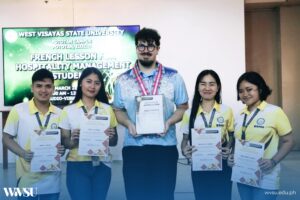
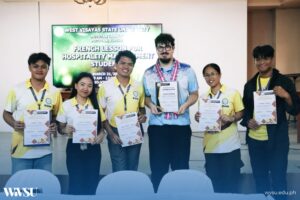
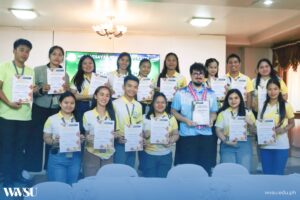
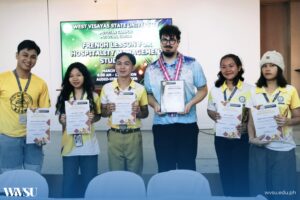
  • Learning Beyond Borders: WVSU-Pototan campus students dive into global culture with French Language Crash Course

    Learning Beyond Borders: WVSU-Pototan campus students dive into global culture with French Language Crash Course

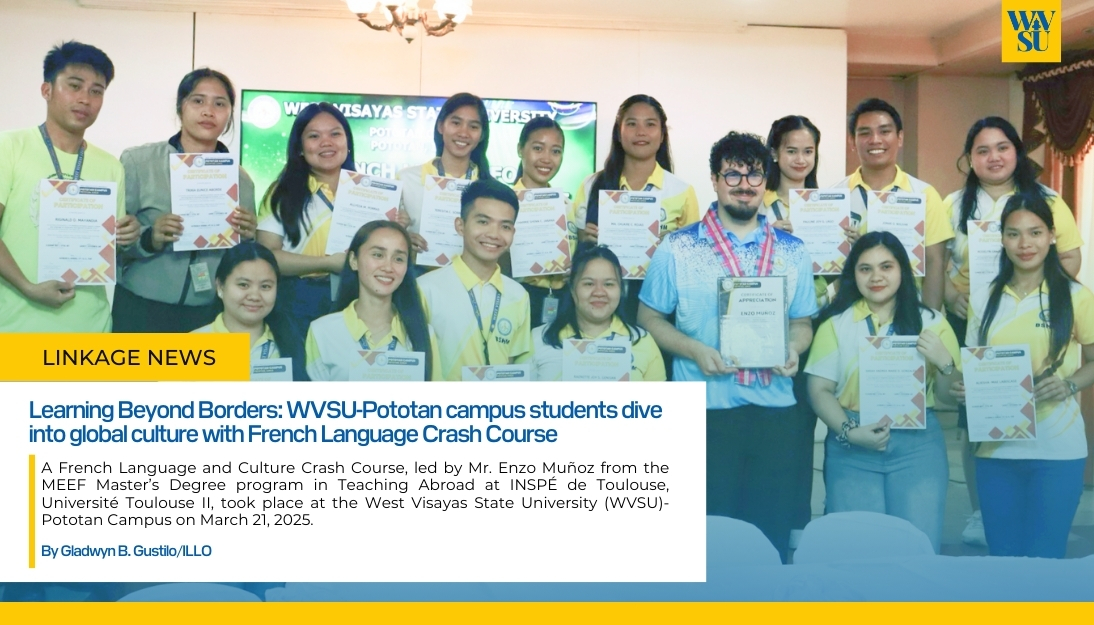
    A French Language and Culture Crash Course, led by Mr. Enzo Muñoz from the MEEF Master’s Degree program in Teaching Abroad at INSPÉ de Toulouse, Université Toulouse II, took place at the West Visayas State University (WVSU)-Pototan Campus on March 21, 2025.

    This crash course is part of WVSU International and Local Linkages Office’s continuing efforts to broaden the horizons of its students. Specifically designed for Hotel and Management students, the program provided participants with an immersive experience in French language and culture.

    Dr. Raymund B. Gemora, Campus Administrator of WVSU Pototan, welcomed the participants, highlighting the importance of foreign exchange programs in promoting cultural diversity. He emphasized how such initiatives provide new perspectives, ideas, and teaching approaches, which can lead to innovation in the classroom. “This foreign exchange internship is a significant opportunity for WVSU, allowing us to bring in new perspectives that can help us stay competitive in the globalized educational landscape,” Dr. Gemora said. He also acknowledged the unique skills foreign interns bring, such as language proficiency, global market knowledge, and technical expertise, all of which are valuable assets for the university.

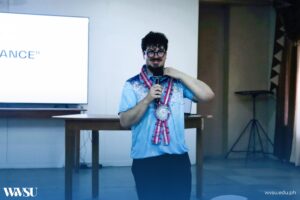
    Mr. Muñoz guided the students through basic French vocabulary, greetings, and cultural insights, encouraging a hands-on, interactive learning environment that helped students not only learn the language but also understand the nuances of French customs, etiquette, and traditions.

    The skills gained from the crash course, particularly the practical application of the language, will serve as a valuable asset to students pursuing careers in a global industry where multilingualism and cross-cultural competence are key.

    By Gladwyn B. Gustilo/ILLO
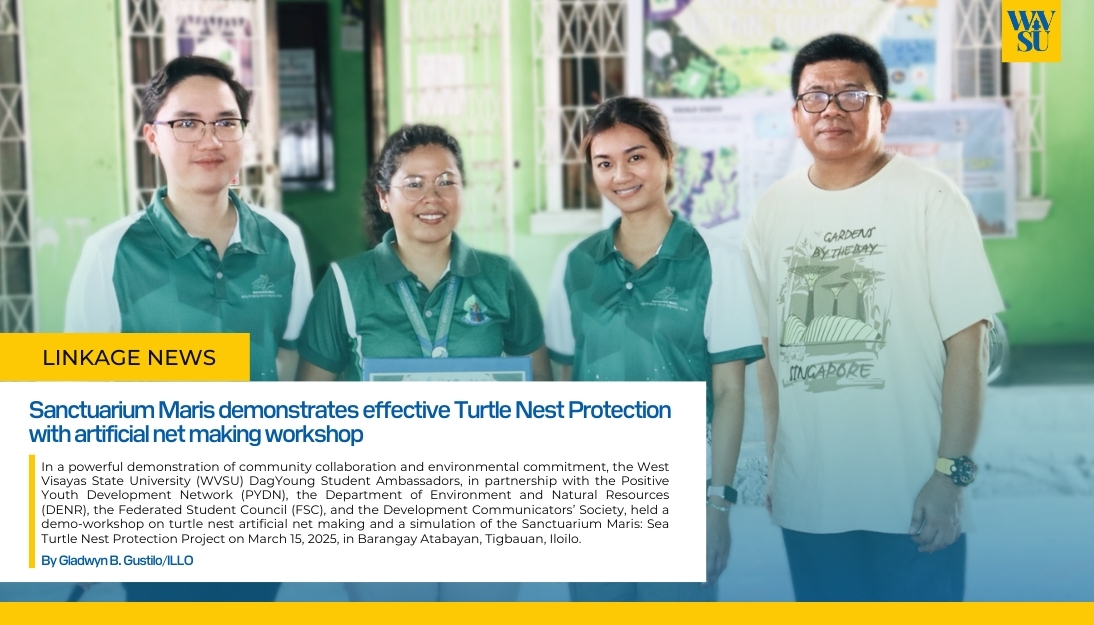
  • Sanctuarium Maris demonstrates effective Turtle Nest Protection with artificial net making workshop

    Sanctuarium Maris demonstrates effective Turtle Nest Protection with artificial net making workshop

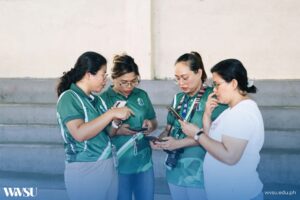
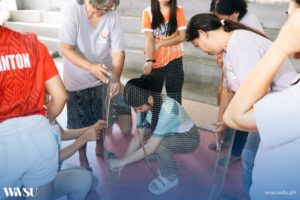
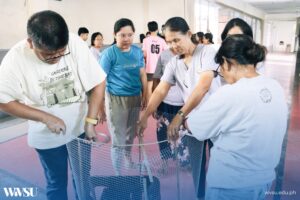
    In a powerful demonstration of community collaboration and environmental commitment, the West Visayas State University (WVSU) DagYoung Student Ambassadors, in partnership with the Positive Youth Development Network (PYDN), the Department of Environment and Natural Resources (DENR), the Federated Student Council (FSC), and the Development Communicators’ Society, held a demo-workshop on turtle nest artificial net making and a simulation of the Sanctuarium Maris: Sea Turtle Nest Protection Project on March 15, 2025, in Barangay Atabayan, Tigbauan, Iloilo.

    Funded by the Embassy of France to the Philippines and Micronesia, this project underscores WVSU’s strong dedication to sustainability, conservation, and volunteerism. The DagYoung Student Ambassadors, under the International and Local Linkages Office (ILLO), spearheaded the initiative, demonstrating the power of student leadership in driving positive environmental change that benefits both the community and the environment.

    Cyndy Sol G. Rodrigo, an Ecosystem Management Specialist II and Regional Alternate Youth Desk Officer of DENR VI, provided the participants with valuable insights into the handling of marine turtles. She emphasized the various situations in which a live marine turtle may need to be handled, including after nesting, during rescue operations, prior to release, or when being rehabilitated.

    The workshop also covered the sequential stages of marine turtle nesting, which can take up to six hours to complete. This process involves several steps, such as stranding, crawling from the surf to the nest site, clearing and excavating the nest hole, and laying eggs. Afterward, the nest is filled and camouflaged to ensure the safety of the eggs. In some cases, intervention may be necessary to relocate nests in high-risk areas, particularly when there is a risk of flooding, beach erosion, or predation.

    The workshop also included the importance of hatchling emergence, which typically occurs between 45 to 75 days after the eggs are laid. The emergence process, which happens in the late evening, can be slow at first but eventually speeds up as more hatchlings emerge from the nest. To minimize predation risks, it is advised to release the hatchlings in multiple locations, at dusk or dawn, and away from artificial light sources.

    Finally, participants learned about citizen science and its role in mapping sea turtle nesting sites. Tools such as smartphones, mobile apps, and paper notes were highlighted as essential resources for gathering data and contributing to the ongoing conservation efforts.

    This collaborative effort showcases the power of local communities in protecting marine life and preserving the environment for future generations.

    By Gladwyn B. Gustilo/ILLO
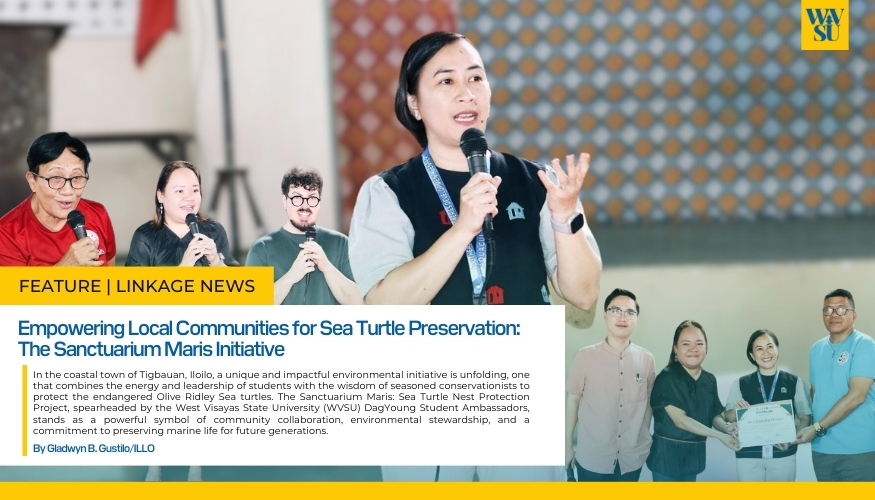
  • Empowering Local Communities for Sea Turtle Preservation: The Sanctuarium Maris Initiative

    Empowering Local Communities for Sea Turtle Preservation: The Sanctuarium Maris Initiative

    In the coastal town of Tigbauan, Iloilo, a unique and impactful environmental initiative is unfolding, one that combines the energy and leadership of students with the wisdom of seasoned conservationists to protect the endangered Olive Ridley Sea turtles. The Sanctuarium Maris: Sea Turtle Nest Protection Project, spearheaded by the West Visayas State University (WVSU) DagYoung Student Ambassadors, stands as a powerful symbol of community collaboration, environmental stewardship, and a commitment to preserving marine life for future generations.

    On February 22, 2025, the project held its second seminar-training in Barangay Atabayan, a key nesting site for the Olive Ridley Sea turtle. The event gathered students, local officials, environmental advocates, and community members, united by a shared mission: to protect sea turtles and safeguard their fragile nesting grounds.

    A Collective Effort for Conservation

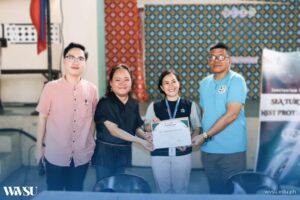
    At the heart of this initiative is the partnership between the WVSU DagYoung Student Ambassadors, the Positive Youth Development Network (PYDN), the Department of Environment and Natural Resources (DENR), the WVSU Federated Student Council (FSC), and the Development Communicators’ Society. Funded by the Embassy of France to the Philippines and Micronesia, the Sanctuarium Maris project is a testament to what can be achieved when organizations, students, and local communities come together to tackle pressing environmental issues.

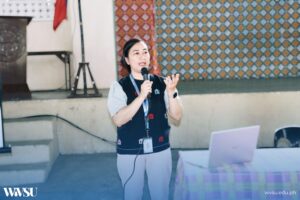
    “The Sanctuarium Maris project is not just about protecting sea turtles; it is about fostering a sense of shared responsibility,” said Ms. Edel Carmela Subong-Csoka, Director of the WVSU International and Local Linkages Office, during her opening speech. She stressed that the project represents the start of a sustainable conservation movement that aims to preserve marine life for future generations.

    Education as the Cornerstone of Conservation

    One of the most striking aspects of the seminar-training was its focus on education. With the expertise of the resource speaker, participants were provided with practical knowledge and tools to ensure the survival of sea turtles and their nesting sites.

    Ms. Hananiah Pitogo, In-Charge of the Southeast Asian Fisheries Development Center (SEAFDEC)- Tigbauan Fishworld, delivered an engaging talk on the handling of sea turtle eggs and hatchlings. Her insights were invaluable to participants, many of whom are residents of Barangay Atabayan. She emphasized the importance of proper egg handling, the establishment of marine protected areas, and the role of community-based monitoring systems in fostering long-term conservation efforts.

    Pitogo’s presentation also highlighted the dangers that sea turtle nests face, particularly from human activity. “The survival of sea turtles depends not just on the protection of their habitats but on educating local communities about the best practices for conserving them,” Pitogo noted.

    A Symbol of Hope for the Olive Ridley Sea Turtle

    The Olive Ridley Sea turtle, classified as vulnerable by the International Union for Conservation of Nature (IUCN), is one of the primary species benefiting from the Sanctuarium Maris project. Barangay Atabayan, known for being one of the Philippines’ significant nesting sites for these turtles, has long faced challenges in protecting the species. Human activities such as fishing and encroachment on nesting sites have contributed to the decline in their population.

    In recent years, local conservation efforts have yielded promising results. Between 2001 and 2011, more than 100 turtles were reported stranded, many of which had injuries due to human activity. But as awareness about the importance of sea turtle conservation grew, so did the number of successful rescues. In 2020 alone, 11 turtles were rescued by local volunteers, highlighting the region’s growing commitment to preserving these marine creatures.

    Looking Ahead: A Sustainable Future for Sea Turtles

    As the Sanctuarium Maris project continues to grow, its impact extends beyond just the shores of Atabayan. The collaborative efforts of WVSU, local government units, community members, and conservationists are laying the foundation for a more sustainable and environmentally-conscious future for Iloilo and the Philippines as a whole.

    With a focus on education, community involvement, and practical conservation strategies, the Sanctuarium Maris project is poised to leave a lasting legacy. As local residents and students continue to work together, their collective efforts will ensure that the Olive Ridley Sea turtles have a fighting chance at survival—making Barangay Atabayan a symbol of hope for marine conservation efforts around the world.

    By Gladwyn B. Gustilo/ILLO