WVSU

Tag: 13

TAKE URGENT ACTION TO COMBAT CLIMATE CHANGE AND ITS IMPACTS.

Climate change is a real and undeniable threat to our entire civilization.The effects are already visible and will be catastrophic unless we act now. Through education, innovation and adherence to our climate commitments, we can make the necessary changes to protect the planet. These changes also provide huge opportunities to modernize our infrastructure which will create new jobs and promote greater prosperity across the globe.

  • Since Then: The Agricultural Growth of the Seven Cities

    Since Then: The Agricultural Growth of the Seven Cities

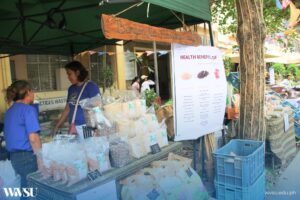
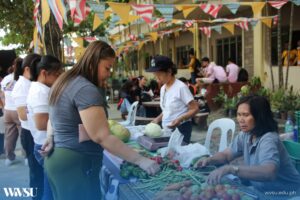
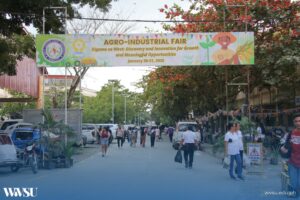
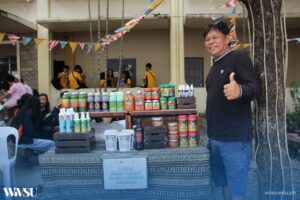
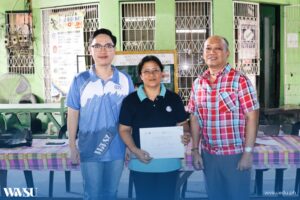
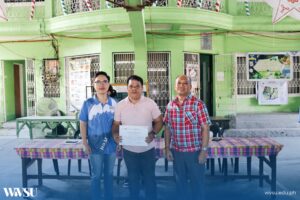
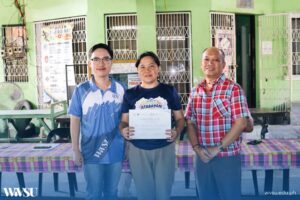
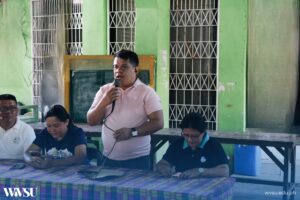
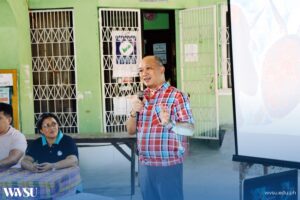
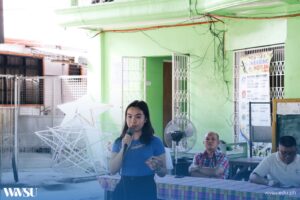
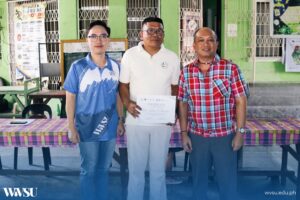
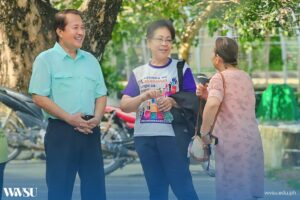
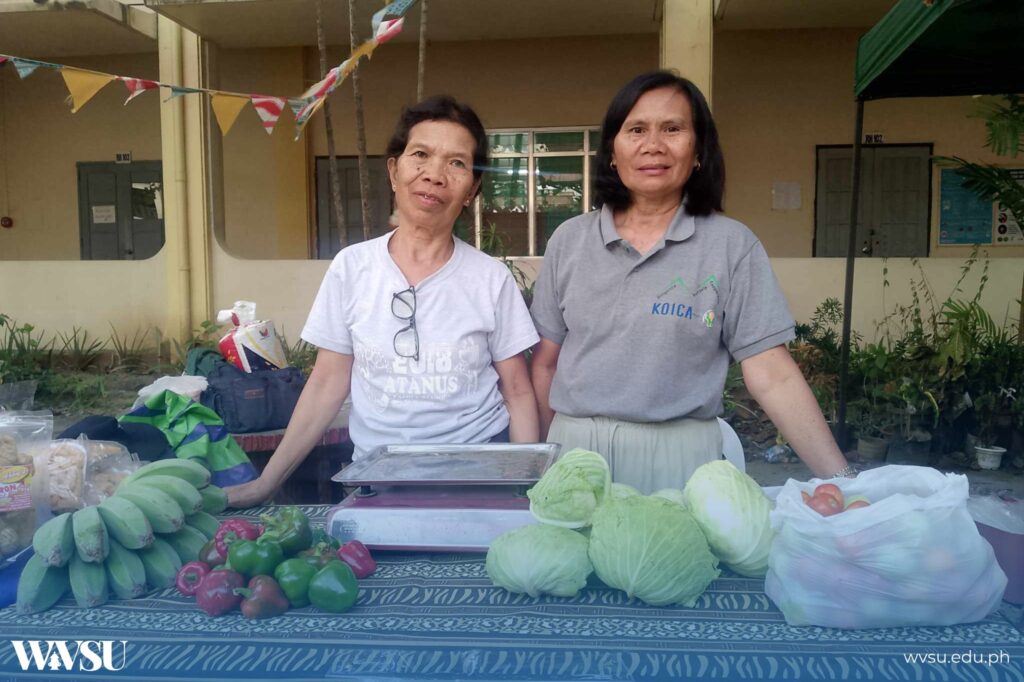
    By the time the Agro-Industrial Fair opened its doors on January 27, marking the first day of University Days, colorful stalls bustled with enthusiastic patrons. Yet one stall stood noticeably different—not because it lacked appeal, but because it was nearly wiped clean. The Alimodian Agriculture Cooperative (Seven Cities) had already sold most of its produce, leaving the women running the booth with little else to do but relax.


    Seated behind a tower of empty baskets, Virgie Aldamar, 60, and Imelda Catanus, 67, seemed pleasantly surprised by their swift success. It was only 1 p.m., yet they were already making calls back home to replenish their inventory. The demand spoke volumes about the quality of their produce.


    “High-value crops,” they called them. Bell peppers, cabbages, carrots, tomatoes, string beans, sayote—everything had flown off the table by midday. All these vegetables were grown on their own land and nurtured through advanced farming techniques, including greenhouse cultivation, a new addition they built in March of last year.


    Virgie and Imelda shared another innovation they swear by: Indigenous Microorganisms (IMO) as a natural alternative to conventional fertilizers. These microorganisms, which include fungi, bacteria, and yeast found in soil and living organisms, not only speed up plant growth but also reduce toxic chemicals in the soil. They adopted this method after attending seminars hosted by the Korea International Cooperation Agency, which has partnered with the Department of Agriculture for three decades to strengthen Philippine agriculture.


    For Virgie and Imelda, farming is both heritage and innovation. They’ve been vending vegetables as cooperative members for four years, but their farming roots go deeper. “Since then,” they answered simply when asked how long they’d been cultivating crops. They inherited their green thumbs from parents who farmed rice and corn fields.


    Their produce is more than just a product of soil and rain—it’s a fusion of traditional wisdom and forward-thinking technology. Breaking away from chemical-heavy fertilizers, they believe, results in healthier crops and healthier lives.


    Their success at the fair wasn’t just about their high-value crops, though. While other vendors leisurely set up their stalls, Virgie and Imelda were ready for business by 9 a.m., proving that the early bird truly does get the worm—and, in this case, gets to relax far earlier than the rest of the flock.


    Story by Trixie Aurelia Ningas, Hazelyn Aliboso, Ryde Rendell Ponsaran, and Kaela Jamelo/Specialized Beat Reporting Class under Dr. Hazel P. Villa

    Photos by Trixie Aurelia Ningas

    475319984_122218147934070830_7914950671884634464_n
  • WVSU President outlines bold achievements and vision for the future

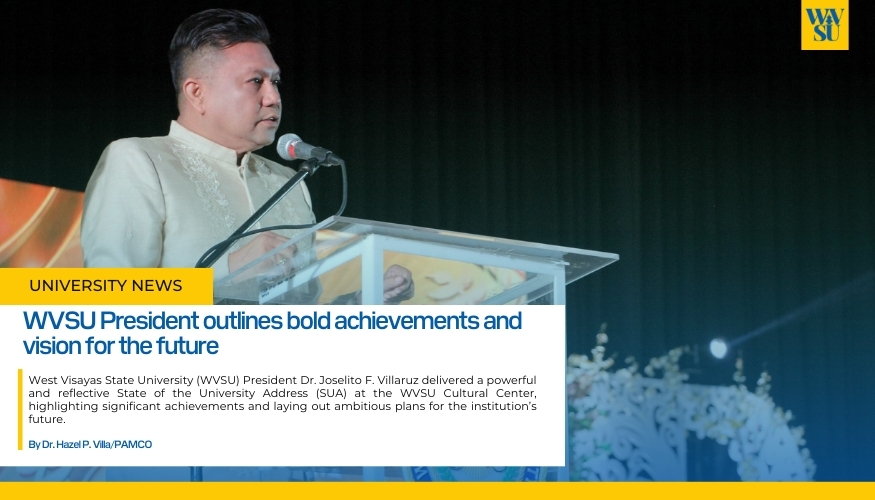
    WVSU President outlines bold achievements and vision for the future

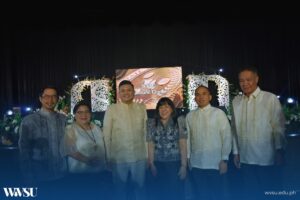
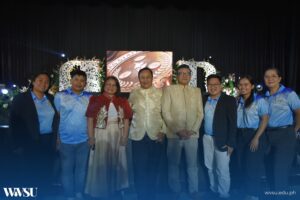
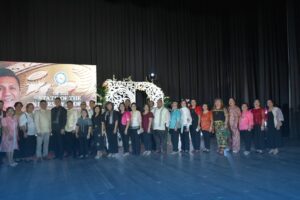
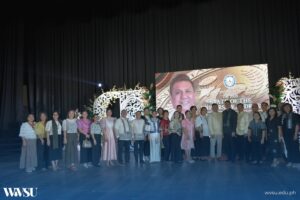
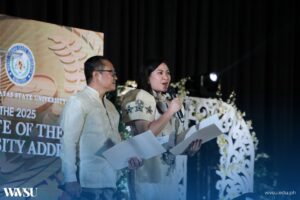
    West Visayas State University (WVSU) President Dr. Joselito F. Villaruz delivered a powerful and reflective State of the University Address (SUA) at the WVSU Cultural Center, highlighting significant achievements and laying out ambitious plans for the institution’s future.

    Anchored on eight priority areas, Dr. Villaruz’s speech of 14 pages accompanied by a PowerPoint Presentation and delivered in an hour and 6 minutes emphasized WVSU’s commitment to research, global partnerships, quality education, and infrastructure development—all aligned with national and global educational goals.

    Research and Innovation Excellence

    The university recorded a robust output of 274 research projects in 2024, following a peak of 279 in 2023. WVSU earned top recognition from the Commission on Higher Education (CHED) and the Intellectual Property Office of the Philippines. Notably, faculty member Dr. Ryan Michael Oducado was included among the top 2% of scientists globally.

    Global Partnerships and Exchange Programs

    WVSU expanded its international collaborations, hosting exchange programs with Jeju National University (South Korea), Mohawk College (Canada), and Universitas Ahmad Dahlan (Indonesia). The university also welcomed two Spanish interns and 20 Korean students for immersive experiences.

    Program Development and New Offerings

    The introduction of the innovative seven-year WVSU Expedited Select Track for Medicine (WEST Med) program and the upcoming launch of a Bachelor of Science in Radiology reflect WVSU’s response to healthcare demands. The College of Law maintained its status as the top-performing school in the national bar exams.

    Infrastructure Modernization

    The university completed major projects, including the construction of the Doctor of Dental Medicine Building Phase 2 and rehabilitation of the grandstand. Plans are underway for a 15-story medical arts and multi-specialty tower.

    Quality Assurance Achievements

    WVSU achieved a 100% accreditation rate for its undergraduate programs and ranked among the top 25 Philippine universities in the QS Asia Rankings. It also became a member of the United Nations Academic Impact and applied for ASEAN University Network-Quality Assurance membership.

    Faculty and Staff Development

    Over 419 faculty members received promotions, and 572 faculty were trained in various programs, achieving a 100% student satisfaction rate in performance evaluations. International scholarships increased, contributing to WVSU’s rising QS rankings.

    Student Empowerment and Cultural Achievements

    WVSU students excelled in international competitions, with the Grupo del Oeste winning the Sinamba sa Regatta Grand Championship. Despite shifting from second to third in the SCUAA Regional Meet, athletes secured multiple individual medals.

    Medical Advancements at UMC

    The University Medical Center expanded services, including the renovation of the operating room complex and the construction of a multi-specialty tower. Admissions grew from 6,468 in 2021 to 9,936 in 2024.

    Institutional and Administrative Reforms

    The deployment of the Human Resource Information System (HRIS) streamlined processes, while the university maintained strong fiscal management with grants totaling ₱600.8 million in 2023.

    Sustainability and Green Initiatives

    Dr. Villaruz reaffirmed WVSU’s commitment to reducing its carbon footprint through renewable energy initiatives and sustainable infrastructure projects.

    Call for Transformation

    Reflecting on WVSU’s journey, Dr. Villaruz posed the question: “Quo vadis, Taga-West?”—Where are we going? He emphasized the non-negotiable need to transform WVSU into a research university.

    With a focus on student empowerment, the president called for enhanced academic programs, increased global opportunities, and stronger partnerships to prepare graduates for the challenges of the future.

    Dr. Villaruz expressed his gratitude to the WVSU Board of Regents, faculty, and students for their unwavering support, stressing that their collective efforts had propelled the university to greater heights.

    As he concluded his speech, Dr. Villaruz introduced the university’s new battle cry: Transforming Generations. He underscored the administration’s pledge to continue fostering innovation, excellence, and societal transformation.

    By Dr. Hazel P. Villa/PAMCO

    Photos by PAMCO

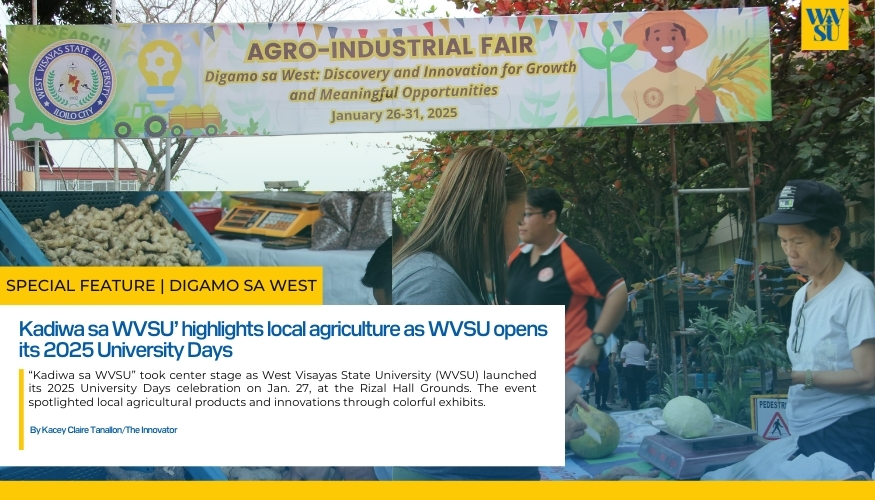
  • ‘Kadiwa sa WVSU’ highlights local agriculture as WVSU opens its 2025 University Days

    ‘Kadiwa sa WVSU’ highlights local agriculture as WVSU opens its 2025 University Days

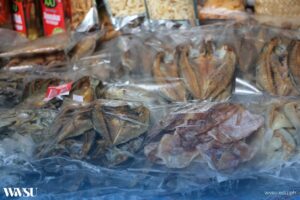
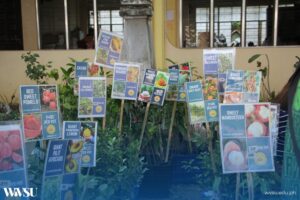
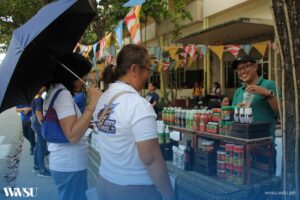
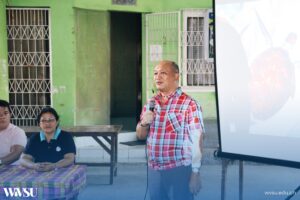
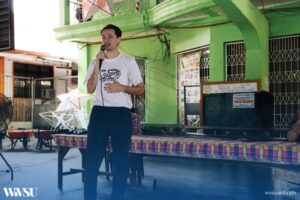
    “Kadiwa sa WVSU” took center stage as West Visayas State University (WVSU) launched its 2025 University Days celebration on Jan. 27, at the Rizal Hall Grounds. The event spotlighted local agricultural products and innovations through colorful exhibits.

    Opening at 1 p.m., the soft launch transformed the Rizal Hall Grounds into a vibrant hub of discovery, underscoring WVSU’s dedication to promoting sustainable practices and community development.

    In his remarks, WVSU President Dr. Joselito F. Villaruz emphasized the vital role of agriculture in society. “Through initiatives like ‘Kadiwa sa West,’ we are not only creating opportunities for our local producers but also fostering a deeper appreciation for agriculture as the backbone of our economy and culture,” he said.

    The event formally began with a ribbon-cutting ceremony at the Rizal Hall Grounds, led by Dr. Villaruz along with university administrators, deans, directors, and Department of Agriculture officials.

    Students, faculty, and visitors explored the exhibits, which featured agricultural innovations, cultural showcases, and locally produced goods. Each display reflected WVSU’s commitment to empowering local communities and supporting sustainable initiatives.

    The “Kadiwa sa WVSU” exhibits will be open to the public until January 31, offering a week-long celebration of collaboration, innovation, and local ingenuity.

    Story by Kacey Claire Tanallon/The Innovator

    Photos by PAMCO

  • Three WVSU students step into teaching roles at Taiwan’s Leading English Immersion Camp

    Three WVSU students step into teaching roles at Taiwan’s Leading English Immersion Camp

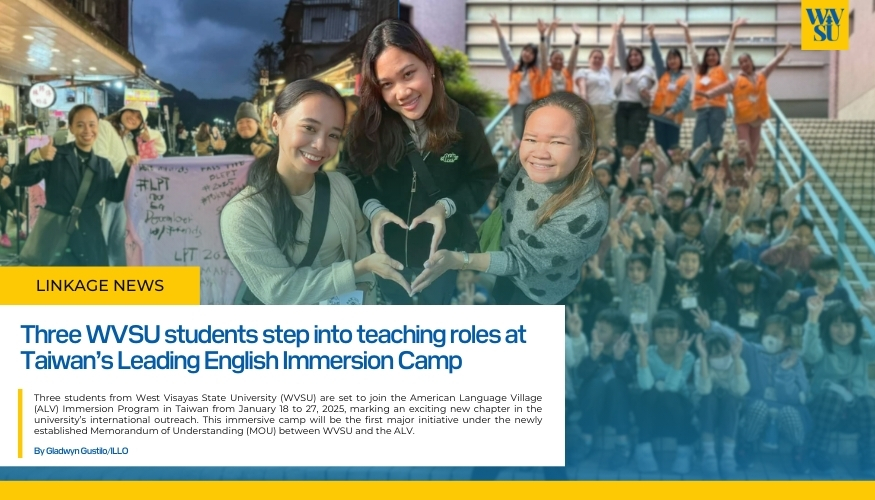
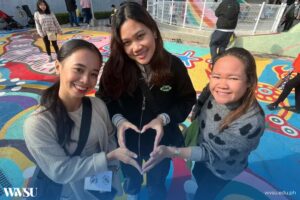
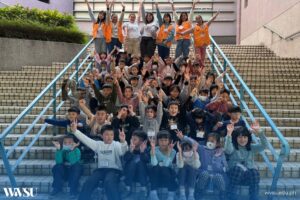
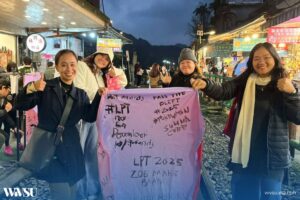
    Three students from West Visayas State University (WVSU) are set to join the American Language Village (ALV) Immersion Program in Taiwan from January 18 to 27, 2025, marking an exciting new chapter in the university’s international outreach. This immersive camp will be the first major initiative under the newly established Memorandum of Understanding (MOU) between WVSU and the ALV.

    The selected students will act as teacher assistants, playing a pivotal role in facilitating group activities, supporting language instruction, and assisting with cultural programs integral to the camp’s curriculum. Maria Fe Tianes is a student from the WVSU Himamaylan Campus, enrolled in the School of Education, while Zoe Marie Baaya and Le Gerlaine Mondejar are both 4th-year Bachelor of Secondary Education (BSED) English students from the Main Campus, College of Education (COE).

    Accompanying them will be Prof. Edel Carmela S. Subong-Csoka, Director of the International and Local Linkages Office, and Prof. Esperval Cezhar H. Cadiao, College Secretary of the College of Education. Together, this group of students and faculty members will represent WVSU at the renowned camp in Taiwan, which was established in 1992 as the country’s first and only English immersion camp.

    For the WVSU delegation, this opportunity goes beyond the teaching skills they will acquire; it is an invaluable experience that will deepen their understanding of global perspectives and prepare them to become more effective educators. As future teachers, the skills and insights they gain at the ALV will be instrumental in helping them teach their students not only English but also important values of global citizenship, cultural awareness, and environmental stewardship.

    This immersion program aligns perfectly with WVSU’s commitment to fostering global learning opportunities for its students. By exposing them to international teaching environments and cross-cultural experiences, WVSU is preparing its future educators to take on leadership roles and contribute meaningfully to the ever-changing educational landscape.

    Story by Gladwyn Gustilo/ILLO

  • Sanctuarium Maris Project inspires action for sea turtle nest preservation

    Sanctuarium Maris Project inspires action for sea turtle nest preservation

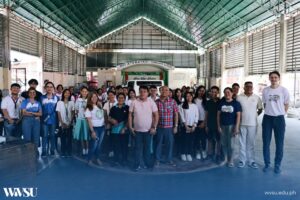
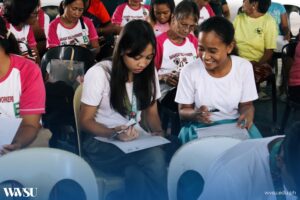
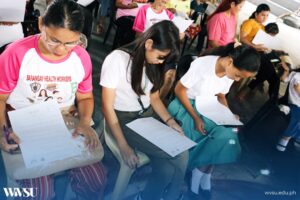
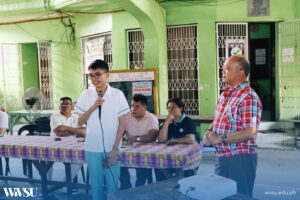
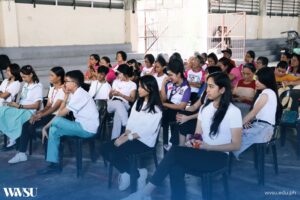
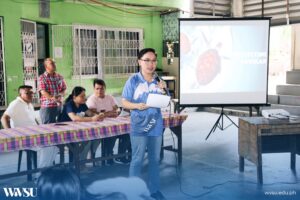
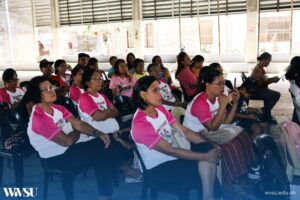
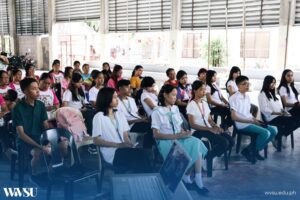
    On December 16, 2024, the DagYoung Student Ambassadors of West Visayas State University (WVSU), in partnership with the Positive Youth Development Network (PYDN), Federated Student Council (FSC), and the Development Communicators’ Society, successfully held the first training-seminar for the Sanctuarium Maris: Sea Turtle Nest Protection Project in Barangay Atabayan, Tigbauan, Iloilo.

    This project, funded by the Embassy of France to the Philippines and Micronesia, is driven by the student ambassadors, a university-recognized internationalization arm of WVSU International and Local Linkages Office, showcases the power of volunteerism, community collaboration, and sustainable environmental stewardship.

    Amabela Fiona Le B. Benid, a DagYoung Student Ambassador, opened the seminar by presenting project’s rationale and the importance of Barangay Atabayan as a nesting ground for olive ridley turtles (Lepidochelys olivacea), a species classified as vulnerable by the International Union for Conservation of Nature (IUCN). She noted that the barangay has served as a frequent nesting ground for sea turtles, while also experiencing high rates of stranded and injured turtles.

    Barangay Captain Hon. Edison T. Camiña followed with a discussion on the “Power of Atabayan Unity for Environmental Projects,” stressing the significance of community collaboration in addressing environmental challenges. Sangguniang Barangay Member Hon. Julius E. Trafalgar underscored the importance of volunteerism, while Hon. Rowena C. Torrechante highlighted the critical roles of women and youth in achieving positive and sustainable change.

    A key segment of the seminar was led by Forester Jojie P. Gereza from the Department of Environment and Natural Resources (DENR) Community Environment and Natural Resources Office (CENRO) in Guimbal. Gereza provided an in-depth discussion on sea turtle biology, conservation protocols, and proper procedures for responding to stranded or injured turtles.

    The forum was facilitated by Dr. Ricky Abaleña III, the project’s Strategies and Communication Consultant, and commenced by DagYoung Student Ambassador Johnric G. Vargas, Special Projects Coordinator. Participants engaged in discussions on community education strategies, nest identification, and the role of local government units in incentivizing conservation initiatives.

    The Sanctuarium Maris project is designed to unfold in phases, starting with community education to enhance awareness about sea turtle conservation. It also aims to empower women and youth to identify, monitor, and protect nesting grounds while fostering a deeper understanding of marine life’s ecological importance. The project further provides opportunities for local government units to support conservation efforts through data-driven incentives.

    Barangay Atabayan has long been recognized as a critical nesting site for sea turtles, with reports of hatchlings emerging on its shores as recently as 2020. However, the community also faces challenges, such as stranded and injured turtles, a trend reflected in multiple sightings over the years. According to local data, from 2001 to 2011, 109 sea turtles were spotted in the area, many of which were wounded. In 2020 alone, 11 turtles were rescued from fish traps or found stranded along the coast.

    Given the community’s reliance on fishing as a primary source of livelihood, the project introduces strategies that merge conservation with practical and economic benefits. By involving women and youth, the Sanctuarium Maris initiative seeks to build a network of “first responders” who are trained to protect sea turtles and ensure their safe return to the ocean.

    The first training-seminar underscores WVSU’s leadership in promoting environmental responsibility and volunteerism. Through this initiative, the university, together with its partner organizations and the Atabayan community, sets a foundation for protecting endangered marine species while inspiring collective action for environmental sustainability.

    With the combined efforts of WVSU’s student organizations, government leaders, and residents, Sanctuarium Maris sets an inspiring example of what leadership and collaboration can achieve. As sea turtles return to Tigbauan’s shores year after year, they will find not only a safe haven but a community dedicated to their protection.

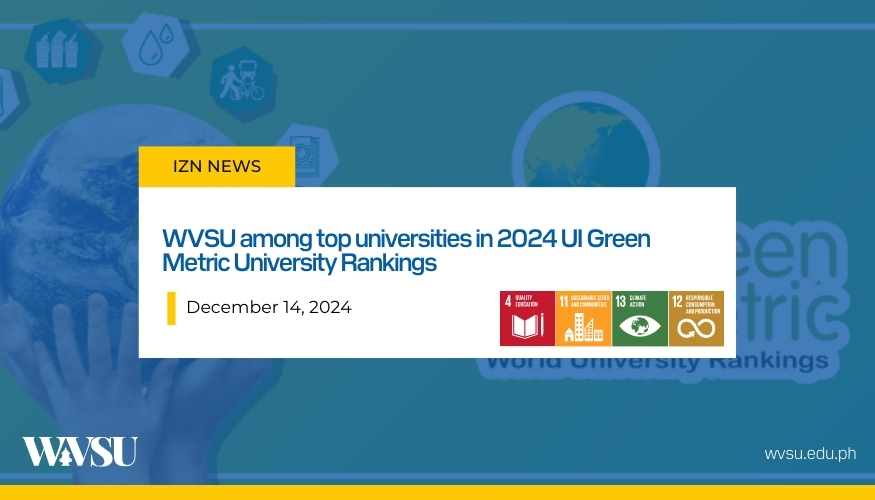
  • WVSU among top universities in 2024 UI Green Metric University Rankings

    WVSU among top universities in 2024 UI Green Metric University Rankings

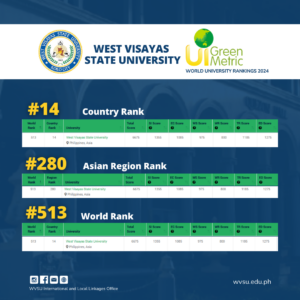
    West Visayas State University (WVSU) has achieved a significant milestone by securing the 513th spot in the 2024 UI GreenMetric (UIGM) World University Rankings (WUR). This remarkable feat positions WVSU at 280th in Asia and 14th in the Philippines, further solidifying its reputation as a leader in sustainability and innovation.

    The university’s consistent rise in global rankings reflects its steadfast commitment to environmental stewardship, innovation, and the advancement of the United Nations Sustainable Development Goals (SDGs). These accomplishments underscore WVSU’s dedication to effective operations and progressive strategies aimed at fostering a sustainable future.

    The 15th edition of the UIGM WUR featured 1,477 universities from 95 countries, showcasing institutions at the forefront of sustainable practices. The rankings were officially announced on December 12 during the UIGM Conference in São Paulo, Brazil. This globally recognized initiative evaluates universities based on six key indicators: setting and infrastructure, energy and climate change, waste, water, transportation, and education.

    The UI Green Metric Rankings have become an essential platform for promoting institutional growth, quality assurance, and internationalization. They inspire universities worldwide to prioritize sustainability and continuously improve their environmental impact.

    At the heart of WVSU’s rise in the rankings is its dedication to advancing sustainable practices across all facets of university life. From integrating sustainability into its curriculum and research to implementing green infrastructure and community outreach programs, WVSU has established itself as a model institution.

    As WVSU celebrates this achievement, it remains committed to sustaining its momentum and exploring innovative solutions to further champion sustainable development.

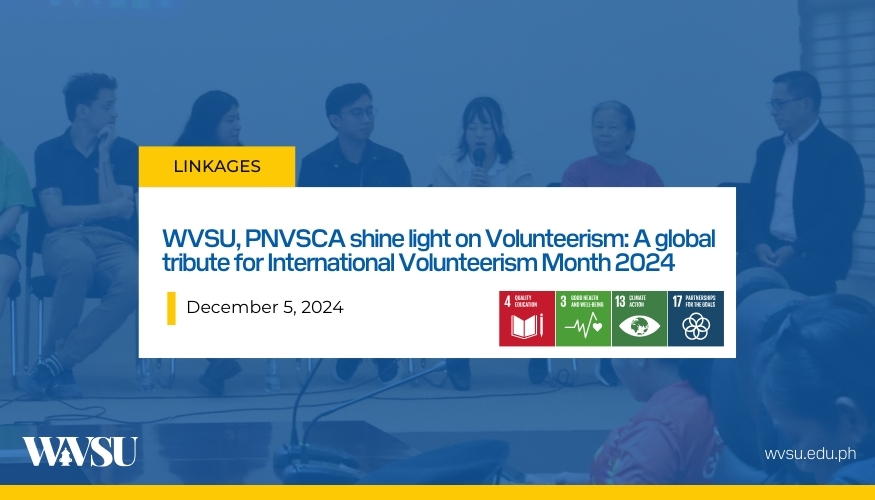
  • WVSU, PNVSCA shine light on Volunteerism: A global tribute for International Volunteerism Month 2024

    WVSU, PNVSCA shine light on Volunteerism: A global tribute for International Volunteerism Month 2024

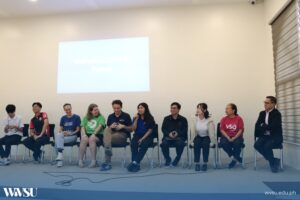
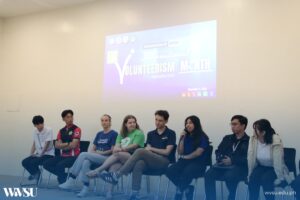
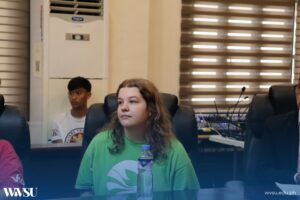
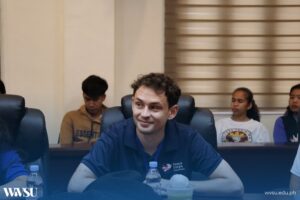
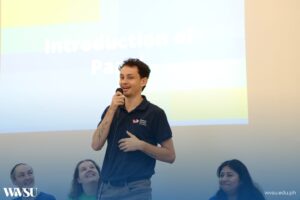
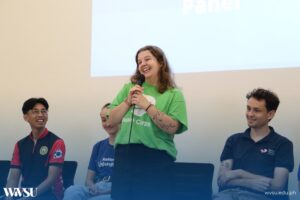
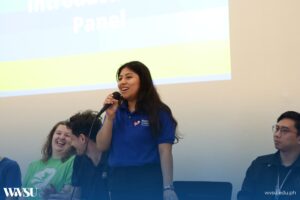
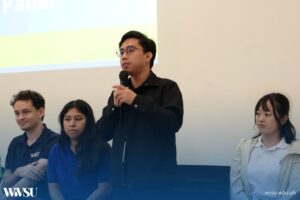
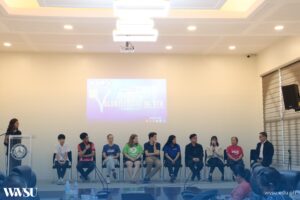
    Iloilo City, December 5, 2024 — The West Visayas State University (WVSU), through its International and Local Linkages Office (ILLO) and the College of Agriculture and Forestry (CAF) Emergency Response Team, in partnership with the Philippine National Volunteer Service Coordinating Agency (PNVSCA), marked the Volunteerism at WVSU: The International Volunteerism Month Celebration 2024. This event underscores the university’s dedication to fostering a culture of service, compassion, and social responsibility within the academic community and beyond.

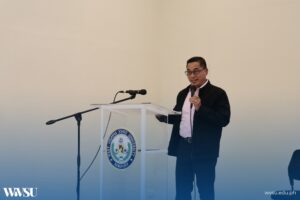
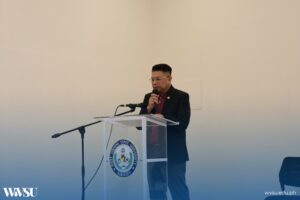
    In his opening remarks, Dr. Joselito F. Villaruz, President of WVSU, welcomed participants and guests, emphasizing the university’s commitment to volunteerism as a cornerstone of community development. He highlighted how such initiatives align with WVSU’s mission to nurture socially responsible individuals who contribute meaningfully to society.

    Ms. Edel Carmela Subong-Csoka, Director of ILLO, echoed this sentiment, emphasizing the broader impact of volunteerism on peace and sustainability. “Let’s take this opportunity to reflect on the positive impact of volunteerism, strengthen our commitment to serving others, and inspire one another to continue contributing to the well-being of our society. Together, we can build a better, more compassionate future,” she said, inspiring the audience to embrace service as a way of life.

    Sharing Stories of Service

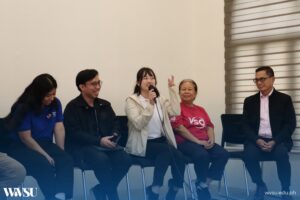
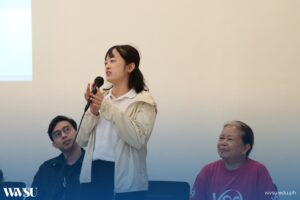
    A key feature of the event was a forum where international and local volunteers shared their experiences, providing diverse perspectives on the transformative power of volunteerism:

    Mr. Sakamoto Hideki, a Japan Overseas Cooperation Volunteer assigned to LGU Kalibo, discussed his work in community development, emphasizing the importance of cultural exchange in fostering sustainable growth.

    Ms. Kamehama Chihiro, also from the Japan Overseas Cooperation Volunteers, shared her experiences in municipality of Oton, where she focuses on youth engagement and education.

    Ms. Chloe Mitchell, Mr. Patrick Brown, Ms. Crystal Garcia, and Mr. Neil delos Trinos, all from the United States Peace Corps, shared stories of their work in rural communities, highlighting initiatives in education, health, and environmental conservation.

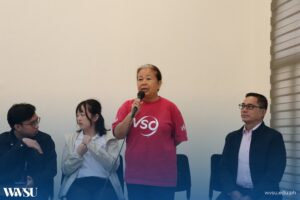
    Ms. Maria Ramona Moleño from Voluntary Service Overseas (VSO) stressed the importance of capacity-building and empowering local communities to become self-reliant.

    Prof. Ruben Gamala, a professor from UP Visayas, provided an academic perspective on volunteerism as a tool for social innovation and resilience.

    Mr. Franz Remar Garion, Information Officer II of the Philippine Information Agency, underscored the role of media in promoting volunteer efforts and encouraging community participation.

    Empowering a Community of Volunteers

    The forum highlighted the diverse ways volunteerism can address societal challenges and foster global connections. Through personal stories and insights, the speakers emphasized that volunteerism is not just about giving time but about creating meaningful relationships and empowering communities to thrive.

    The event also saw the active participation of CAF Emergency Response Team (ERT) volunteers, who demonstrated their readiness to serve in times of crisis and emphasized the importance of disaster preparedness and community resilience.

    Furthermore, this event is part of a simultaneous nationwide celebration of International Volunteerism Month, with universities and organizations across the Philippines hosting similar activities to promote the spirit of volunteerism.

    As WVSU continues its celebration of International Volunteerism Month, it reinforces its role as a leader in promoting global citizenship and social responsibility, inspiring its community to actively engage in volunteer work both locally and internationally.

  • From Mangrove Forests, Seagrass Meadows to Coral Reefs: Charting Biodiversity One Quadrat at a time in the Heart of Concepcion’s Coastal Ecosystems

    From Mangrove Forests, Seagrass Meadows to Coral Reefs: Charting Biodiversity One Quadrat at a time in the Heart of Concepcion’s Coastal Ecosystems

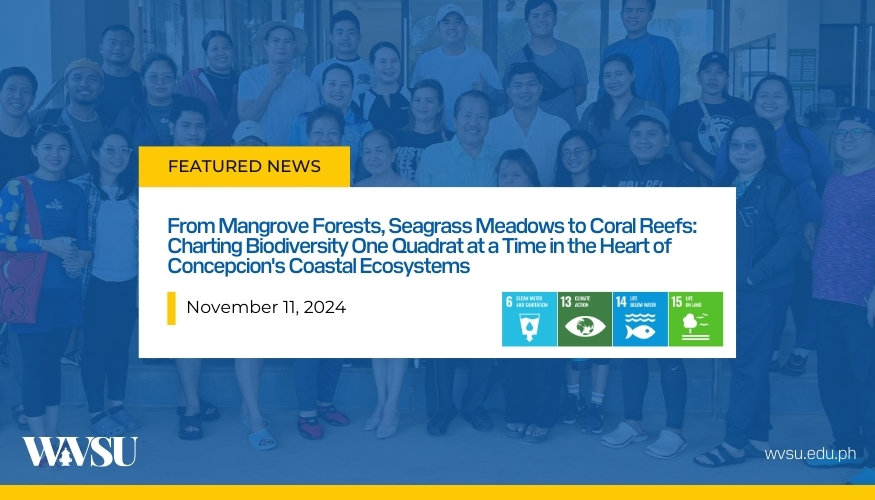
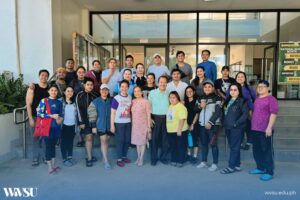
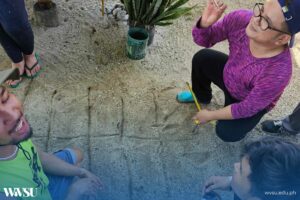
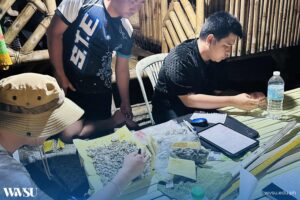
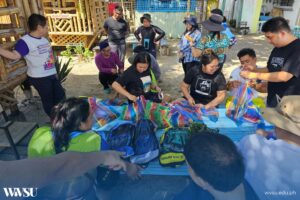
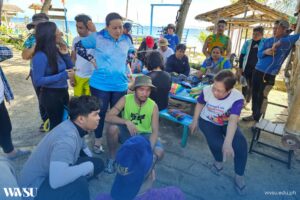
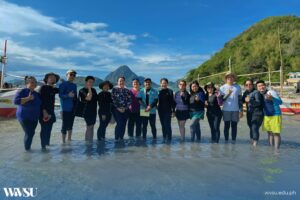
    Ph.D. Science Education major in Biology students from West Visayas State University-La Paz conducted an extensive three-part field study focused on assessing the health and biodiversity of mangrove, seagrass, and coral ecosystems in the Municipality of Concepcion, Iloilo, on Nov. 3-4, 2024. This activity is part of their course, SCI 629: Advanced Marine Ecology, under the guidance of Dr. Josette T. Biyo.

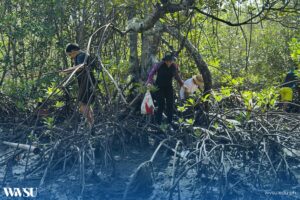
    The first part of the study, titled “Assessment of Mangrove Community Structure in Two Study Areas of Concepcion, Iloilo, Philippines,” aimed to describe and compare the ecological framework of two distinct sites: Brgy. Bacjawan Sur and Sitio Pasil, Brgy. Malangabang coastal areas. The research team collected data on species composition, species density, regeneration rates, ambient parameters, cohabiting organisms, and human impacts in these areas.

    The second part, “Community Structure of the Seagrass Ecosystem in the Intertidal Zones of Concepcion, Iloilo,” explored the ecological characteristics of seagrass beds in the same sites by measuring parameters such as species composition, species density, biomass, presence of epiphytes, and human-induced disturbances.

    Finally, the third part, “Biodiversity Assessment of Coral Reefs Regenerated a Decade After Typhoon Yolanda Destruction at Malangabang, Concepcion, Iloilo, Philippines,” evaluated coral regeneration in terms of hard and soft coral composition, recruitment, percent cover, and the health of the coral reef ecosystem, considering both keystone and harmful species, as well as economically valuable invertebrates.

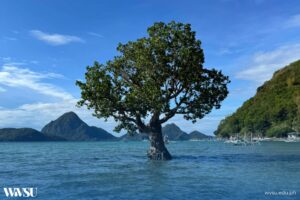
    In the first activity, participants used the quadrat sampling method (10 m x 10 m) in five sampling sites to obtain a representative ecological survey of mangrove biodiversity in the study sites. The findings indicated greater diversity of mangrove species in Sitio Pasil, Brgy. Malangabang, an island setting, compared to Brgy. Bacjawan Sur on the mainland. Prominent species included Rhizophora apiculata, Avicennia marina, and Sonneratia alba. Other notable organisms observed in the mangrove area included periwinkle snails, hermit crabs, fire ants, egrets, and ruddy turnstones. The contrast in species density and regeneration between the two sites provides insights into the differing ecological pressures and conditions on the island versus the mainland, informing conservation strategies for each habitat.

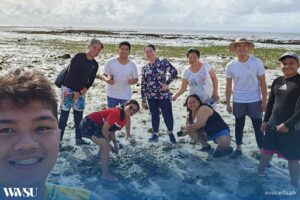
    In the second activity, researchers employed the random core sampling technique with a total of 25 replicates to assess seagrass ecosystems. The results revealed that Brgy. Malangabang had richer seagrass biodiversity, with species such as Enhalus acoroides, Halodule uninervis, and Halophila ovalis thriving in the intertidal zones, while only Enhalus acoroides was present in Brgy. Bacjawan Sur. The significant variation in species composition and density between the two sites emphasizes the need for localized management efforts that account for site-specific ecological dynamics, especially given the environmental pressures that can impact the resilience of these vital ecosystems.

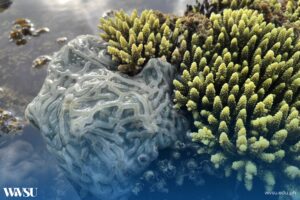
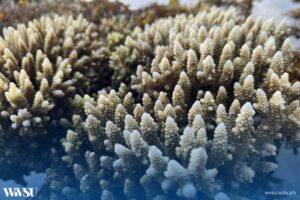
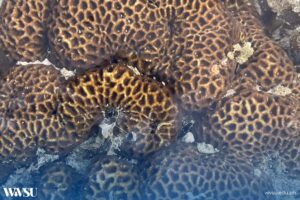
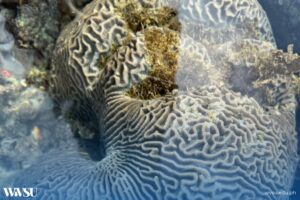
    The third activity employed quadrat sampling (1 m x 1 m) along a 50 m transect line in five locations to analyze coral reef biodiversity. Data indicated that the coral reefs in Sitio Malangabang support an abundant variety of species, including Brain coral (Leptoria), Moon coral (Acanthastrea), Staghorn coral (Acropora), Plate coral (Montipora capricornis), Green horn coral (Hydnophora), and Leather coral (Sarcophyton). The presence of corallivores like Drupella snails and sea urchins (Diadema setosum), which can damage reef structures, highlights the challenges these reefs face as they recover from the impacts of Typhoon Yolanda. During the study, participants also interviewed locals to better understand human activities that affect these ecosystems. Key disturbances included aquaculture, agriculture, conversion of mangrove forests into residential land, wastewater discharge, and plastic pollution.

    This field study underscores the delicate balance of these coastal ecosystems and the pressing need for effective conservation strategies. With increasing anthropogenic pressures, sustainable management and community engagement are critical to preserving the biodiversity and ecological functions of mangroves, seagrasses, and coral reefs in Concepcion, Iloilo. The findings call for collaborative action among local stakeholders, conservationists, and policymakers to protect these ecosystems, which are invaluable to both biodiversity and the livelihood of coastal communities.

    The researchers would like to express their heartfelt gratitude to everyone who contributed to the success of their field study. They sincerely appreciate the warm welcome and support extended by Mayor Milliard Villanueva. They also wish to acknowledge Mr. Mark Rufino, CRMO-DA, and Ms. Je Johann Velasco, DA representative, for their invaluable cooperation.

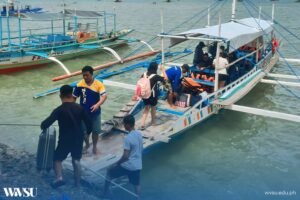
     Finally, the class extends their deepest thanks to the people of Brgy. Malangabang for their kindness and generosity. Your efforts made this study possible, and we are truly appreciative of all your contributions. | Text by Patrick John M. Paniza, student of Doctor of Philosophy in Science Education (Biology), WVSU College of Education Graduate School| Photos by Jayson I. Gula, Joven J. Loja, JM Abilo, and Angilleca C. Tolones
  • Presidential Proclamation No. 728

    Presidential Proclamation No. 728

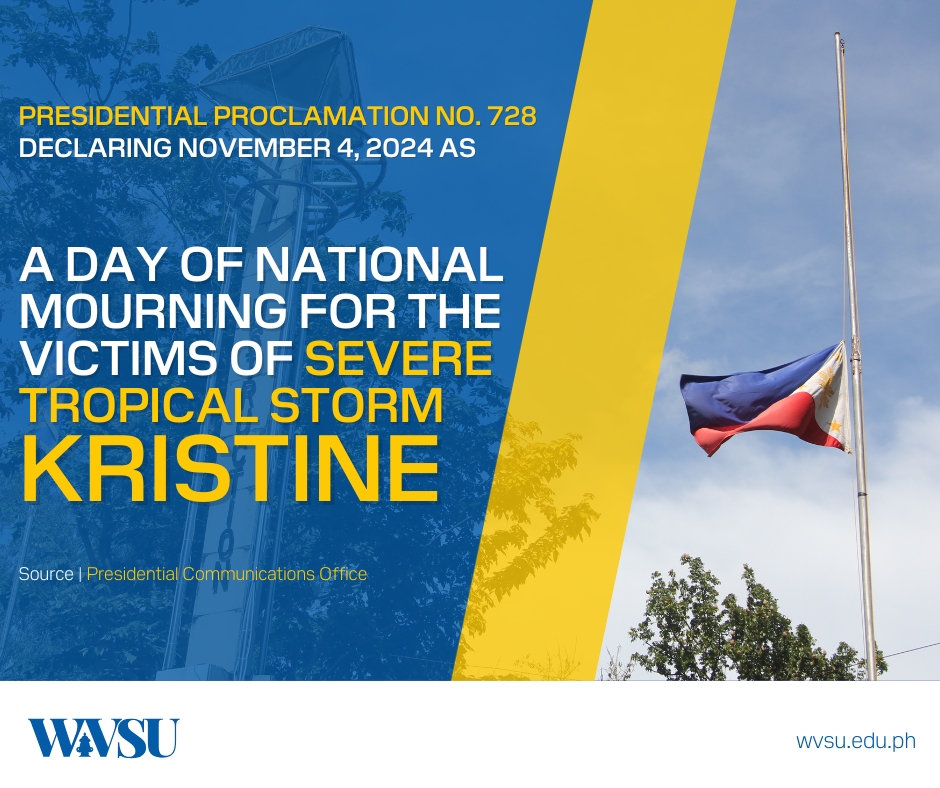
    The Philippine National Flag is flown half-mast at West Visayas State University in observance of Presidential Proclamation No. 728, declaring today, November 4, 2024, as a Day of National Mourning for the victims of Severe Tropical Storm Kristine. Earlier today, the College of Education spearheaded the flag raising ceremony wherein the attendees were asked to pause for a moment of silence and to offer their prayers and sympathies for the storm victims and their families. Dr. Peter Ernie Paris, Vice President for Administration and Finance, also encouraged the administrative personnel to facilitate and mobilize relief assistance initiatives for the storm victims. According to the National Disaster Risk Reduction and Management Council report released last October 30, Severe Tropical Storm Kristine left a death toll of 145 and has affected over 7 million Filipinos nationwide.
  • WVSU’s Pag-iririmaw Sizzles Amid a Downpour, Students Unfazed by Typhoon

    By: Joseph Nebres 

    West Visayas State University held its first-ever face-to-face University Pag-iririmaw since the outbreak of the COVID-19 Pandemic.

    After two consecutive years of distance/online learning, the empty campus was once again filled with lively spectacle and roaring spirits as the students participated in this year’s university Pag-iririmaw, with the theme “Stars and Amusement: This is the Greatest Show.”

    The heavy downpour from Typhoon Paeng didn’t stop the enthusiastic students from representing their college in a colorful parade. Performers danced to lively drum beats amid loud cheers from fellow students as college banners waved under the rain.

    WVSU President Dr. Joselito F. Villaruz graced the opening of this year’s University Pag-Iririmaw with a welcome remark and explained the significance of the university transitioning back to its pre-pandemic traditions.

    “We can rebuild this world together, standing strong forever; nothing will stop us now. No amount of rain can ever ruin our spirits,” said Dr. Villaruz. Let us enjoy this moment. We are all invincible and strong. We were bruised. We are brave. We are who we are meant to be. This is us. Welcome to the greatest show at West Visayas State University!”

    The crowd’s energy only grew more intense as the downpour became heavier. Soaked in the rain, stained with mud, and exposed to chilling weather, performers and students brought the sun out with enthusiasm and camaraderie.

    Typhoon Paeng was no match for WVSU’s greatest show.

    The University Pag-iririmaw was cut short when Mayor Jerry Treñas declared the cancellation of classes at all levels due to the severe weather conditions. The University Student Council (USC) rescheduled the event’s second leg on November 4, 2022.